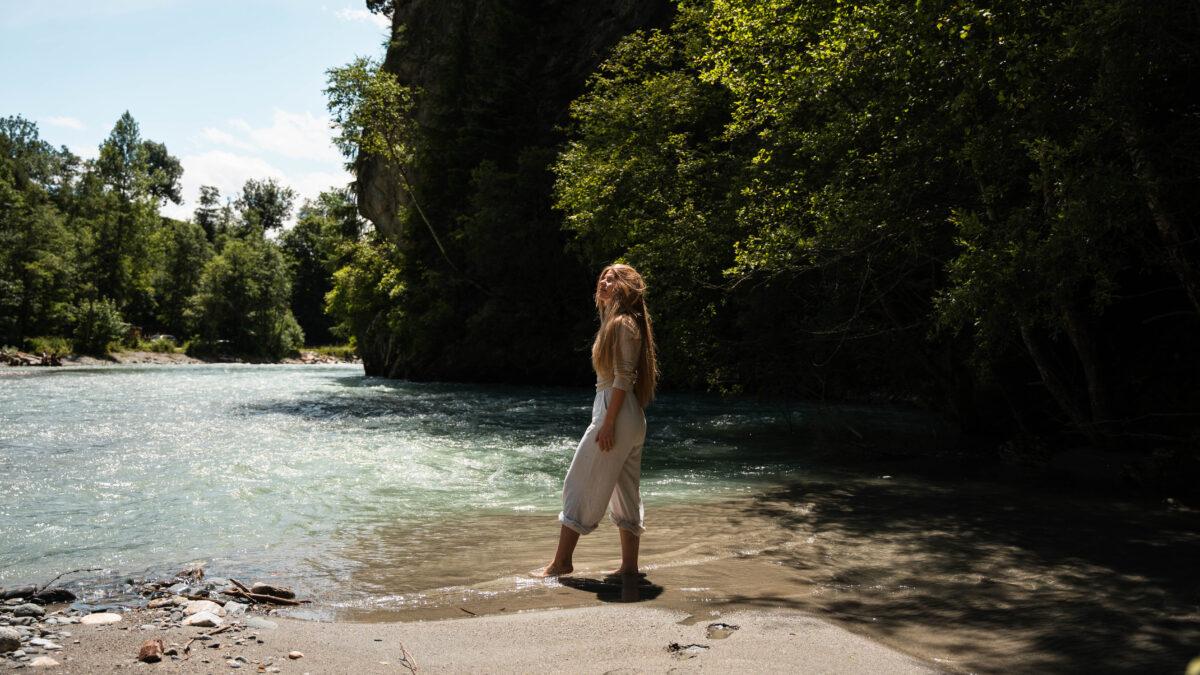
When you think of a vacation by the water, does the ocean come to mind first? No wonder—about 71% of the Earth’s surface is covered in water, and over 97% of that is saltwater. That’s more than enough reason for us to take a closer look at vacations by lakes or rivers. In this article, we’ll introduce you to some of the most beautiful lake and river landscapes in Germany, Austria, and Italy—from the Alps to the Ligurian coast.
Why Freshwater Is So Important
Only about 2.5 percent of the water on Earth is fresh. Most of it is stored in glaciers, ice sheets, and groundwater. Lakes and rivers only account for a tiny fraction of this (less than 1%). Nevertheless, rivers and lakes are home to a significant portion of the world’s biodiversity and provide drinking water for people and animals. Unfortunately, they are under threat in many places.
Dams, river straightening, pollution, and climate change are altering freshwater ecosystems worldwide. Since the Industrial Revolution, fish communities have changed significantly in more than half of the studied river systems. Specialized species are becoming increasingly rare.
Climate change adds to this issue: Rising temperatures are altering the water cycle. Glaciers are losing mass, periods of low water are becoming more frequent, and water temperatures in many lakes are rising. These changes are taking a toll on plants and animals, and in some cases are leading to “tipping” lakes in the summer, algal blooms, and oxygen-depleted “dead zones.”
It is all the more important, then, that we pay closer attention to the world’s freshwater bodies. Since we tend to protect what we know best, spending time near a river or lake is an ideal way to raise our awareness of these issues.
Vacations by Fresh Water: The Most Beautiful Lakes and Rivers in Germany, Austria, and Italy
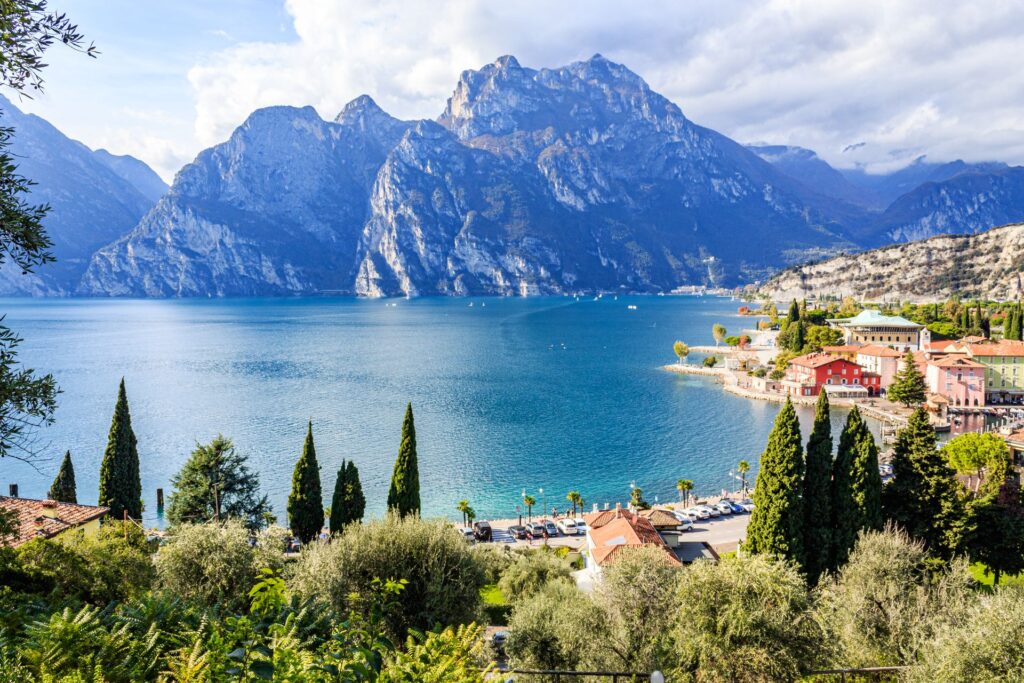
Many rivers in Germany, Austria, and northern Italy originate in the Alps. Snow and glaciers store water during the winter, releasing it during the spring and summer. This water feeds streams, rivers, and lakes.
The Most Important Lakes and Rivers Between the Alps and the Adriatic Sea
If you want to explore the landscape between southern Germany and Liguria, you should familiarize yourself with the following bodies of water. (You’ve probably heard of them all, but in case you forgot what you learned in geography class, here’s a quick refresher 🙂 )
The most significant rivers include the Rhine, which flows through Lake Constance to the North Sea; the Danube, Europe’s second longest river; the Inn, which flows through the Alpine regions of Austria and Germany; and the Adige, which shapes much of South Tyrol. The Isel in East Tyrol is a special feature, as it is considered the longest free-flowing glacial river in the Alps.
The lake landscape is also diverse. Lake Constance, for example, connects Germany, Austria, and Switzerland, and it supplies millions of people with drinking water. Lake Königssee is one of Germany’s most famous mountain lakes, and Lake Garda, Italy’s largest lake, has attracted vacationers for decades. Additionally, there are numerous smaller natural and mountain lakes that are often just as charming as the well-known classics.
Free-flowing rivers have become a rarity
Today, free-flowing rivers are the exception worldwide. According to WWF, only about one-third of the world’s major rivers still flow largely unimpeded. Most of these rivers are located in sparsely populated regions, such as the Arctic, the Amazon Basin, and the Congo Basin.
In Europe, hardly any free-flowing rivers remain. Over the decades, waterways have been straightened and altered by weirs or dams for shipping, flood control, energy production, and agricultural use. According to the WWF, an average of 83% of freshwater populations have been lost over the past 50 years. Habitats and floodplains have disappeared. An international water conservation initiative is now working to reverse these interventions (e.g., by dismantling dams). However, as you can imagine, this isn’t easy.
The Isel is considered the longest free-flowing glacial river in the Alps. We’ll tell you more about it below. First, though, let’s turn to lakes, which are classic swimming destinations.
In the Heart of the Franconian Lake District
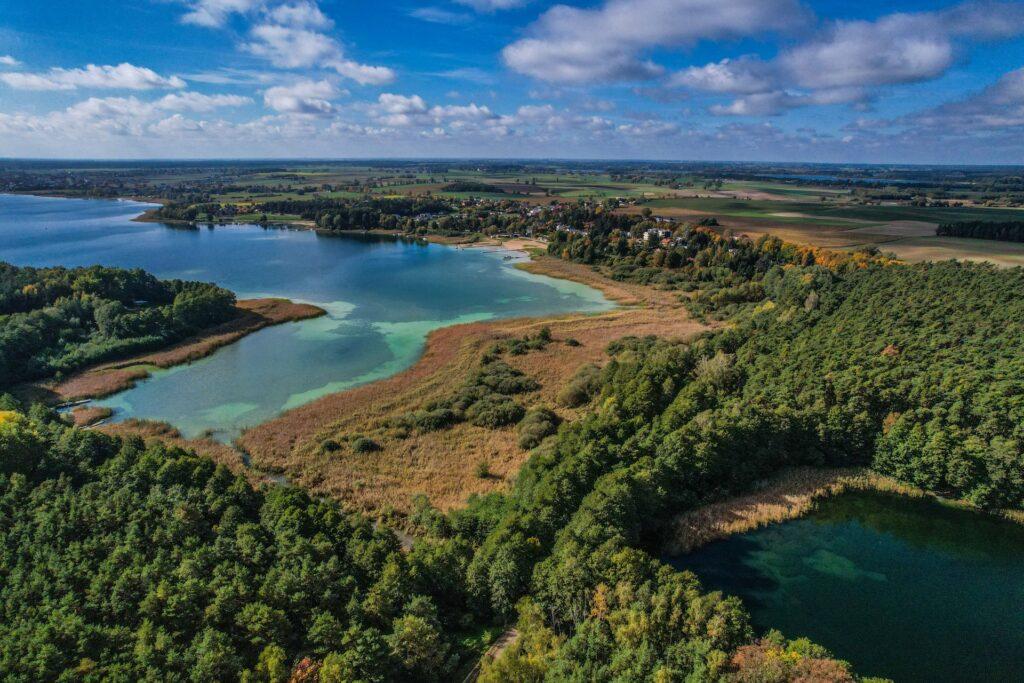
Not ready to commit to just one lake? Then check out the Franconian Lake District! It has seven lakes of varying sizes that offer different activities. There’s a designated nudist area, dog-friendly beaches, and fishing opportunities at some of the lakes. The 146-kilometer Seenländer Hiking Trail circles all seven lakes, so an active vacation is guaranteed.
The Hotel Luise is a great place to start your lake adventure. Near the hotel is the Dechsendorfer Weiher, for example. There are beautiful hiking and biking trails around the lake, and you can rent boats and go stand-up paddleboarding.
Königssee and the Berchtesgaden Alps
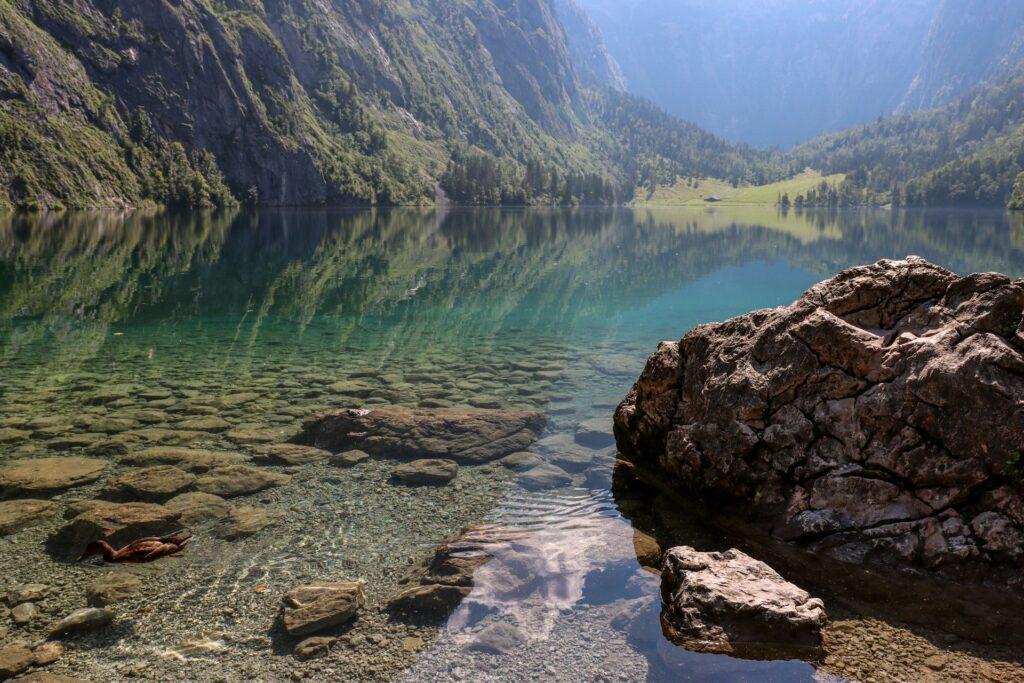
Game of Thrones fans will surely be fascinated by the legend surrounding our next lake: Königssee in Bavaria.
The lake itself gives no hint of the bloody legend, however. Instead, it is the epitome of a beautiful, idyllic mountain lake. Considered one of the cleanest and most beautiful lakes in Germany. Nestled between the steep rock faces of the Watzmann, including the infamous Watzmann East Face, the lake stretches eight kilometers long.
Due to its unique location between imposing cliffs and a 2,100-meter vertical drop between the emerald-green water’s surface and the South and Middle Peaks of the Watzmann, the lake is often described as fjord-like.
About a 25-minute drive away lies the Klosterhof – Alpine Hideaway & Spa in Bayerisch Gmain. From there, you can take day trips to Königssee and go hiking in the Berchtesgaden mountains. Afterward, the wellness and health hotel, with its 1,500-square-meter spa area, offers a place to relax after an adventurous day at the lake.
Lake Constance: Between Apple Orchards and Alpine Views
With an area of about 536 square kilometers, Lake Constance is one of the largest lakes in Central Europe and is particularly popular for water sports
About 14 kilometers from the shore lies the Naturresort Gerbehof, nestled between forests and apple orchards. From here, you can combine trips to Lake Constance with hikes and bike rides through the surrounding countryside.
Vacation right on Lake Wolfsgruben in South Tyrol
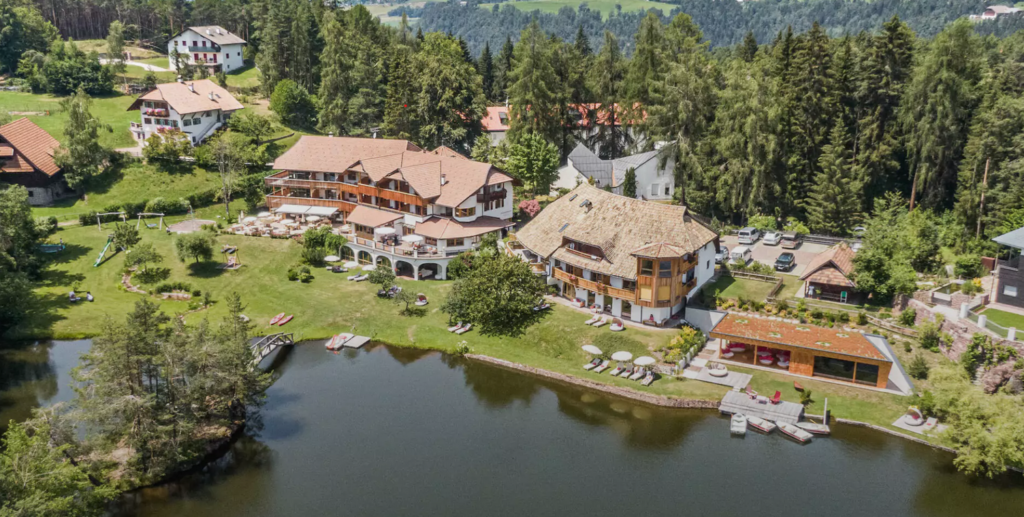
Lake Wolfsgruben, located in the Ritten region of South Tyrol, lies at an elevation of 1,176 meters and is one of the area’s most popular swimming lakes. Its water quality is regularly tested and has received excellent ratings in recent years, making it one of the cleanest swimming lakes in Italy.
Right on its shore lies Hotel Weihrerhof. The lake defines not only the hotel’s location, but also inspires the “BergSea” cosmetics line, which uses ingredients derived from the lake water. With this line, you can bring a piece of your lake experience home with you.🙂
Hidden Natural Lakes in Liguria

A secluded, hidden natural lake surrounded by nature offers shade, tranquility, and clear water. Does that sound appealing? Then head to Relais del Maro in Italy!
There are several lakes near the Albergo Diffuso. The Borgomaro Lakes are an easy five-minute walk from the Relais del Maro on the main road toward Maro Castello. The first lake, Lake Madonna, is located directly below the road near the pharmacy. Lake Mühl, on the other hand, is at the end of the village, right below the “Laghetti” sign. From there, just head toward the river.
Water-themed Vacations for Families
A great bonus for families with young children: These two lakes have natural slides, offering a unique thrill for the bravest among you!
Another must-see is Lake Lecchiore. A word of warning: You can’t reach this lake by car. Instead, park in the church square in Lecchiore or at the intersection with the Madonna dell’Acqua Santa pilgrimage church. From there, continue along the paved road into the forest. At the end of the path is a little paradise with several waterfalls and fresh, clear water.
- Bonus info for Game of Thrones fans (like me): Emilia Clarke, who plays Daenerys, likes to spend her summer vacation very close by! Specifically, at the Rio Carne in Pigna, in the Nervia Valley.
Vacation by a River
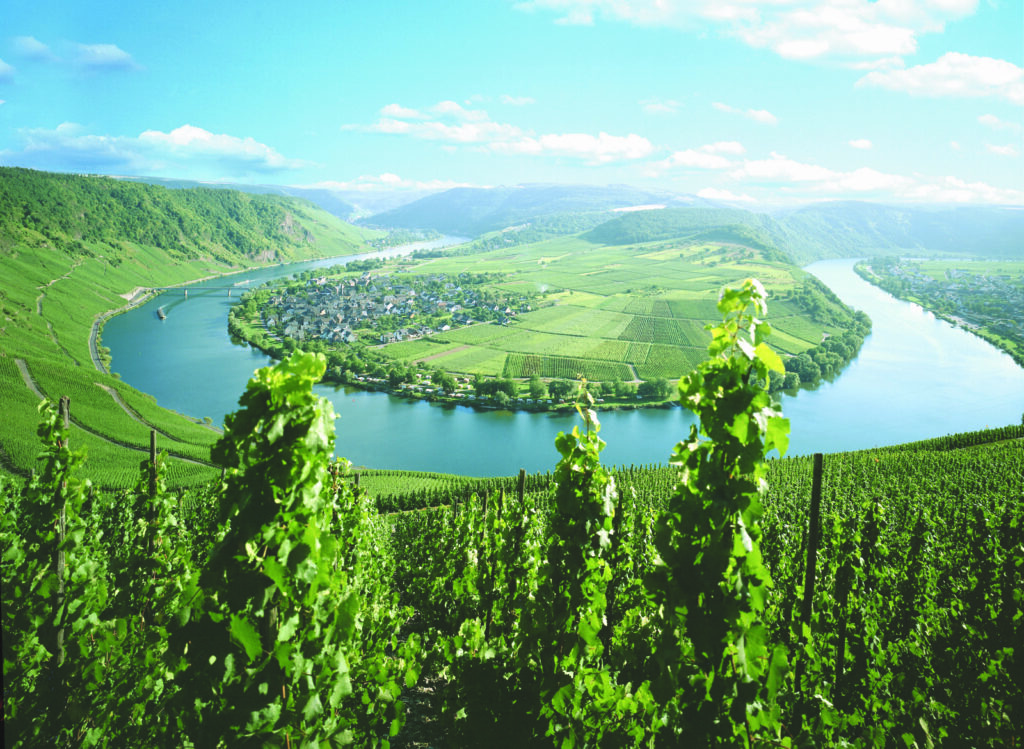
Now let’s turn to flowing bodies of water. As mentioned earlier, rivers aren’t the typical places for swimming, but they’re particularly well-suited as backdrops for hikes and bike rides, as well as for river cruises and other fun activities.
Vacation in the picturesque Moselle region
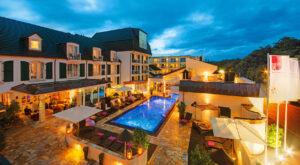
Let’s start with one of Germany’s most beautiful rivers, the Moselle. Bernkastel-Kues, located right on the Castle and Wine Routes, is also known as the “Pearl of the Middle Moselle.” Here, you can enjoy a wellness vacation at the Lifestyle Resort Zum Kurfürsten alongside wine tastings and a journey through time.
The historic Bernkastel market square is a prime example of the region’s beautiful architecture. It reflects the town’s 700-year history and offers a glimpse of the splendor and warmth the square exuded in the Middle Ages.

Bike Rides Along a River
We’re heading away from the Moselle and off toward the mountains. More specifically, to the South Tyrolean Alps. There, you’ll find Italy’s first vegan hotel, the La Vimea. The hotel is the perfect starting point for Alps excursions and is located right on Italy’s second-longest river, the Adige.
Whether you want to hike, bike, or simply enjoy the beautiful Alpine scenery, the Adige River flows past vineyards and forests, framed by towering peaks, all the way to Porto Fossone, where it empties into the Adriatic Sea.

Water sports on the Inn River
Just a 1.5-hour drive past the Austrian border from LA VIMEA lie the charming log cabins of Summit Lodges. And the Inn River flows through Pfunds. There, you can enjoy one of the many rafting and canyoning activities.
Pfundser Tschey is also a worthwhile destination. This high valley lies at an elevation of 1,650 meters. Thanks to its unspoiled natural beauty, the Tschey is one of the region’s most scenic attractions.
Along the Isel
On the other side of Tyrol is the Naturhotel Outside. Surrounded by towering peaks, it’s the perfect place to hike along the Isel—the longest free-flowing glacial river in the Alps.
The Isel Trail winds from the sunny Dolomite town of Lienz on the green valley floor to the Glacier Gate in the Hohe Tauern National Park, which resembles the Arctic. Along the way, the magnificent mountain world lies at your feet. And after a strenuous hike, you can pamper yourself with delicious cuisine and wellness treatments at the Naturhotel Outside.

So, what’s the difference between swimming in a lake and a river?
If you’re planning a vacation by a lake or river, you’re probably wondering: Can you swim in it? Lakes are often considered classic swimming spots. Many of them are regularly tested for water quality. Rivers, on the other hand, are constantly in motion. While this ensures better water circulation, currents, water levels, and boat traffic can also make swimming more challenging and dangerous, especially if you’re unfamiliar with the body of water.
Before taking the plunge, you should always check the conditions again.
Conclusion
A vacation by freshwater, whether a large pre-Alpine lake, a hidden natural lake, or a free-flowing Alpine river, opens up new perspectives on an indispensable resource for people and nature. As you consciously experience lakes and rivers, you’ll discover impressive landscapes and the interconnectedness of ecosystems that we all depend on.
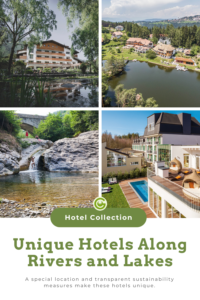


The Isel being one of Europe’s last free-flowing rivers is a powerful reminder that freshwater destinations are valuable not just for recreation, but for protecting living ecosystems. I appreciate the focus on lakes and rivers as sustainable alternatives to the usual seaside vacation.