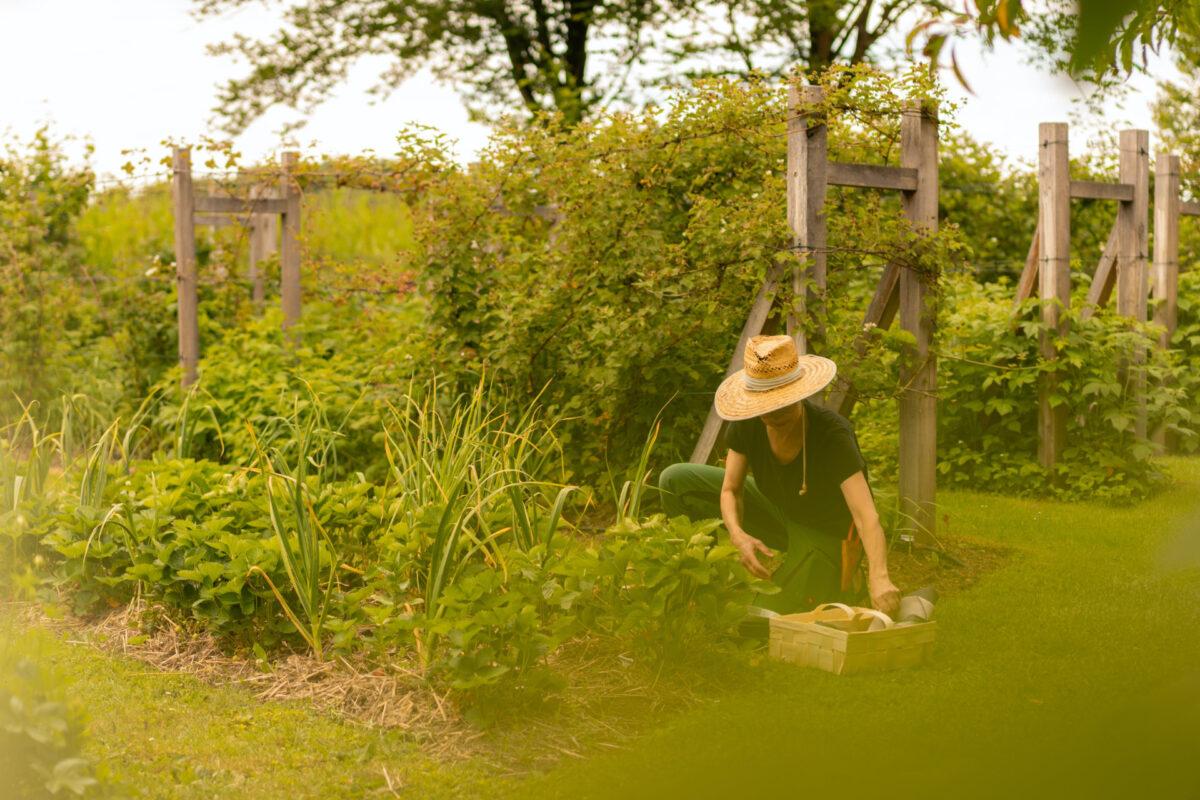
“Farm-to-table” often sounds like a fixed concept. In reality, however, its implementation varies from one establishment to another. Three core principles remain the same, though: direct connections between the farm and the kitchen, a seasonal menu, and traceable ingredients from the farm or field with no intermediaries. We asked various accommodations to describe how they incorporate these principles into their daily operations.
When one’s farm is an extension of the kitchen
At the Organic and Wellness Resort Stanglwirt in Tyrol, the food on your plate may have traveled a surprisingly short distance. The hotel operates its own organic farm and processes many of the products grown there in its in-house kitchen. The farm is home to cows, pigs, chickens, and other animals. During your stay, you can therefore not only enjoy regional products, but also experience the close intertwining of agriculture, cuisine, and hospitality.
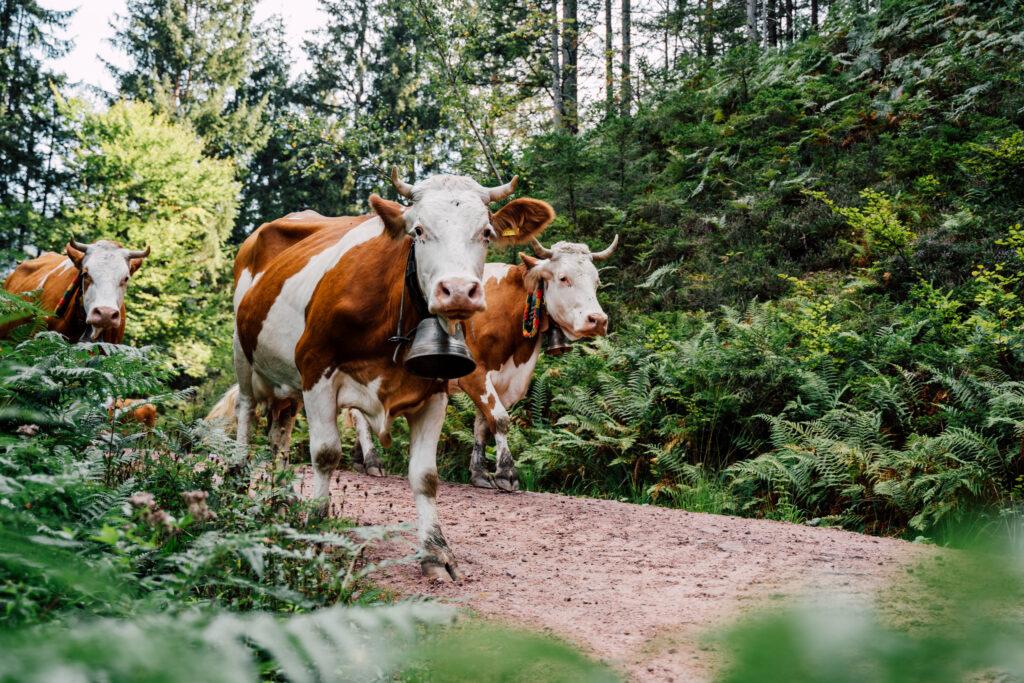
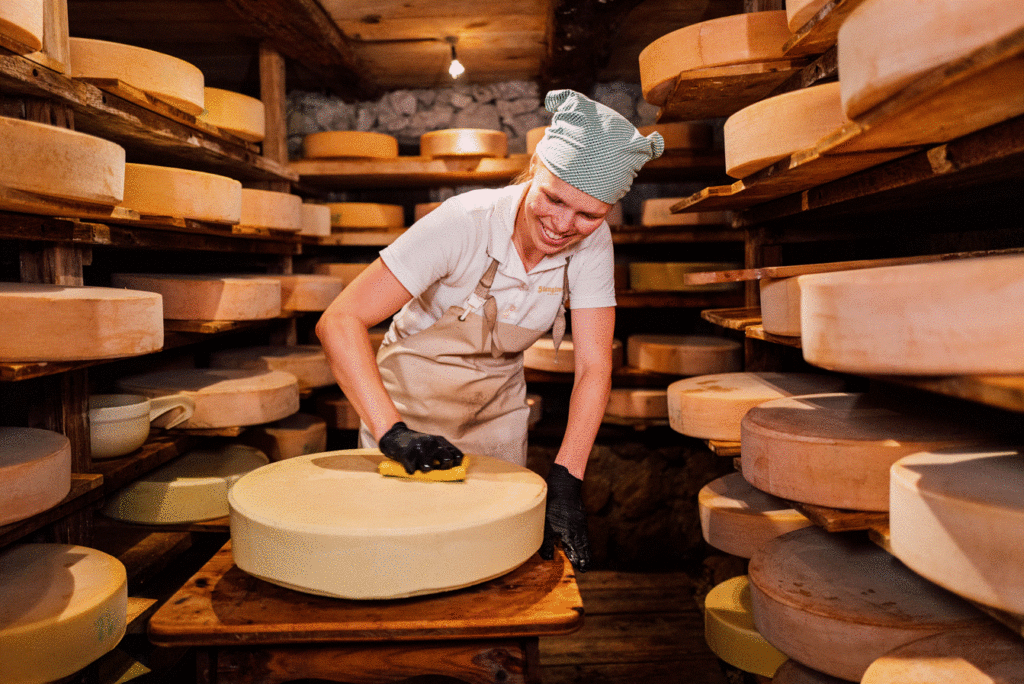
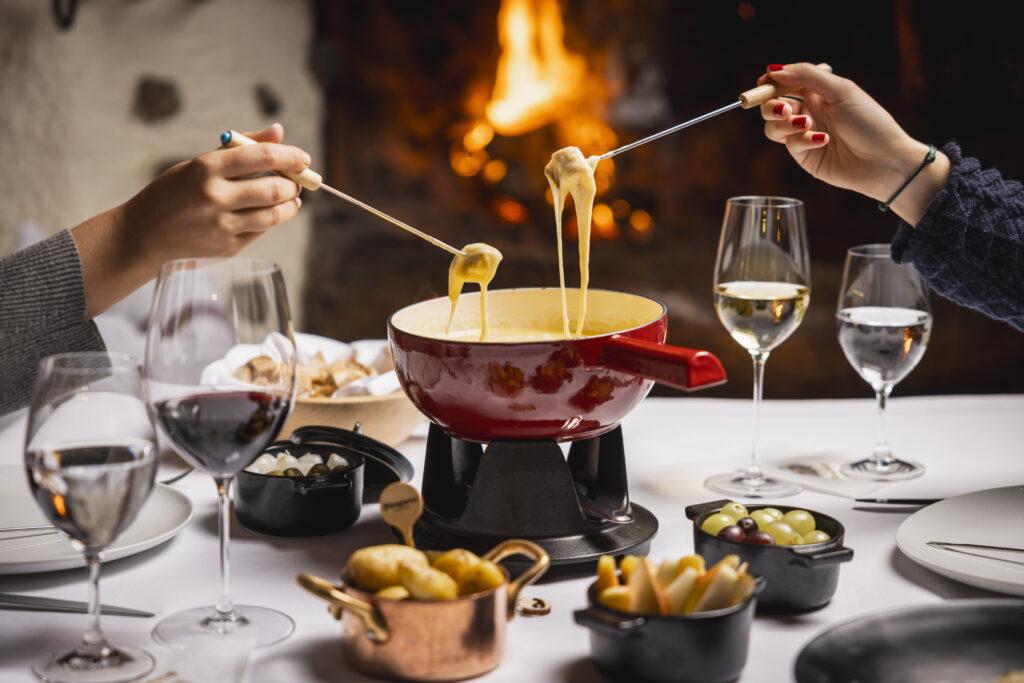
At the My Arbor hotel in South Tyrol, many of the ingredients also come from the property’s own production. The homemade olive oil, for instance, comes from the hotel’s olive trees, and more than 300 free-range chickens provide fresh eggs for breakfast daily. Additionally, a 20-hectare farm in Albisano on Lake Garda grows various fruits and vegetables. The harvest is delivered directly to the hotel, where it is used to prepare seasonal dishes.

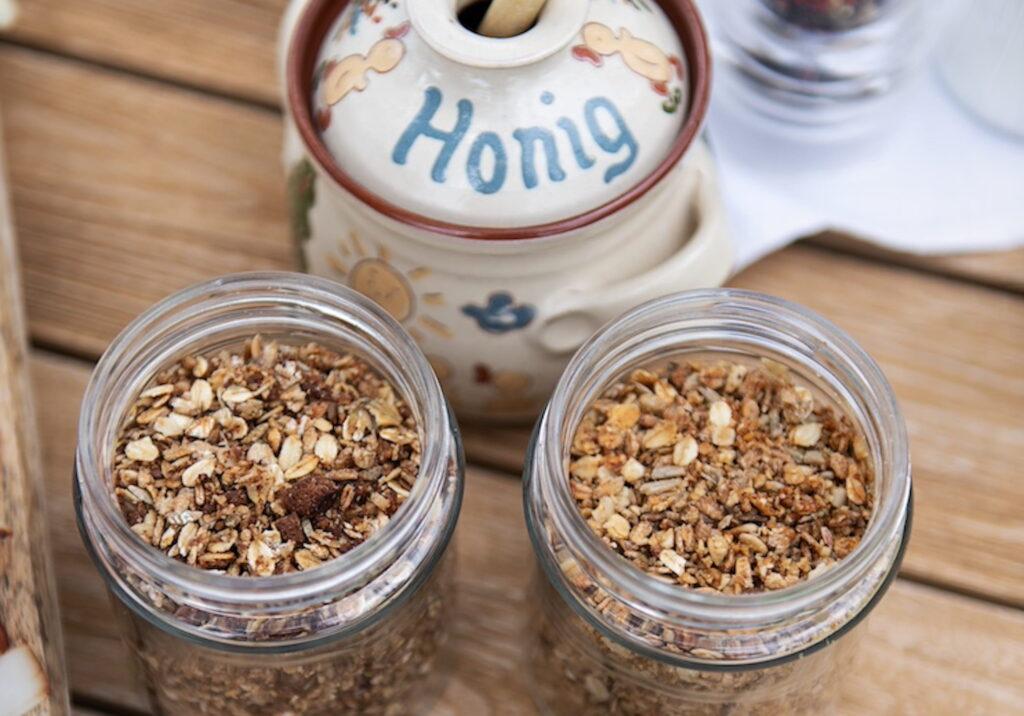
What’s harvested from the garden in the morning may be on the menu at Schloss Lerchenhof in Carinthia just a few hours later. From May through October, the castle garden’s morning harvest determines what’s served for lunch and dinner. This principle holds true even in the winter, when the restaurant supplements its own harvest with produce from select regional suppliers. When it comes to meat, the restaurant adheres to the “nose-to-tail” philosophy of using every part of the animal. The menu features pork, beef, game, and organic chicken. Complemented by bread, muesli, and cereal made from the estate’s own grains (processed in its own mill), as well as seasonal vegetables, herbs, fruit, nuts, and organic honey. More than 50 regional partner farms supply additional ingredients from the immediate vicinity.
Short distances, personal partnerships


However, as a hotelier, you don’t have to be a farmer to serve regional products. At the Hotel Weihrerhof in Ritten, for example, the eggs come from a neighboring farm, the cheese comes from a local Ritten producer, and the meat and vegetables come from farmers in the surrounding area. For the team, “farm-to-table” is less of a fixed label and more of a way of life: supply chains are short, relationships are personal, and the origin of the food is traceable.
At the Hotel Das Rübezahl in the Allgäu region, you can take a behind-the-scenes look as well. The hotel works with meat sommelier Moser and hunters from Schwangau to create its own bacon specialties, and the beef used in other dishes comes straight from the pasture. If you’d like to know where your meat comes from, you can visit farmer Martin Moser’s farm on an e-bike tour. His farm is about 18 kilometers away. The offerings are rounded out by honey produced on-site.
At the APIPURA hotel rinner, Stefan, a local farmer, delivers freshly harvested fruits and vegetables several times a week. As a result, there’s hardly any need for large stockpiles. Any surplus produce during the season is turned into jam, pickled vegetables, chutneys, or syrup. The hotel and the farmer coordinate planting and harvesting directly with each other. Instead of ordering a set quantity, they order whatever is currently growing in the fields, and the farmer only grows what is actually used in the kitchen.

A winning combination: a local garden and regional partners in South Tyrol
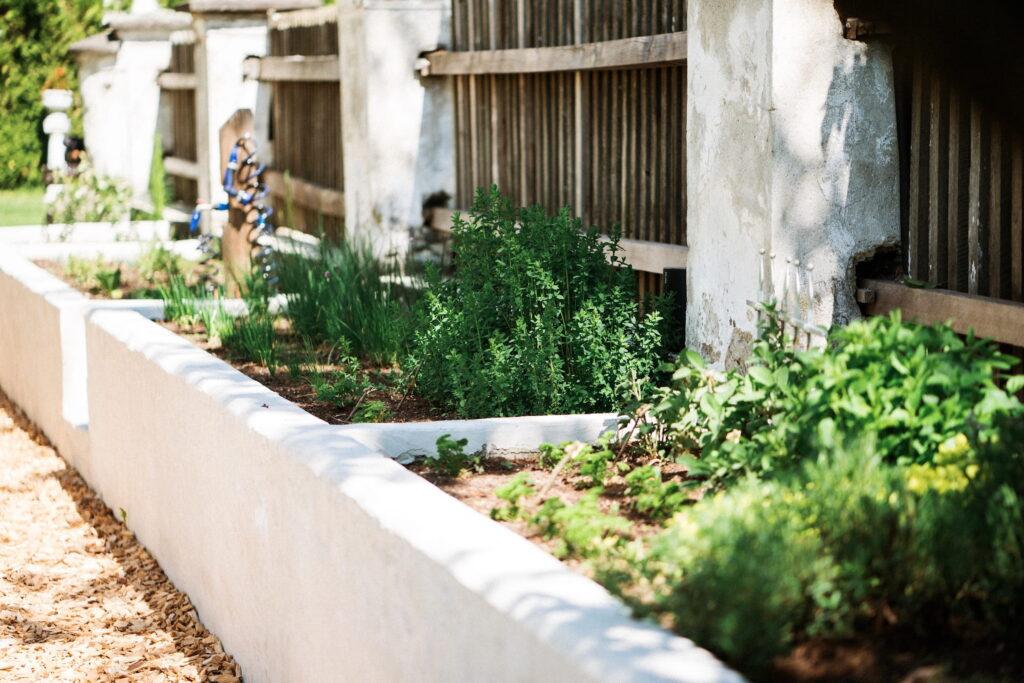
Each of the ADLER Spa Resorts & Lodges has its own unique focus depending on its location. Right next to the ADLER Ritten, there is a vegetable garden with potatoes, vegetables, berries, and herbs. For its six-course “From Farm to Table” menu, the kitchen exclusively uses local ingredients bearing the in-house “ADLER Regional Partner” or “ADLER Homemade” seals.
A vegetable garden in Sicily
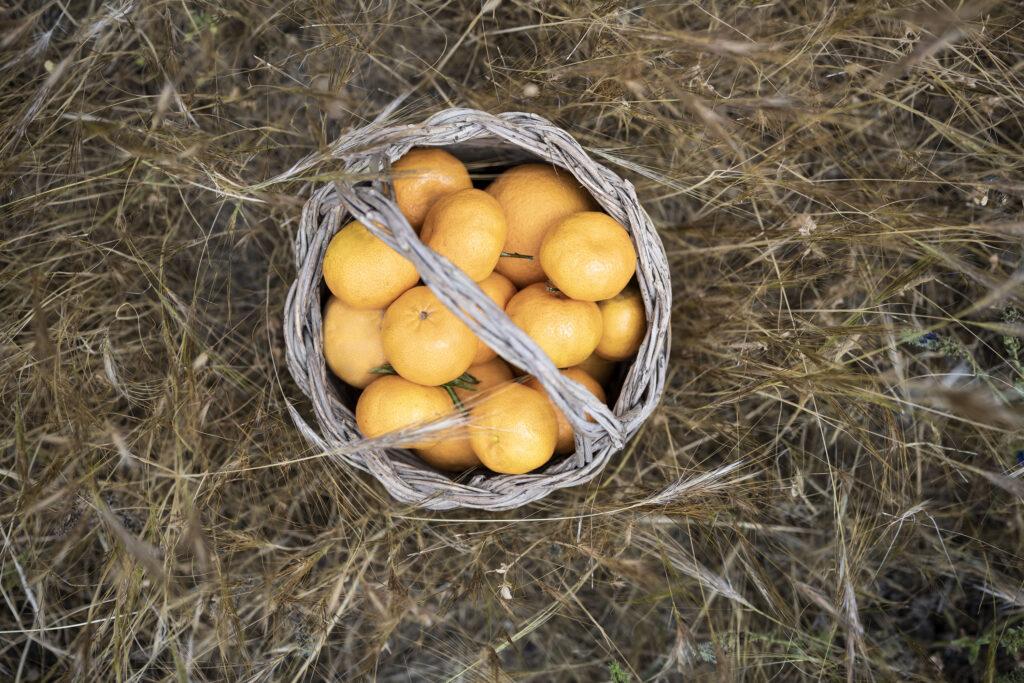
At ADLER Sicilia, it’s called the “Garden of the Seasons” concept. The hotel’s vegetable garden provides the ingredients used in its Mediterranean cuisine. Bread, pasta, and pizza made with regional grains are also prepared on site.
Fresh products delivered straight to your plate in Austria
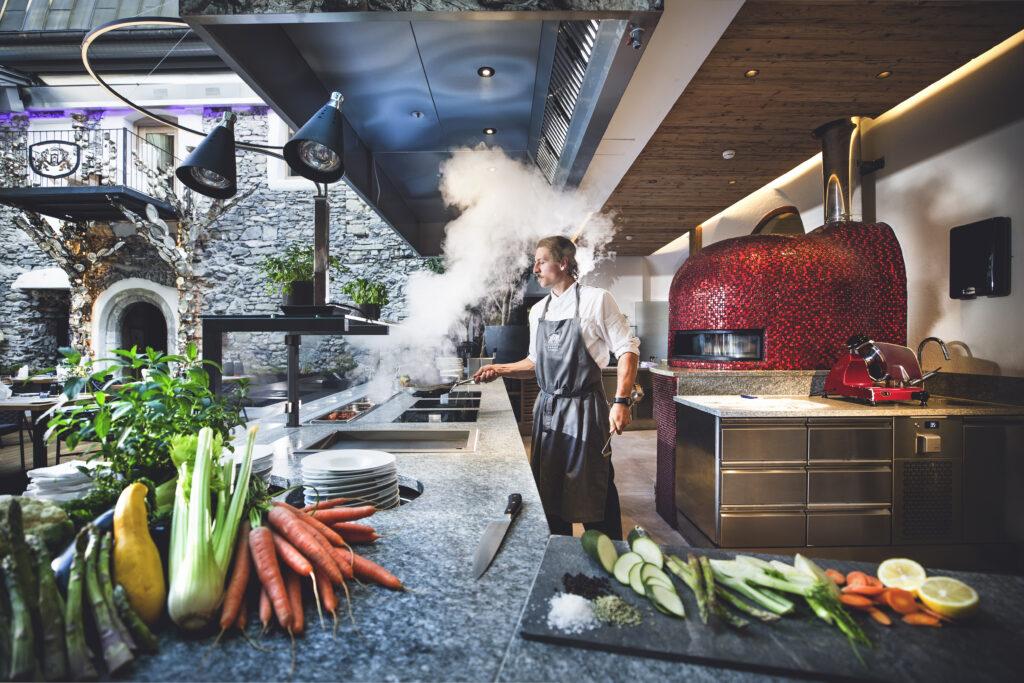
At the Hotel Klosterbräu in Tyrol too, many of the ingredients are grown right on site. The garden produces fruit, vegetables, and herbs, while hops are cultivated on the premises. Other products come from regional, certified organic producers. The hotel’s homegrown purple potatoes and apples from its own farm are particularly popular. Additionally, the hotel is involved in other farming projects and has its own forest. Together, the garden, farm, and kitchen create a culinary experience deeply rooted in the region.
Farm-to-Table around the globe
This principle isn’t limited to the DACH region, of course. In Tenerife, for instance, the OCÉANO Health Spa Hotel creates its menu using ingredients sourced from the surrounding area. Two local farms deliver potatoes, sweet potatoes, pumpkins, mangoes, and bananas several times a week. Most of the meat and fish also come from the Canary Islands. Overall, the distance from the field to the kitchen is less than 50 kilometers.

The culinary experience at the Relais del Maro in Liguria begins right in the hotel garden. It is home to Trombetta zucchini, eggplants, cucumbers, cherries, and blackberries. Plums are made into jam, and the hotel’s own tomatoes are turned into sauce. Olive oil and other olive products come from local mills. The result? A piece of the Ligurian countryside right on your plate.

The concept is now being reintroduced in Peru, step by step, after coming to a standstill during the pandemic. At the Inkaterra Hacienda Urubamba in the Sacred Valley of the Incas, the “Earth to Table” concept was an integral part of the guest experience. Approximately ten hectares of farmland were used to grow crops such as quinoa, corn, potatoes, and medicinal plants. Traditional methods were used to cultivate and harvest them, and guests could even participate in the process. Currently, Peruvian hotels rely on close local partnerships and prioritize the seasonality and local origin of their products. Consequently, the cuisine at Hacienda Urubamba differs from that at Inkaterra La Casona in Cusco or Inkaterra Reserva Amazónica in the rainforest.


When the garden becomes an experience
Some hotel gardens provide more than just ingredients; they also become part of the vacation experience. The snack garden at Hotel SCHWARZWALD PANORAMA is therefore fittingly called the “Species Garden.” In addition to growing berries, herbs, tomatoes, and zucchini, the garden is also home to lizards and a bee colony. Additional habitats are created by insect and bird watering stations, as well as a flower meadow.
As part of the “Origins Walk,” the hotel takes guests on a tour of the neighboring Reiser Organic Farm, which has practiced organic farming for over 30 years. Along the way, there are culinary stops featuring regional products. In other words, you’ll not only be served a meal, but you’ll also learn where the ingredients come from.
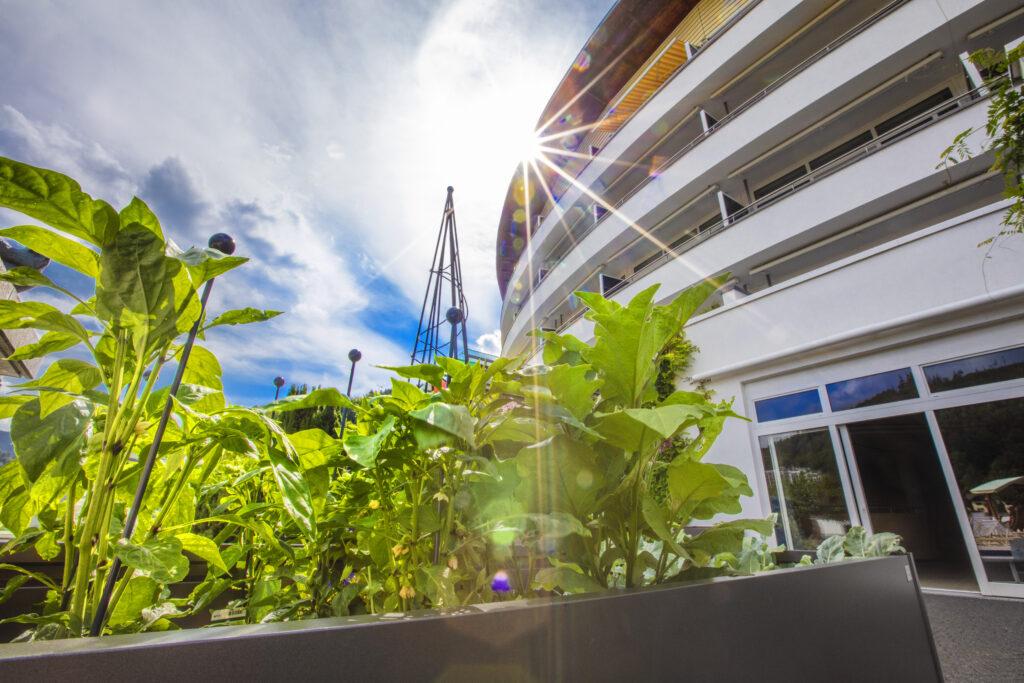
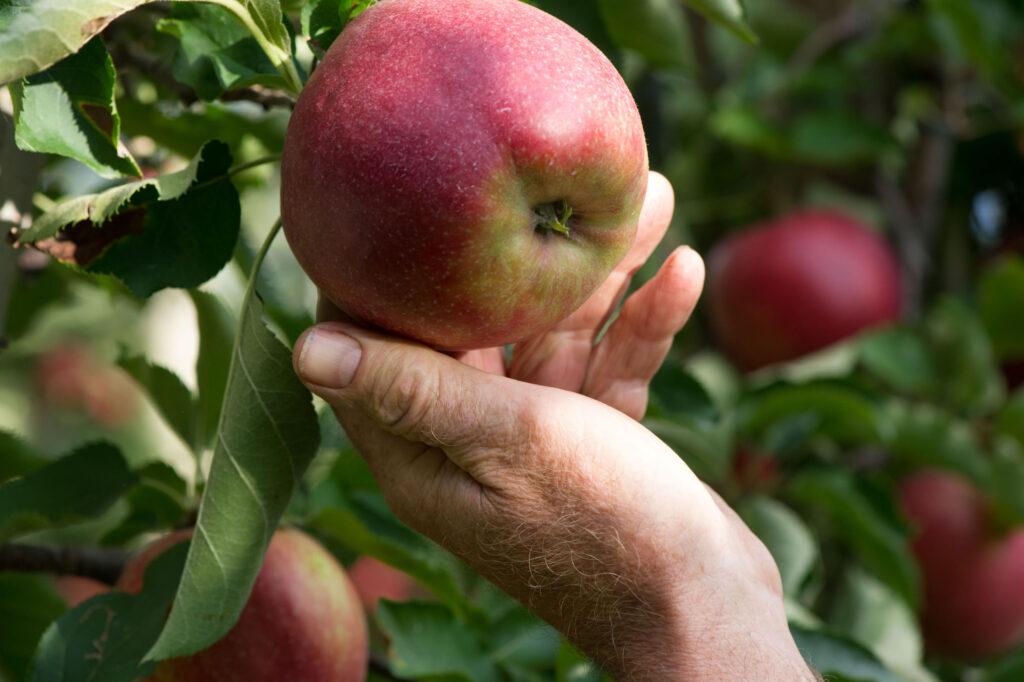
At the Naturresort Gerbehof on Lake Constance, most of the food comes from within a radius of 3-20 kilometers—from organic family farms and social enterprises in the region. The game served is sourced from the resort’s hunting grounds and utilized in its entirety. The resort also grows organic apples on-site and processes them in its own distillery. Wine comes from a young winemaker located nine kilometers awayand the ingredients for lemonade and beer are grown an average of eight kilometers away.
What “farm-to-table” means for you
As shown by the examples from our partner hotels, the farm-to-table concept can take many forms. At one hotel, the milk comes from their barn, at another, the vegetables come from a neighboring farm, and at a third, the herbs for dinner are grown in the garden. The important thing is not the size of the farm but how traceable the food is and how short its journey is from source to plate.
Any more questions?
“Farm-to-table” describes an approach in which food is brought directly to the kitchen—as much as possible—from the hotel’s own farm, the hotel garden, or regional producers, without any detours or middlemen. Some hotels achieve this through their own farming operations, while others do so through close partnerships with local farmers, gardeners, and producers.
Shorter distances reduce transportation and associated emissions. Additionally, money tends to stay in the region, and it’s easier to trace the origin of the food on your plate.
Look for seasonal ingredients with traceable origins and locally sourced products. Homemade foods, using every part of ingredients, and partnerships with local producers can also give you insight into how a hotel runs its kitchen. Don’t hesitate to ask about these things at hotels. In most cases, hoteliers and managers will appreciate your interest and be happy to answer your questions.
Just ask the hotel staff. Where do the eggs come from? Which vegetables are currently in season in the region? Is anything made on the premises? Which products come from local farmers? By asking these questions, you’ll discover not only new dishes but also the people and stories behind them.
The farm-to-table concept supports regional agriculture, particularly smaller farms. It also ensures that the food on your plate is fresh. Due to shorter transportation distances and seasonal menu adaptations, this approach can result in fewer emissions than offering the same items year-round, which is usually associated with costly imports and long transportation distances.
Speichere den Artikel auf Pinterest.


