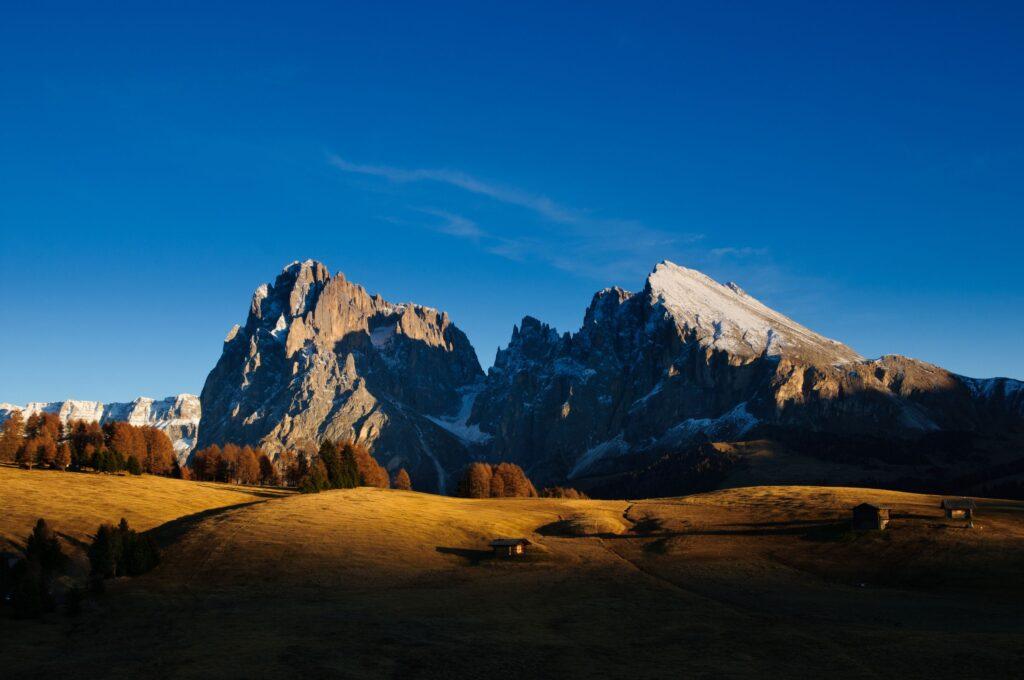
The Dolomites, and especially the Seiser Alm, are no longer an insider’s secret. Once you’re there, it’s easy to see why: the meadows of Europe’s largest high-altitude alpine pasture stretch out before you, with the Schlern, Langkofel and Plattkofel soaring into the sky behind them. But which hikes on the Seiser Alm are really worth doing? We asked someone who regularly hikes here.
Marnie Spögler is part of the host family at the Paradiso Pure.Living Vegan Hotel, works as a hiking guide and has hiked four of the five trails introduced below herself. Her home and starting point couldn’t be more ideally located: The Paradiso Pure.Living Vegan Hotel is situated at an elevation of 2,020 metres on the Seiser Alm plateau. Many hiking trails start practically right outside the hotel door. “So when it comes to hiking, our guests have a pretty good head start,” says Marnie with a smile.
But first: hiking through the Dolomites with guide Marnie
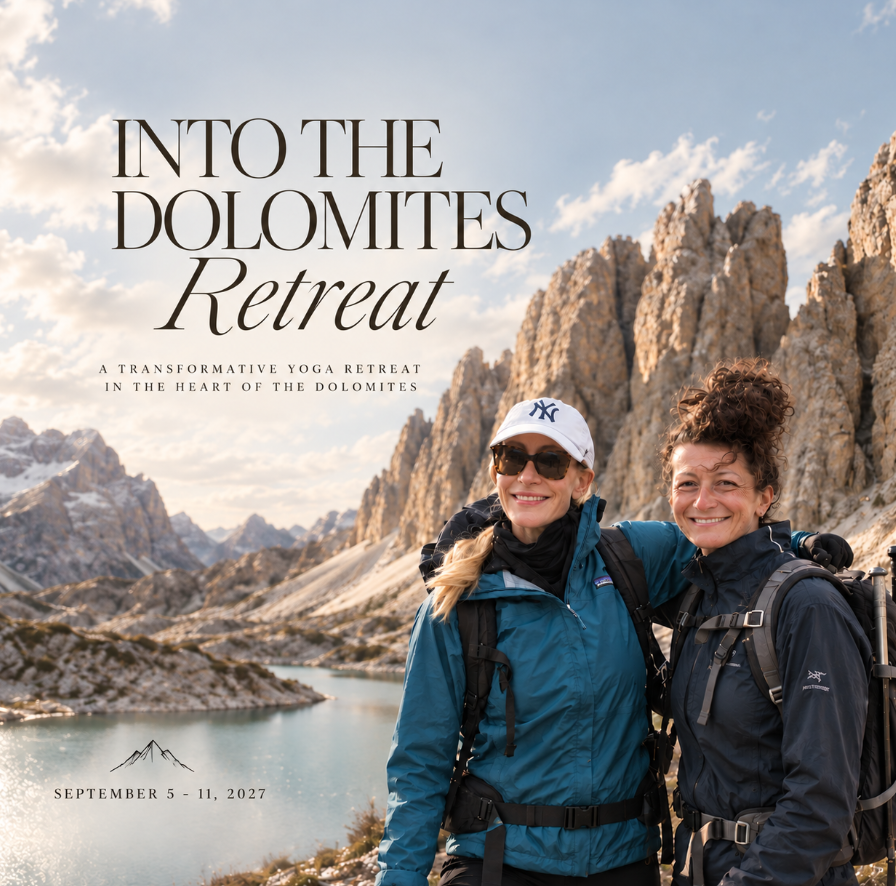
In 2027, you could even join Marnie on one of the hikes featured in this article: from 5–11 September, Pure Yoga & Retreats will be hosting the “Into the Dolomites Retreat”. The five-day tour features daily hikes and yoga and is an extended version of the Monte Pez tour.
As of October 2026, there are only five spots left. If you would like to join the 2027 hike, you should find out more and register sooner rather than later.
→ Here you’ll find all the information you need about the “Into the Dolomites Retreat”.
First things first: What exactly is the Seiser Alm?
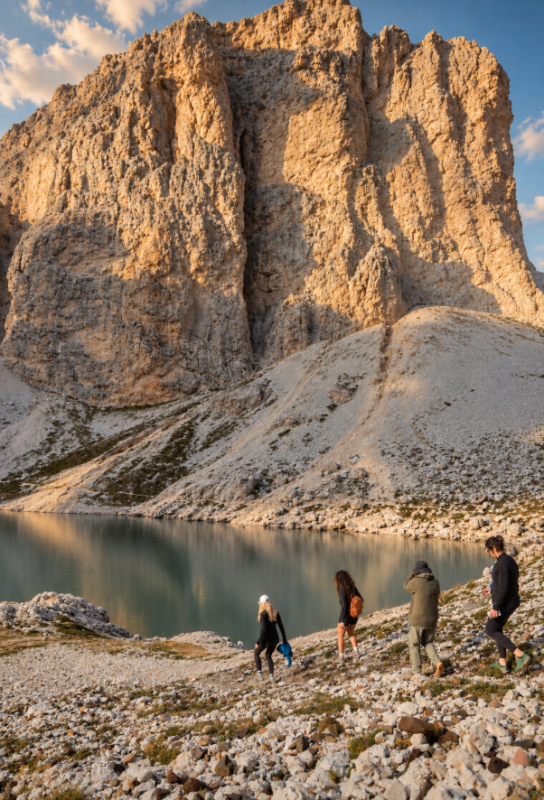
An “Alm” is a high-altitude pasture where livestock are traditionally taken to graze during the summer. On the Seiser Alm, you’ll also hike through a cultural landscape that has been shaped by human activity over the centuries, featuring meadows, pastures, and alpine huts.
So, you may well come across cows and horses along the way.
And then there are the mountains. The Seiser Alm is located in the heart of the Dolomites, a UNESCO World Heritage Site since 2009.
Key factors contributing to this include its extraordinary dolomite rock formations and geological significance: The light-colored, steeply rising cliffs reveal a world that was once covered by oceans and reefs millions of years ago.
Here’s an insider tip for your Dolomites vacation: Take a deep breath!
Marnie’s first tip has to do with the area’s unique landscape:
„”My most important tip is actually quite simple. Every now and then, stop, take a deep breath, and really take in the scenery.” —Marnie Spögler
Keeping that in mind, we’re going to head up into the mountains now.
Five epic hikes in the Dolomites
#1 Monte Pez: The challenging tour up the Schlern
Highlight: 360-degree panorama
Who should go: Experienced hikers in good physical condition
Marnie’s route: About 7–8 hours, including a lunch break
At 2,563 meters, Monte Pez (also known as Petz) is the highest point of the Schlern Group. When weather conditions permit, the view from up here stretches from Bolzano and the Rosengarten to Langkofel, Plattkofel, and Marmolada. Monte Pez is also the highest peak in the Schlern massif.
From Paradiso, the trail initially leads through alpine meadows toward Trail No. 2. After that, the hike becomes significantly more challenging. Some sections lead over rocky terrain and are equipped with stepping stones.
Marnie’s favorite version of this hike is longer. She first hikes to the Tierser Alpl, then continues along the ridge toward Monte Pez to the Schlernhaus (Rifugio Bolzano), a mountain hut high up on the Schlern Plateau.
Plan a full day for this route. Marnie estimates it will take seven to eight hours, including a lunch break at the Schlernhaus.
This landscape will play a central role in the “Into the Dolomites Retreat” in 2027, as mentioned earlier.
#2 Rosszahnscharte: Between the Schlern and the Rosengarten.
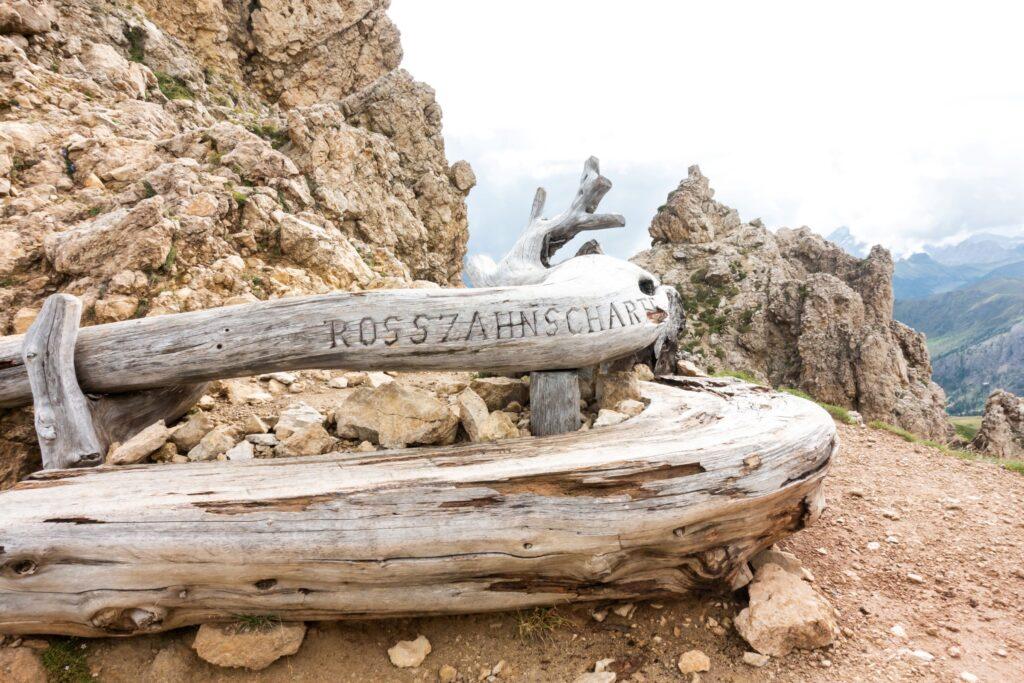
Highlight: Panoramic view of several Dolomite ranges
Who should go: Hikers in good physical condition who can handle steep ascents
Tip: Bring hiking poles
The Rosszahnscharte, also known as the Forcella dei Denti di Terrarossa, lies between the striking peaks of the Rosszähne.
The beginning of the trail can be somewhat misleading about what lies ahead. First, you’ll enjoy a relatively leisurely 30- to 40-minute hike through alpine meadows. At the foot of the Rosszähne, however, the trail becomes steeper. Hiking poles can be helpful during the ascent and descent.
Once you reach the top, a panoramic view opens up: On one side are the Rosengarten and Schlern, and on the other is the Langkofel Group.
If you set out early, you’ll also have a better chance of spotting wildlife. You might see chamois, foxes, marmots, or golden eagles.
According to Marnie, stopping for a break is an essential part of a good day of hiking. One option on this tour is the Tierser Alpl.
#3 Hexenbänke: The relaxed tour
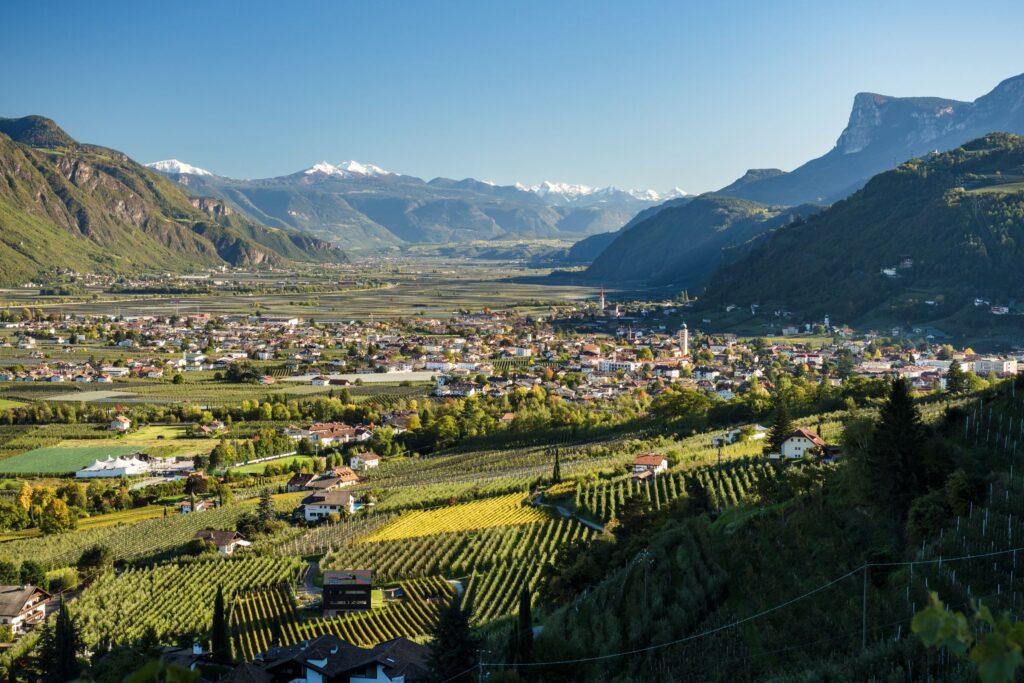
Highlights: View of the Adige Valley
Duration: About 3 hours
Who: Families and those who prefer an easy pace
Not every hike in the Dolomites has to be a summit hike. The hike to the Hexenbänke, known in Italian as the Panche delle Streghe, is the most leisurely of our five recommendations.
Starting from Paradiso, the trail first heads toward Compatsch, then climbs up to the Hexenbänke. Along the way, you’ll hike through meadows and wooded areas with plenty of spots to rest. On a clear day, the view stretches across the Adige Valley to Bolzano and beyond South Tyrol.
This hike is a great option if you want to experience the Seiser Alm landscape without committing to a long day in high alpine terrain. It’s also suitable for beginners who haven’t gained experience hiking in alpine and high-alpine terrain yet.
# 4 Plattkofelhütte: Marnie’s favorite
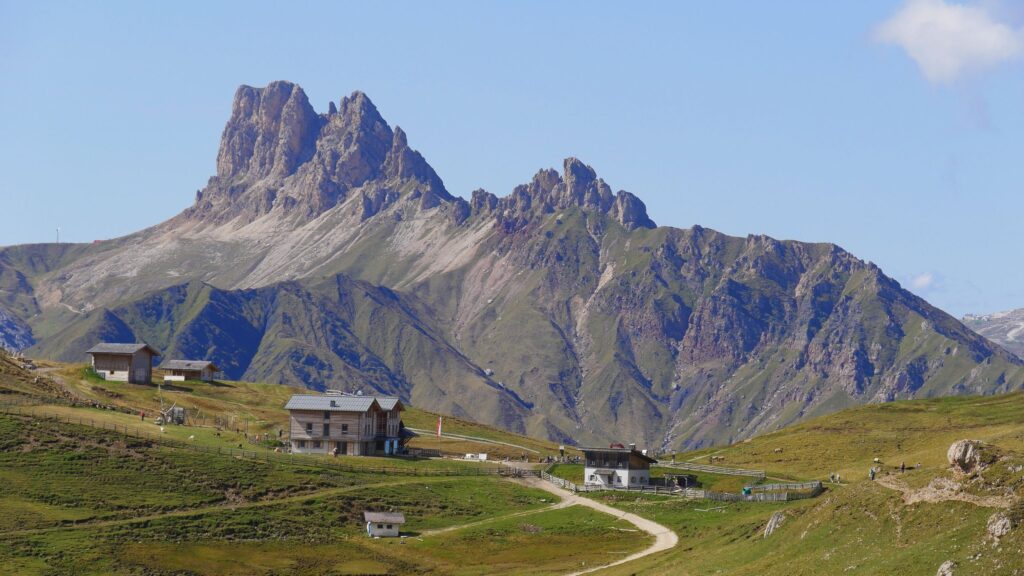
Highlight: Alpine meadows and panoramic views of the Dolomites
Duration: About 4–5 hours as a loop hike
Who should go: Leisure hikers in good physical condition
Rest stop: Plattkofelhütte
Marnie’s verdict: One of her two favorites!
If Marnie could choose only two of the five hikes, this would be one of them.
For her, it’s mainly the changing landscapes. The trail winds through rolling hills and long stretches of alpine meadows while ever-changing mountain panoramas unfold in the distance. On a clear day, you can see all the way to Marmolada.
From Paradiso, the trail winds through the meadows toward Saltria. Later, the path climbs to Plattkofelhütte, which sits at an elevation of 2,297 meters directly below Plattkofel.
Marnie describes the hike as a pleasant four- to five-hour loop. She would never just walk past the hut, though. Having lunch (with vegan options available upon request!) at the Plattkofel Hut is a must for her.
For the return trip, you can choose either a loop trail or hike back along part of the ascent route.
#5 Langkofelhütte: Between two giant cliffs
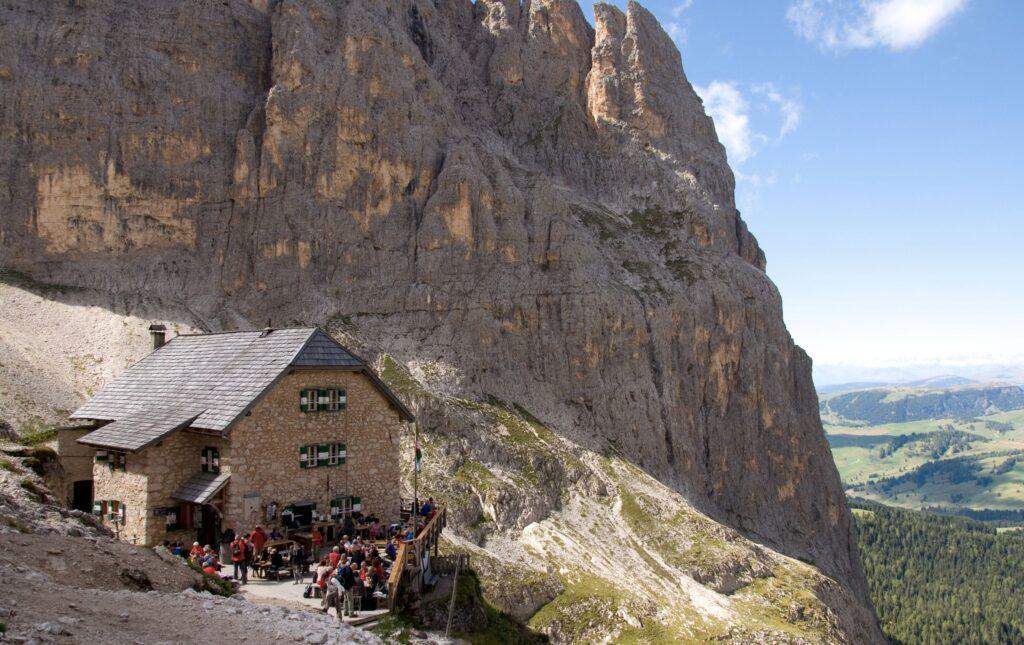
Highlight: Between Langkofel and Plattkofel
Duration: About 6–8 hours
Who should go: Hikers in good physical condition and with prior experience
The destination itself is extraordinary on this tour: The Langkofelhütte, Rifugio Vicenza, is located between Langkofel and Plattkofel.
The first part is similar to the hike to the Plattkofelhütte. You’ll start by hiking toward Saltria. From there, you can take a mountain railway to shorten part of the ascent or cover the entire distance on foot.
From Paradiso to the Plattkofelhütte alone, you should plan on about three and a half hours on foot. (It’s 9.7 km away.) The Langkofelhütte is still quite a bit farther, at about 15 kilometers. In total, the tour can take six to eight hours.
At the top, you’ll finally find yourself right in the middle of the steep rock faces of the Langkofel Group. It’s this very location that clearly sets the tour apart from the alpine hikes on the high plateau.
If you’re looking for a long and challenging day of hiking and are in good enough shape, you’ll be rewarded with a completely different perspective on the Dolomites.
Marnie’s tips for hikes in the Dolomites
Leave before 7 a.m.
Of course, we also wanted to ask Marnie what advice she gives guests that isn’t found in traditional hiking guides. Her answer? Get up early!
She says that around 7 a.m., the trails are often still nearly empty, the light is soft, and the view of the mountains is especially clear. Most importantly, though, she recommends not viewing a hike as a task to be completed as efficiently as possible.
“I don’t like to rush through a hike just to get from one destination to the next.” – Marnie Spögler
Take a break and enjoy the view. Have a cup of coffee in the cabin. Eat some cake. And don’t stress out if that means you’ll reach the summit an hour later.
By the way, Bergbaschdi, the Allgäu hiking guide, also gave this advice. There’s no need to be afraid of darkness either—after all, that’s what headlamps are for! Of course, you should have one in your backpack.
Marnie always puts these things in her hiking backpack
Even if the sky is blue when Marnie sets out from Paradiso, she doesn’t count on it staying that way in the mountains. The weather can change quickly.
That’s why she always carries:
- several layers of clothing
- a waterproof jacket
- a water bottle
- and a snack, even on short trips.
You can refill your water at various locations along the way. The official tourism organization points out marked drinking water fountains in the hiking area.
Before setting out, check the weather forecast and trail conditions. It is also helpful to save emergency numbers in case of an emergency. The official website of the Dolomites region also recommends:
- sunscreen and
- a first-aid kit
Another important tip for hiking in the Alps: Let your hotel know which hike you plan to take and which route you’ll be taking. If applicable, also let them know when you plan to return. Not only will you likely receive valuable advice, but, more importantly, someone will know where to look for you in case of an emergency!
Bottom line: You and the mountains

Marnie’s hikes aren’t about conquering a mountain or checking off as many peaks as possible. She wants to consciously experience nature and be part of this impressive landscape, letting her gaze wander over the alpine meadows, breathing in the crisp mountain air, and noticing how the view changes with every step. Fortunately, the Dolomites offer plenty of opportunities to do just that.
The Most Important Questions About Hiking on the Seiser Alm and in the Dolomites
Marnie particularly recommends mid-June through September for the higher-altitude hikes. The alpine meadows are in bloom in June and July, and the trails are often less crowded in late August and early September. The official tourism organization lists the hiking season for the entire Seiser Alm region of the Dolomites as March through November, though this applies to lower-altitude trails as well.
Not necessarily. According to Marnie, snow can linger until June on higher trails and around the Schlern. Therefore, the current conditions of the trail in question matter more than the date. Ask at the hotel, and keep an eye on official trail closure updates.
Yes! It’s possible to hike in the Dolomites in the winter. At Seiser Alm, there are groomed winter hiking trails where you can explore the snow-covered landscape without skis. Snowshoe hikes are also available, which allow you to venture off the groomed trails. However, the summer hikes featured here aren’t necessarily suitable for winter. Therefore, be sure to check in advance for suitable winter routes, the current weather and snow conditions, and the avalanche situation.
The Seiser Alm hiking area extends from approximately 1,800 to 2,500 meters in elevation. The Paradiso Pure.Living Vegan Hotel is located at an elevation of 2,020 meters.
Here, you’ll hike through vast alpine meadows surrounded by the striking rock formations of the Dolomites. The Schlern, Langkofel, and Plattkofel dominate the landscape. These contrasts make hiking here particularly appealing. Additionally, the region’s official trail network spans approximately 450 kilometers, offering something for everyone.


