
What should a hotel smell like? What kind of scent should the lobby or fitness center have? “That’s my area of expertise,” says perfumer Beate Nagel. She has developed signature scents for the Burj Khalifa in Dubai, BMW, and Swarovski Crystal Worlds, among others. Hotels in the Green Pearls® network, too, strategically use room fragrances. However, when it comes to nature-focused hotels, a particular question arises: Isn’t nature the best perfumer?
“Creating a fragrance has a lot to do with art.”
German fragrance creator Beate Nagel had her big breakthrough in 2002 with “Scent Maybach.” At the time, Daimler AG already had a clear vision for presenting its luxury cars at international auto shows (Monte Carlo, Paris, Shanghai, and many others). The fragrance was designed to evoke the scent of Scandinavian forests and spruce trees, in keeping with the planned design of the exhibition booths.
As is her way, Beate first took a moment to reflect deeply. ‘You really have to immerse yourself in it,’ she says. “It’s like a painter developing an idea.”
She bravely decided to disregard Daimler’s guidelines. Because:
“Who on earth thinks of Scandinavian forests when they hear ‘Maybach’?! When you hear ‘Maybach,’ there’s really only one thing that comes to mind: rich men!” – Beate Nagel
So, she took the fragrance in a completely different direction—making it more like a luxurious men’s cologne.

Where do the ingredients used to make a fragrance come from?
For Beate Nagel, working with 100 percent natural fragrances is important—as is ensuring they come from sources she can vouch for. “I pay very close attention to my suppliers. Unfortunately, that’s something not many people in the industry do,” she tells us.
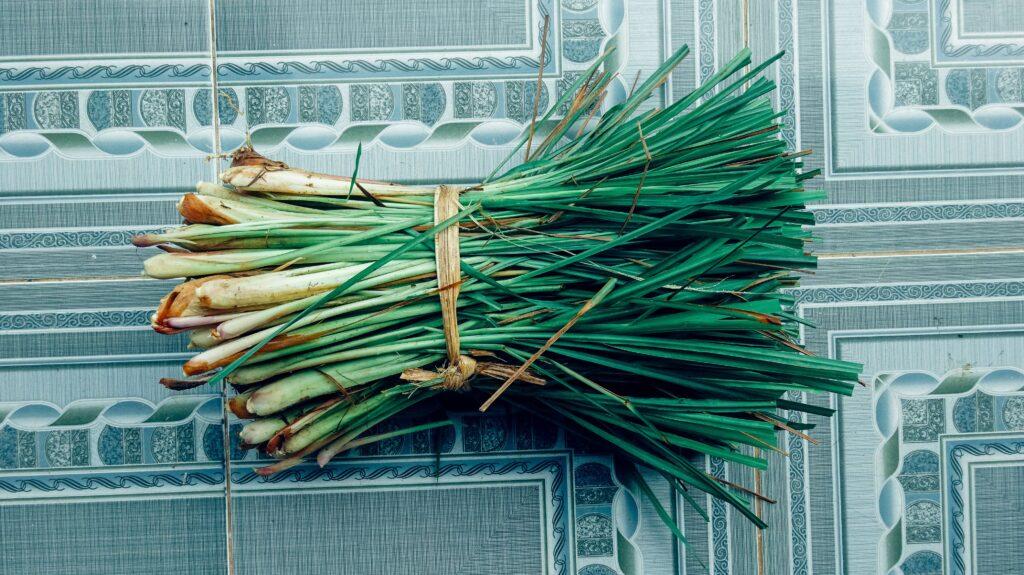
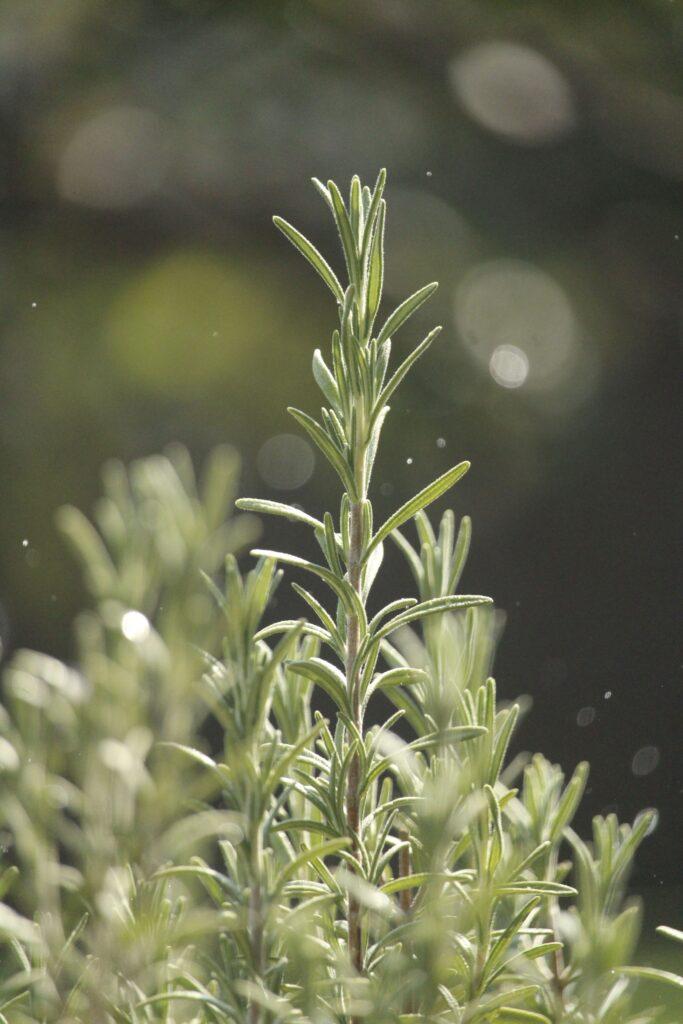
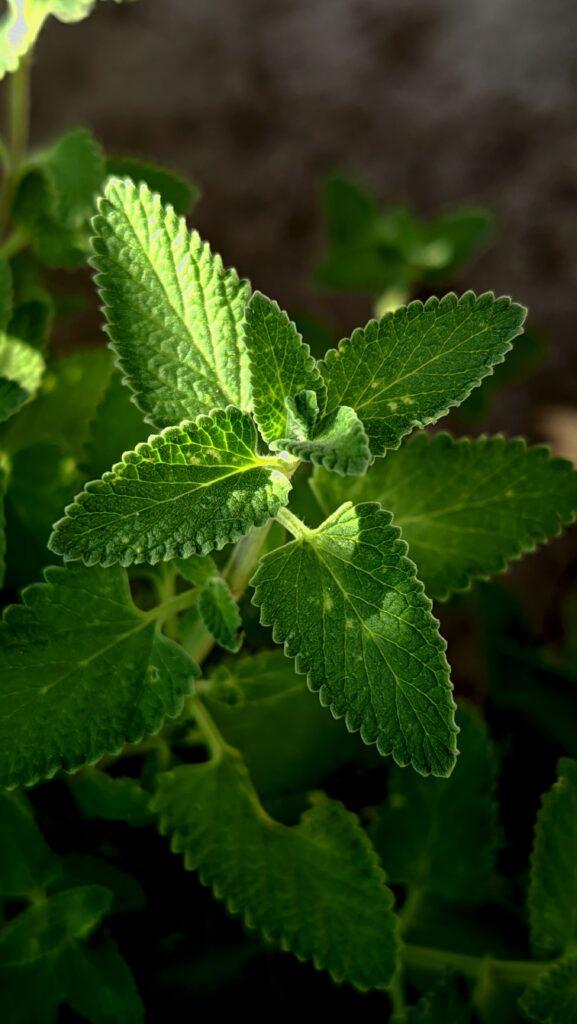
For example, she sources lemongrass from Bhutan because its cultivation supports local farmers (according to her). For a fragrance project at Frankfurt Airport, she combined lemongrass from Bhutan with rosemary from Spain and peppermint from France.
Natural or synthetic?
Our editor wanted to know why she doesn’t use synthetic fragrances. “Laura, synthetic fragrances make me feel sick!” Beate Nagel said with a laugh.
Based on her many years of experience, she believes that people generally receive natural fragrance compositions more positively than synthetic ones. For her, nothing else is an option.
But whether natural or synthetic, certain scents affect us. And companies and hotels take advantage of that.

Scents evoke strong memories
Have you ever experienced this? You smell something familiar and suddenly you’re back on vacation. Mentally, you’re standing by the ocean, sitting in a garden, or recalling a hotel room.
Among others, a study by Herz and Schooler (2002) demonstrated that smells can evoke particularly emotional memories. The researchers found that memories triggered by smells were experienced more emotionally than those evoked by visual stimuli.
That’s what makes creating scents for hotels so interesting. When you associate a particular scent with a wonderful holiday, it can transport you back to that place, even years later.
A signature fragrance anchors memories
Hotels want to provide their guests with unique experiences.
A signature scent should be more than just a pleasant room fragrance. It should complement a home’s character and create a sense of familiarity.
Beate Nagel believes that first impressions are especially crucial: “The most important area is the reception area—the moment you walk in, the welcoming scent.”
She adds that creating your own fragrance blend makes a great gift for guests or a souvenir from the hotel shop. This way, you can bring a piece of your vacation home with you and relive it anytime.
Best Practice Example: What does Peru smell like? Inkaterra develops a unique scent for each of its hotels

The owner-managed Peruvian hotel group Inkaterra shows just how far hotels can go in this regard. The group has seven properties in four different locations: the northern coast of Peru, the Andes (including Cusco and Machu Picchu Pueblo), the Sacred Valley, and the rainforest. Each property is designed to blend into its surroundings; the materials, architecture, cuisine, and concepts differ significantly, giving each property its own unique character.
This concept also applies to sensory elements such as light, music, and, of course, scent. Inspired by the nature and plants of the respective region, Inkaterra has developed a unique scent identity for each hotel.
“Developing these fragrances is a very personal and meticulous process that can take a lot of time,” explains Isis Córdova, Inkaterra’s Head of Marketing.
The company works with different specialized partners who help with the production of the products. Inkaterra develops the fragrance formulations itself.
A whole year for the scent of a palm tree
The sangapí is a species of palm tree that is native to the Peruvian rainforest. It inspired the fragrance of the Inkaterra Reserva Amazónica hotel. It took over a year to develop the essence, ensuring it met everyone’s expectations. Since then, the fragrance has accompanied guests throughout their stay in the Amazon rainforest.
A connection to the region
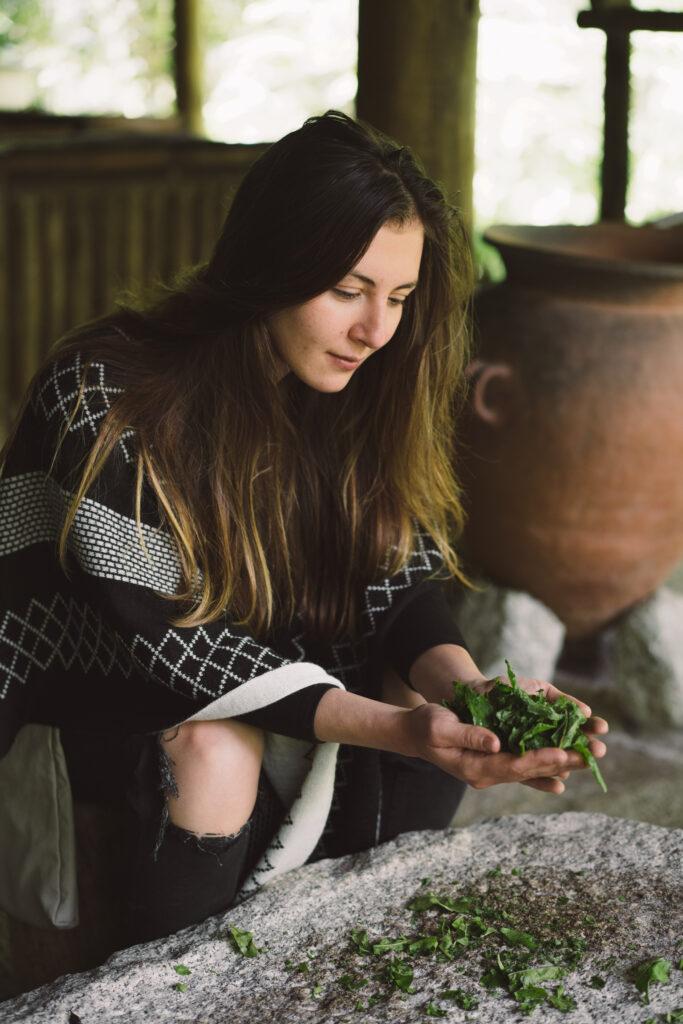
With its signature scents, Inkaterra creates a gentle yet powerful connection to the landscapes, nature, and surroundings of its hotels, while simultaneously highlighting their unique characters. The scents are as diverse as Peru’s landscapes.
- The lemony scent of Monte Limón, a plant native to the cloud forest, inspired the signature fragrance at the Inkaterra Machu Picchu Pueblo Hotel, which permeates every area of the hotel.
- At the Inkaterra La Casona in Cusco, on the other hand, palo santo (“holy wood”) plays a key role. This aromatic wood is used in various South American traditions for burning incense in rituals, in which the smoke is believed to purify spaces of negative energy. Through this scent, Inkaterra aims to connect with the cultural heritage of the Andean region and the history of the building.
- The scent at the Inkaterra Hacienda Urubamba, located in the Sacred Valley of the Incas, is inspired by the yellow-blooming broom flowers of the Andean landscape.
What makes these fragrances particularly special is that they are the result of an in-depth exploration of each location, capturing the unique characteristics of the landscape and culture.
In all hotels, you can catch a whiff of the fragrance blends in the spa, in common areas, on the linens, and in the bathrooms. Limited-edition product lines are also frequently available for purchase in the hotel boutiques. The linen sprays are especially popular because they allow you to bring the scent into your own bedroom.
From the rainforest to the spa: Plant extracts at Inkaterra
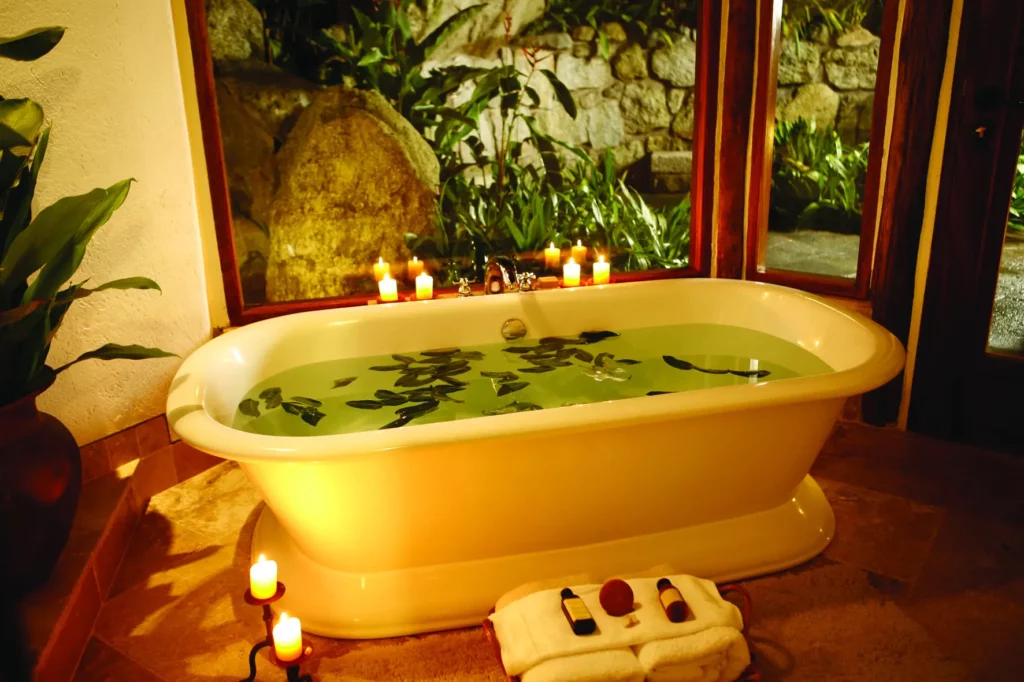
Both the scents of the selected symbolic plants and the scents of the other plants in the surrounding area play a special role in the spas at Inkaterra Hotels.
At the MAYU Spa at the Inkaterra Hacienda Urubamba, for instance, eucalyptus is the star attraction. The distinctive scent of its leaves complements the Sacred Valley landscape and can be enjoyed in the form of bath essences and body wraps.
At the UNU Spa of the Inkaterra Machu Picchu Pueblo Hotel, on the other hand, inspiration comes from an orchid called Trichopilia fragrans. Its name already hints at its sweet fragrance. The orchid is part of the diverse flora of Peru’s cloud forests, and the hotel group has already documented several orchid species that have reestablished themselves thanks to its commitment to biodiversity in Peru. In 2025, a team of researchers discovered a new species of orchid in the hotel’s garden.
The scent is different once again at the ENA Spa at Inkaterra Reserva Amazónica. Here, the fragrance blend is inspired by the rainforest and combines essences from the sangapia palm, ferns, and a species of fig native to the region.
This gives each spa its own unique scent, inspired by the local flora.

Is nature the best perfumer? A look inside the Stanglwirt organic and wellness resort in Austria
Having explored fragrance compositions inspired by nature, we now turn to nature itself. At the Organic Green Spa Resort Stanglwirt in Tyrol, there is no signature scent developed specifically for the hotel, nor is there any widespread use of artificial fragrances.
Instead, the resort relies on the natural scents of its surroundings and the materials used to build it.
Swiss stone pine in place of a scent diffuser
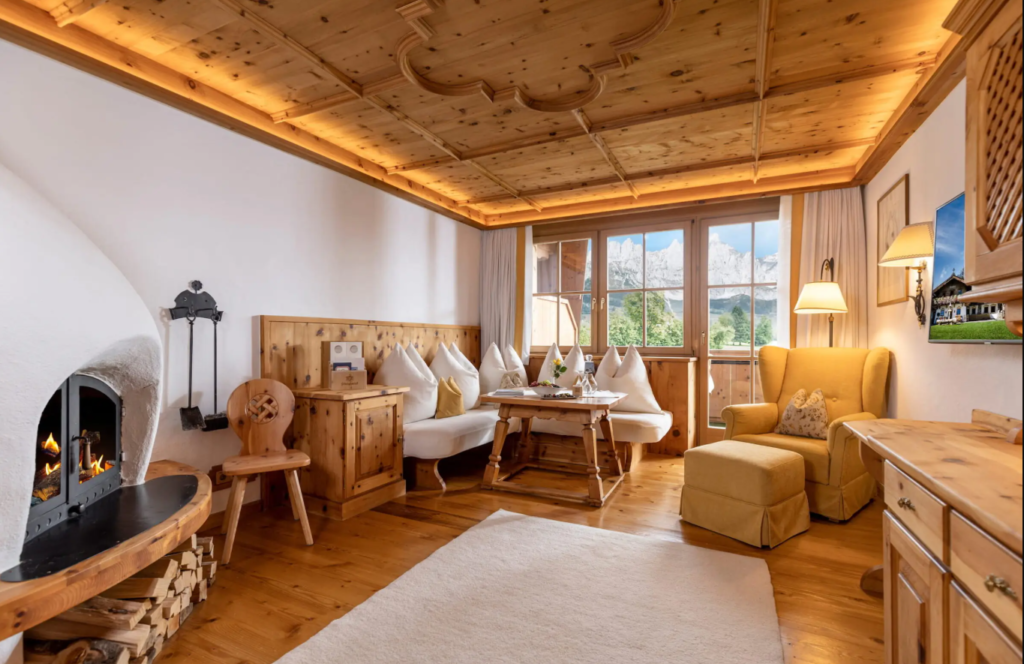
This includes Swiss stone pine in particular. Some bedrooms are furnished with this wood, which exudes a resinous, spicy scent. And is even said to be a miracle cure for better sleep. Aside from the wood, the surrounding meadows, forests, and farmland also contribute to the sensory experience at the Stanglwirt. And then there’s one very special scent.
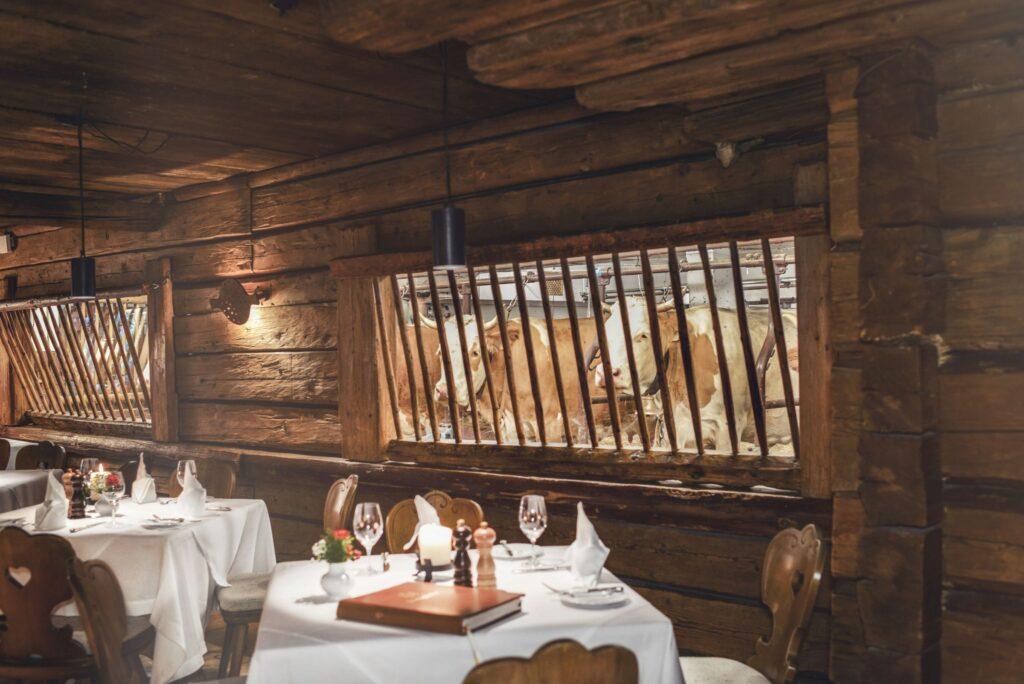
“Take a deep breath!” – Humor by the Manure Pile
One of the resort’s main paths leads past a manure pile. Next to it is a sign that reads:
“Please enjoy the fresh country air here. Take a deep breath!”
We asked Beate Nagel, as a perfumer, what she thinks of this. She laughed. “That’s funny!” I lived in the Allgäu for a long time, too. It’s okay to bring a sense of humor to your work.” However, she does have one small caveat: “I probably wouldn’t recommend taking a deep breath.”
The Stanglwirt charmingly demonstrates that an authentic scent experience doesn’t always have to be pleasant in the traditional sense. After all, the ability to smell local farms is part of a place’s character.
Incidentally, Beate Nagel doesn’t see this as contradicting a deliberately crafted room fragrance. Even a hotel surrounded by nature can have its own welcoming scent. The important thing is that the scent suits the establishment.
Which home fragrance is right for you?
Of course, you don’t need to hire a perfumer to make your home smell nice. For example, memo, an award-winning online retailer committed to sustainability, offers a selection of home fragrances and accessories.
These include products from Primavera. Beate Nagel has worked with this company before. She particularly appreciates their approach to sourcing plant-based fragrance essences. Primavera’s line includes certified organic home fragrances and other blends of natural essential oils, all of which are manufactured in Germany.
Three scent ideas for different rooms
- For working from home: Primavera “Concentration” Fragrance Blend*. This blend of lemon, giant fir, and sage has a fresh, tart scent. It’s a great choice for anyone who enjoys these scents while working.
- For a fresh room fragrance: Try Primavera Organic Room Spray “Good Mood“*. The scent of orange, lime, and lemon fills the room—or even the hallway—with a fruity, citrusy aroma. The spray is NATRUE-certified.
- For the bedroom: Primavera Organic Pillow Spray “Schlafwohl”*. A blend of lavender, neroli, and vanilla creates a warm, floral scent ideal for an evening ritual. According to the product description, it contains pure essential oils from certified organic cultivation.

Inspiration: Find your personal signature scent
However, before ordering a room fragrance, take a moment to consider what you want your home to smell like.
Maybe you associate your home with the smell of freshly washed laundry. Or the lavender in the garden. Or with lemon peels on the kitchen table while you cook. Or perhaps you associate your home with the scent of wood and a forest after the rain.
Think about which scents you particularly like and the memories you associate with them. Would you like a scent that reminds you of a specific place? Or would you like to create a new association for your home?
Tip: Start by trying individual scents sparingly. After all, a scent doesn’t need to be constantly present to set a room’s mood.
.
More fragrance knowledge from Beate Nagel
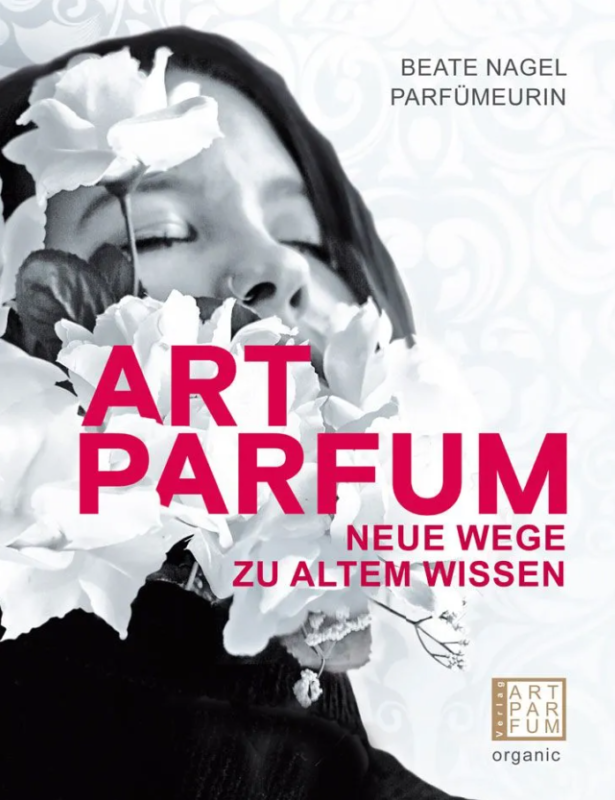
If you’re interested in delving deeper into the world of perfumery, check out the two books written by Beate Nagel.
In Art Parfum: New Paths to Ancient Knowledge, she delves into the world of fragrances, perfume compositions, and traditional knowledge related to scents.
In PARFUM PUR – Fragrances, Colors, Culinary Delights & a Pinch of Poetry, she takes it a step further and combines the world of fragrances with colors and culinary delights. The book features profiles of 21 fragrances and 49 recipes.
You may discover a scent you hadn’t considered before. And who knows? Maybe one day, while traveling somewhere on the other side of the world, it will remind you of home.
*The product links are affiliate links. If you make a purchase through them, we’ll receive a small commission. The price remains the same for you.


