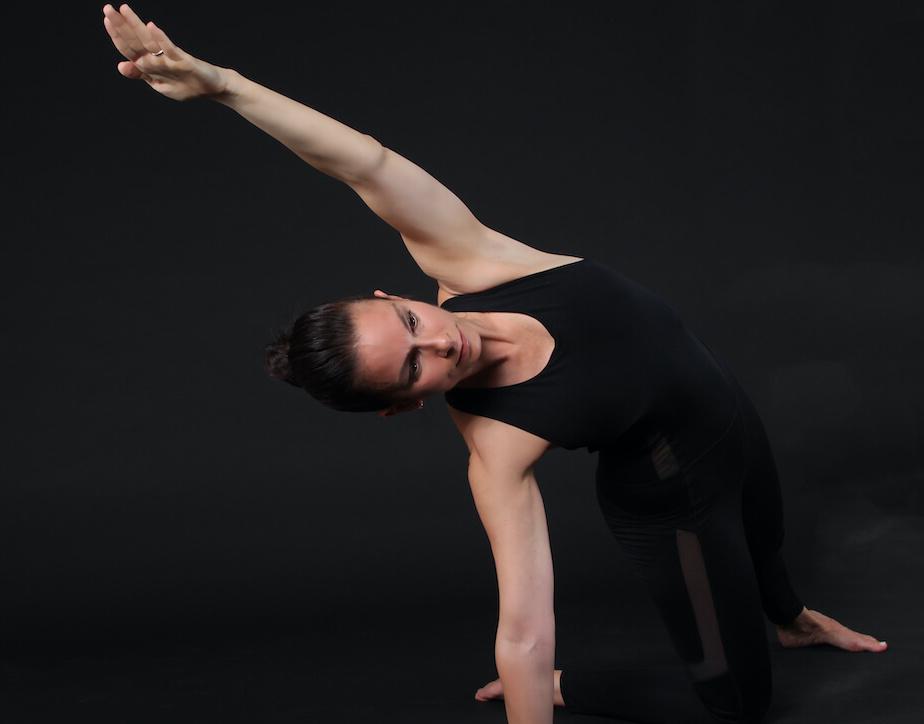
Have you ever thought about starting yoga or are you already a practicing yogi?
I myself stumbled into yoga in 2005. As a part-time fitness and group trainer, yoga was then introduced as a regular course in my studio and since all the women suddenly started going to yoga, I went as well. To be honest, the first course I attended was unusual: it was a form of exercise that I didn’t know and I wasn’t sure if I liked it.
But I stuck with it – and quickly noticed the first positive changes. I became more flexible, more balanced, had less tension, my sleep patterns and my migraines also improved. I could continue this list endlessly. The logical consequence of this was that I trained to become a yoga teacher and thus embarked on an exciting journey.
Advantages of Yoga
Most people start with yoga for a particular reason: Some want to reduce stress or maybe even pain, some want to improve their posture and still others want to strengthen their entire body. But yoga has many more advantages. It increases flexibility, stimulates digestion and strengthens the immune and cardiovascular systems. Yoga also promotes sleep, delays the aging process and improves concentration. Many yoga practitioners benefit from a brightening of the mood and an improvement in general well-being.
As you can see, there is no reason not to start with yoga, and now you no longer have an excuse 😉
But which is the best way to start with yoga? If you search the internet you will find a lot of offers, which can be very confusing, especially for beginners. To give you a short overview, I will introduce you to some types of yoga here.
The most important thing: try yourself! Go to different classes with different teachers and find out what appeals to you the most. There is no right or wrong. There is only the yoga that suits you the best.
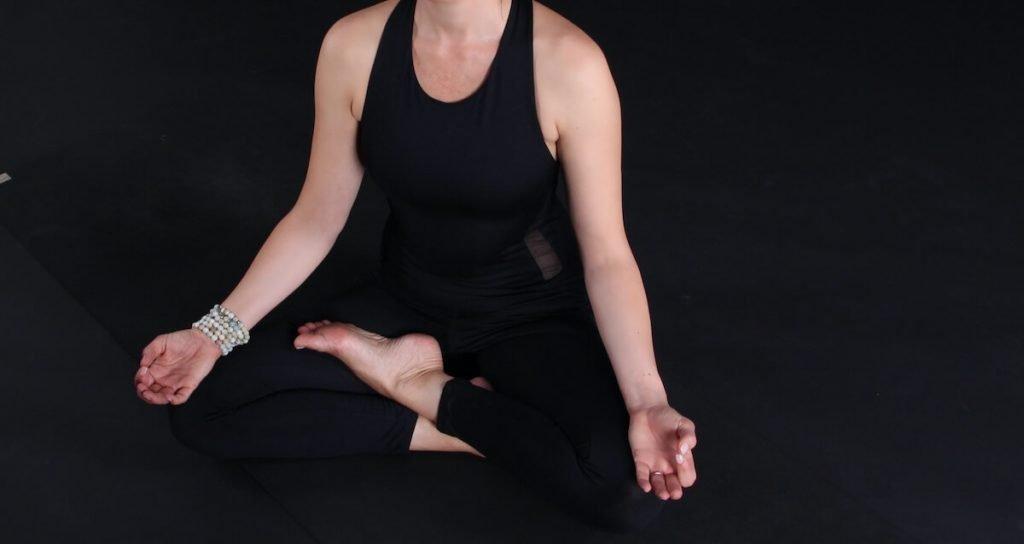
Yoga styles and specializations
Yoga is a millennia-old discipline that has its origins in Hinduism and parts of Buddhism. Originally, yoga was a pure spiritual path, which was supposed to lead to enlightenment through meditation and could only be practiced by the highest castes in India. It was only much later that yoga developed into a holistic approach to bring body, mind and soul into harmony. In 1893, philosophical yoga first came to the West through Swami Vivekananda. In the middle of the 20th-century yoga then developed into the physical direction and movements we think of today and the first asanas were taught and practiced in the West. Sri T. Krishnamacharya, Indra Devi, BKS Iyengar, K. Pattabhi Jois and Yogi Bhajan are only a few pioneers of this time.
In recent years many styles of yoga have developed. Some of them have more traditional approaches, others modern ones. For me, all yoga styles have their justification, because there is something for everyone and everyone can practice the yoga that comes closest to their personal requirements. I would like to introduce some yoga styles and specializations to you, but I don’t claim this to be a complete list, because that would simply go beyond the scope of this post ;-).
-
Jivamukti Yoga
Jivamukti Yoga was founded by Sharon Gannon and David Life in New York. It belongs to the modern, flowing yoga styles and is composed of different elements, one of the central points is ahimsa, non-violence. A central part of this yoga tradition is not to harm any living being. It is much more than just a yoga style. It is a philosophy that gives guidance for a particular lifestyle. The practice itself is very dynamic and consists of flowing exercises (vinyasas), meditation and mantras.
-
Ashtanga Yoga
Ashtanga Yoga is also known as the supreme practice among the different styles of yoga. Ashtanga Yoga was founded by Patthabi Jois, who himself studied in India and developed the 6 series of Ashtanga Yoga. The series are always in a set order and should be practiced daily. This yoga style is very demanding and dynamic and even after years of practice, most practitioners are only able to practice the first two series.
-
Vinyasa Yoga
In Vinyasa Yoga, as in Jivamukti Yoga and Ashtanga Yoga, the postures are practiced in flowing sequences or Vinyasa. Vinyasa Yoga, however, is free of set sequences and is very creative. Just like the dynamic yoga styles mentioned above, Vinyasa Yoga is very intense and can be physically demanding. However, relaxation and meditation are also elements of a session.
-
Hatha Yoga
Hatha Yoga is the origin of all yoga. Hatha Yoga is mainly known as a physical practice, whereby the asanas (postures) are practiced individually and not in a sequence. The postures are performed very attentively and consciously and are therefore especially suitable for beginners to start with yoga. Breathing exercises, relaxation and meditation are also part of a Hatha Yoga class.
-
Private / Personal Yoga
Private or personal yoga classes are held on a 1:1 basis. Before entering into regular practice, an extensive medical history of the client is recorded, covering both the physical and mental areas. The respective life situation is also considered and recorded. Based on this, a “training plan” is created and goals are defined. Various yoga styles can be incorporated into such an hour. Based on the situation, the yoga teacher finds the right content, which can be influenced by different styles.
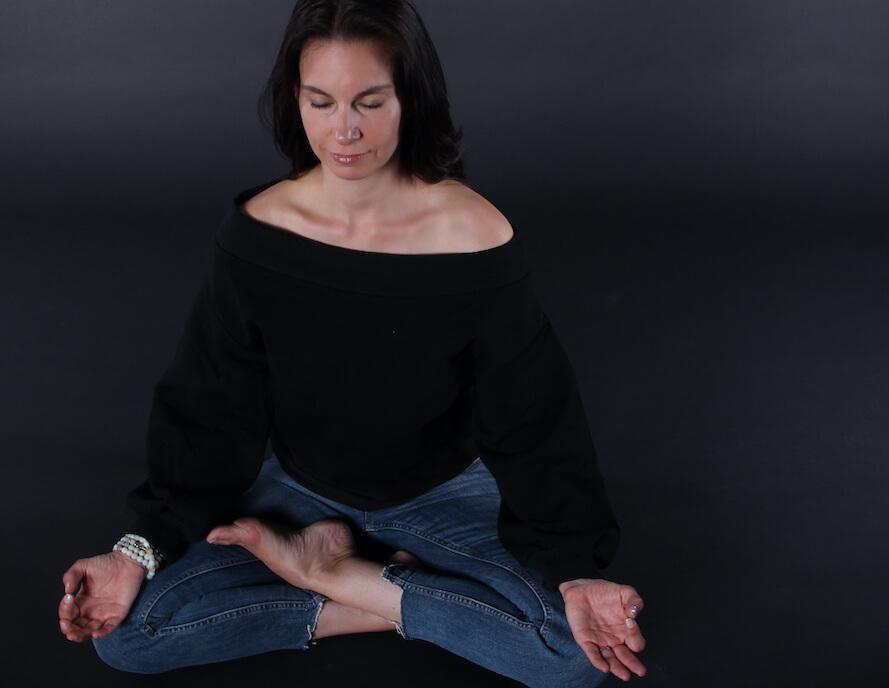
Read more: Further descriptions of yoga styles, such as Therapeutic Yoga, Yin Yoga, Hormone Yoga and Iyengar Yoga,
can be found on my blog Nadine Weiland Yoga & Coaching.
Besides the offers in fitness and yoga studios, there are of course hotels that offer yoga classes as well as specialized yoga trips, or retreats. In our next blog post, we will introduce you to some of our partner hotels where you can experience the perfect combination of yoga practice, relaxation and sustainable activities.
Do you like this article? Share it!


1 thought on “Why yoga and which yoga styles should you choose?”