We’ve been focusing on responsible travel for over ten years. As a result, terms like “carbon footprint,” “local economic impact,” “slow travel,” and “regenerative tourism” are second nature to us. But what if you’re just getting started? It can all feel overwhelming at first. For this article, we teamed up with someone who has experience explaining sustainable travel to beginners: Lee Mylne.
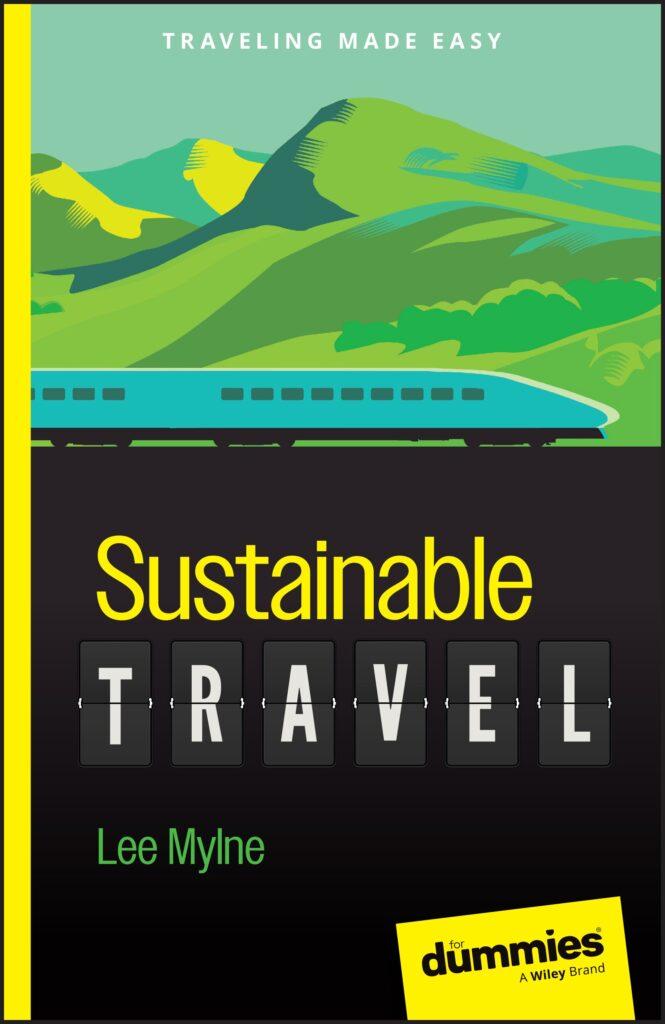
In 2024, Australian travel journalist and author Lee Mylne published Sustainable Travel For Dummies. In it, she deliberately addresses those who want to travel more responsibly but don’t know where to begin.
She has traveled to around 70 countries and writes for The Telegraph as a destination expert and hotel reviewer, among other roles. She has also explored the topic from an academic perspective. In her doctoral dissertation, she examined ethical issues in travel journalism. We wanted to ask her: What do newcomers to sustainable travel really need to know? Read her response below.
But first:
First things first:
What does “sustainable” even mean?
Before we discuss sustainable travel, we must first clarify what “sustainable” means. One of the most well-known definitions comes from the 1987 United Nations Brundtland Report. In short, sustainable development means meeting our current needs without compromising the ability of future generations to meet theirs.
What are the implications for travel, then?

Imagine that you are on vacation in a beautiful place. You want to have a good time. But at the same time, you also want the locals to be able to make a good living from tourism. And the beaches, forests, mountains, and wildlife shouldn’t suffer because you and many other tourists are visiting. The area should remain a great place to live for the local people and for future visitors.
But your trip affects more than just the place you’re visiting. Flying, for example, emits greenhouse gases that contribute to climate change and affect the entire planet.
Keeping these things in mind is the basic idea behind more sustainable travel.
A short interview with Lee MyIne, or: What many people don’t understand about sustainable travel
Green Travel Blog: Hi Lee, thank you so much for taking the time to do this interview. Let’s start with a somewhat provocative question: What is it that many people don’t understand about sustainable travel?
Lee Mylne:I think many people don’t know exactly what “sustainable travel” means, or the difference between sustainable and responsible travel, for example. Then there are terms like “ethical tourism,” “regenerative tourism,” and “slow travel.” It’s easy to get confused.
In my book, I try to explain the differences between these approaches and show how they can work together. Ultimately, the goal is to help us, as travelers, leave the places we visit in the same or better condition than we found them.
Green Travel Blog: Let’s just say I don’t feel like working my way through all these definitions, but when it comes to the idea of preserving the world for future generations, I’d love to be part of it.
Where should I start?

Lee: One good question to ask yourself at the beginning is: “Do my decisions on this trip negatively impact the environment or the place I’m visiting?”
And then: one step at a time. Take a look and see which of these ideas you could try on your next trip:
- Travel outside the peak season (this eases the pressure on the destination and ensures year-round income for locals)
- Take the train if it’s a viable alternative to flying or driving.
- Use public transportation at your vacation destination.
- Choose accommodations that also benefit the local community and have a sustainability strategy (e.g., by using renewable energy, reducing waste, serving organic food, etc.)
- Shop at local businesses—from restaurants to souvenir shops.
- Take a closer look at activities involving animals: Does this cause animal suffering? (We recently had an interview with PeTA on the topic of animal welfare while traveling)
- Ask yourself how often and how far you travel. (A long stay is generally much more low-carbon than several short trips)
You don’t have to do everything all at once. Lee’s advice: “Take it one step at a time.”
Two specific ways to make your next vacation more sustainable

#1 How are you planning to get to your vacation destination?
If there’s just one area you want to start with, take a look at your travel arrangements. According to UN Tourism, transportation accounts for the largest share of greenhouse gas emissions related to tourism.
Let’s use a simple example. You want to travel from Frankfurt to Paris. You could fly or take the train. According to calculations by EcoPassenger, there is a significant difference for this exact route: Each person emits approximately 14 kg of CO₂ by rail—considerably fewer greenhouse gases than the 138 kg emitted by plane for the one-way flight on the same route. In the end, taking the train saves nearly 90% of the emissions, and you arrive right in the heart of Paris.
Does that mean the train is always the best option? Unfortunately, it’s not quite that simple, especially when compared to driving a car or an electric car. That’s because several factors come into play: How many people are in the car? Where does the electricity for an electric car come from? We took a closer look at this topic in our comprehensive mobility fact check.
#2 Where do you sleep?

©Hotel Luise
You’ve arrived . The next big part is finding a place to stay.
Note: You may have already noticed: With just two building blocks—two questions—you can make your trip significantly more sustainable. There are a few other related questions, of course, but these two aspects of a trip have a significant impact on its overall sustainability. Just two questions. That doesn’t seem so overwhelming anymore, does it?
And accommodations are (as you may already know) our specialty. Green Pearls® is a curated network of hotels and vacation rentals that showcase their sustainability initiatives transparently.
There is no single solution that works for every situation. Each house starts where it can make a difference, based on its location, history, and potential.
- At the Hotel Luise in Erlangen, for instance, you can stay in a “renewable” hotel room. The design of these rooms features natural, renewable, and recyclable materials.
- The OLM Nature Escape in South Tyrol takes a different approach: This energy-self-sufficient aparthotel generates its own energy and heat using geothermal and solar power.
- At The Pavilions Himalayas – The Farm in Nepal, the hotel’s concept is closely tied to the region. The hotel supports organic farming and local community projects. According to the hotel, 50 percent of its net profits go toward social projects, such as providing education to children and women.
Three Green Pearls® accommodations, three completely different approaches. That’s why we have a tip for choosing your accommodation: Don’t just look for the word “sustainable.” Take a closer look at what the accommodation is actually doing. Browse the website of the specific property or check out suitable hotels and vacation rentals on the Green Pearls® page. “Sustainable measures” are presented transparently and clearly for each property.
Experience sustainability on vacation


By now, you’ve hopefully gotten an idea of what sustainable travel means and where you can start. But maybe you’d like to do more than read about it; maybe you’d like to experience it for yourself.
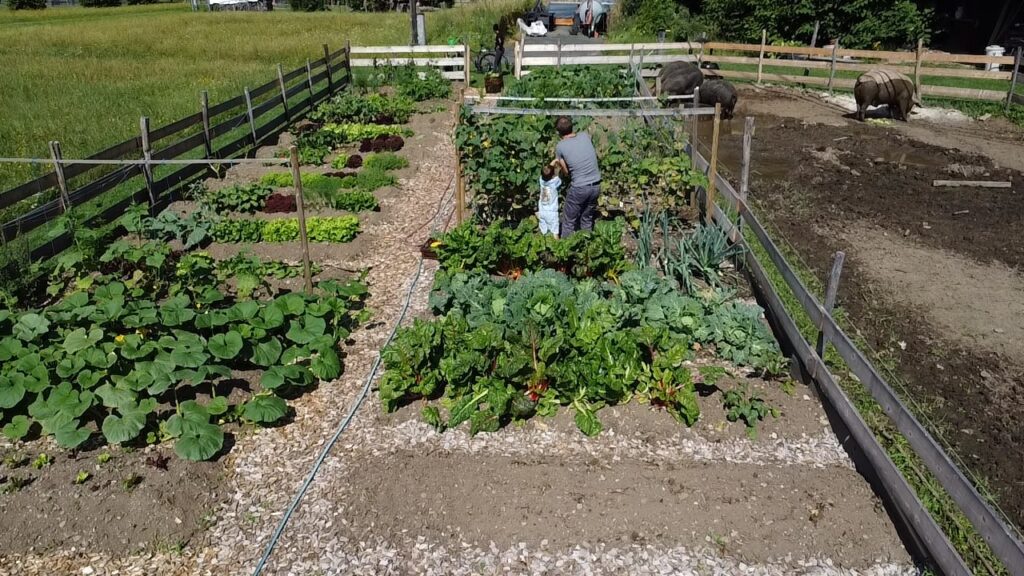
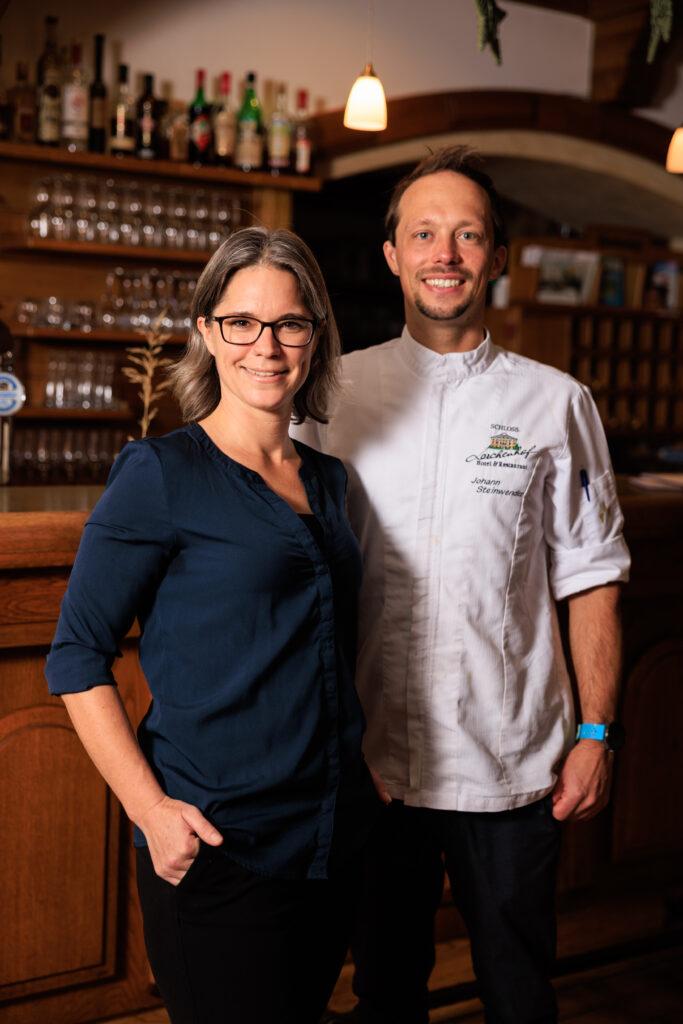
If so, you could visit Johann Steinwender at Schloss Lerchenhof in Carinthia, for example. He and his family lovingly restored the castle—which has been in their family for generations—and run their own farm.
Johann is a trained tourism professional and chef who exemplifies what responsible business practices mean to him in a rather uncompromising way. When talking to him, you quickly realize that it’s not just a marketing gimmick.
“We talk to our guests about nutrition, origin, agriculture, and food quality. Explain where our products come from. And show them what we produce ourselves.” — Johann Steinwender
Inspire, don’t lecture
He explicitly aims not to lecture guests. Rather, he wants to inspire people like you to “take a closer look, smell, taste, and ask yourself what journey a food item has taken.”
And Johann can certainly be direct about it. For example, when it comes to the question of what food is worth to us: People talk a lot about animal welfare, climate protection, regional sourcing, and fair working conditions. However, as soon as food costs more because of these factors, people often quickly lose their willingness to pay.
His approach at the Lerchenhof is to use vegetables from his garden, grains from his fields, and other products from his farm and local producers.
Don’t just visit a place. Get to know the people who live there, too!
For Lee Mylne, too, personal encounters are an integral part of traveling. “I’ve always been the kind of traveler who enjoys connecting with local people. For instance, I love homestays, or staying with local families, and to me, that’s an important aspect of sustainable travel.”