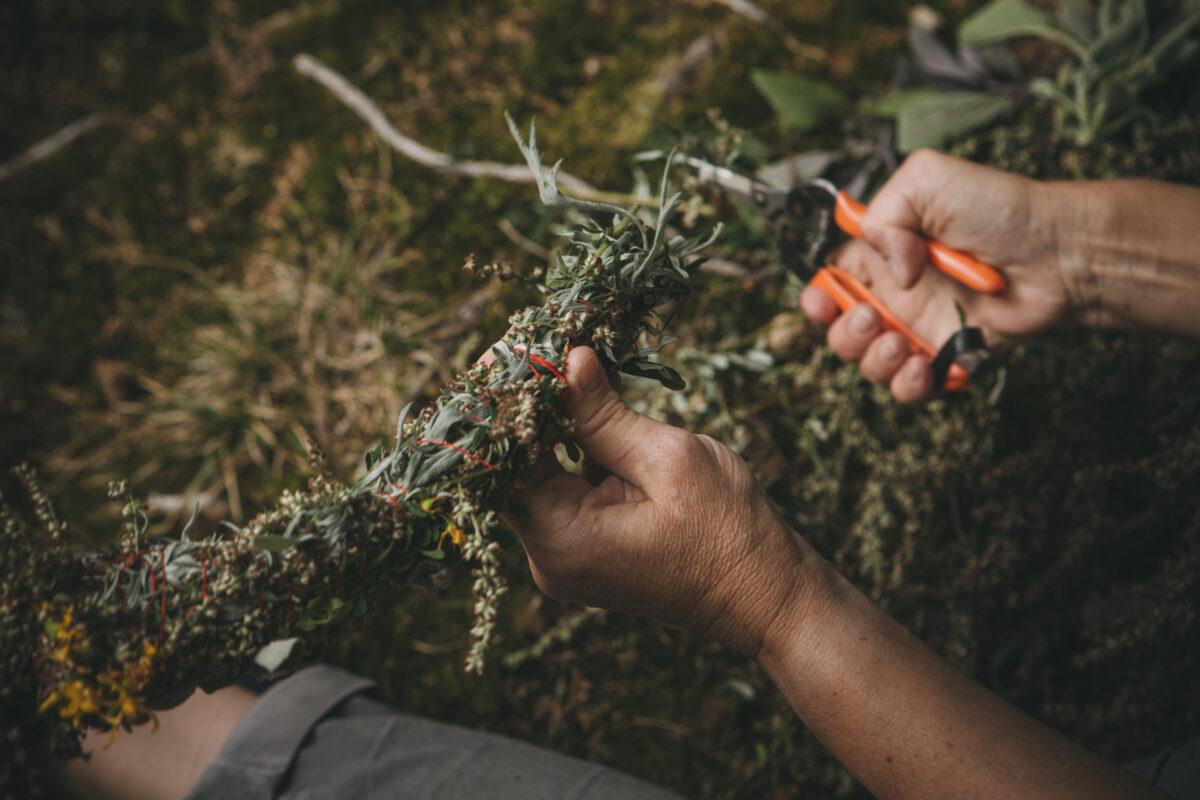
There are many ways to explore the region while traveling. In addition to local cheeses and animals, you can also discover typical plants. Our Green PearlsⓇ partners introduce you to plants that are special to their region and explain why. They will also show you how they use the local plants in their hotel or holiday home.
Typical plants of Italy – from wild flowers to olive trees
Edelweiss

“The “Stella Alpina,” or Edelweiss, is a rare and emblematic flower found in the Alpe di Siusi area around Paradiso Pure.Living. With its star-shaped petals and woolly appearance, it symbolizes the rugged beauty and resilience of the alpine region. Encountering this protected species amidst the majestic peaks is a magical experience that highlights the harmony between humans and nature in these breathtaking landscapes.” – Paradiso Pure.Living
Golden Delicious

“South Tyrol is famous for its delicious apples, which grow in the region thanks to the ideal climate and fertile soil. Our vegan chefs at LA VIMEA make it a point to use the authentic flavors of South Tyrolean apples in their cooking and create fantastic vegan desserts. We only use organic apples from local farmers.” – LA VIMEA
Mountain flowers and wild herbs

“At the ADLER Lodge RITTEN on the Alpe di Siusi, we have a fascinating sea of flowers right in front of our door. With around 790 different species, the alpine flora is a feast for the eyes and the main source of our spa treatments. The nutrient-rich, calcareous soils at the foot of the Dolomites produce a variety of wild herbs and medicinal plants that have been used in folk medicine for generations: In addition to the arnica flower, which stands out in every meadow with its yellow blossoms, wild thyme, verbena, stinging nettle, sheep’s sheaf, lady’s mantle and many other plants rich in active ingredients thrive.” – ADLER Lodge RITTEN
Olive Tree

“Olive trees represent our part of Liguria and grow in the garden of the Relais del Maro. They are perhaps a little less charming than other Mediterranean plants like lavender, but they are symbolic. You can buy preserved olives right here in the village.” – Relais del Maro
Typical German plants – from the sea to the mountains
Juniper berries

“Juniper grows mainly on former pastures. At STURM we use the berries as a spice in sauces (especially for meat specialties). But juniper berries are also used in gin. There is even a juniper hiking trail here in the Rhön” – STURM
Wild garlic

“There is a lot of wild garlic growing in the woods around our hotel. Unfortunately, it is not allowed to pick it (the Naturresort Schindelbruch is located in a protected area in the southern Harz Mountains). It can be used wonderfully in herb butter” – Naturresort Schindelbruch
Silver fir

“The most important tree in the entire Black Forest is probably the silver fir. Contrary to what its name suggests, it is the reason for the Black Forest’s mystical name. In fact, its dark green needles appear almost black from a distance. The name comes from its silver-gray bark. With a height of up to 65 meters, the silver firs around the SCHWARZWALD PANORAMA are as tall as the towers of London’s Tower Bridge, making them among the tallest trees native to Europe.” – SCHWARZWALD PANORAMA
Beach Oats

“Oats and Rye are our green Baltic Sea favorites. They thrive not only on the sand dunes in front of the Lifestylehotel SAND, but also at home on the balcony.” – Lifestylehotel SAND
Apple and Hops
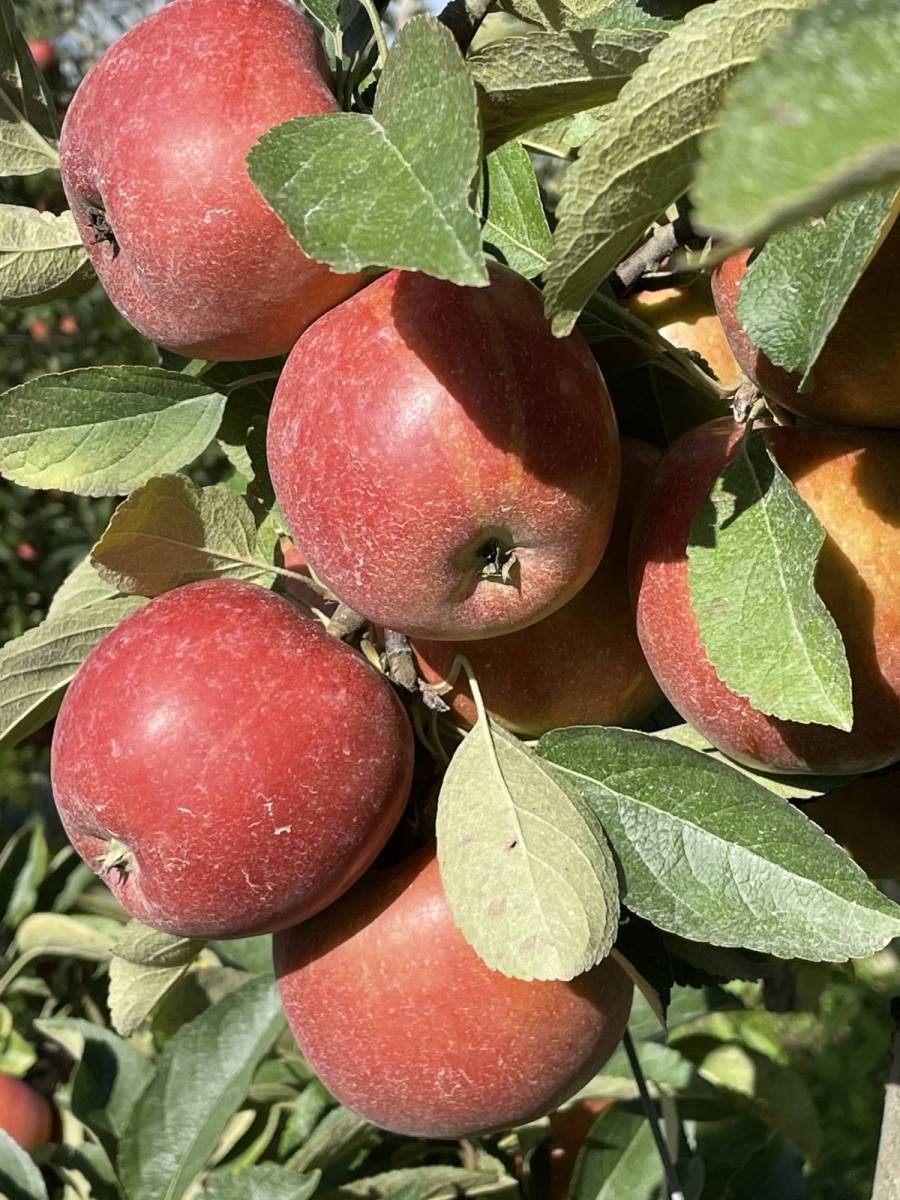
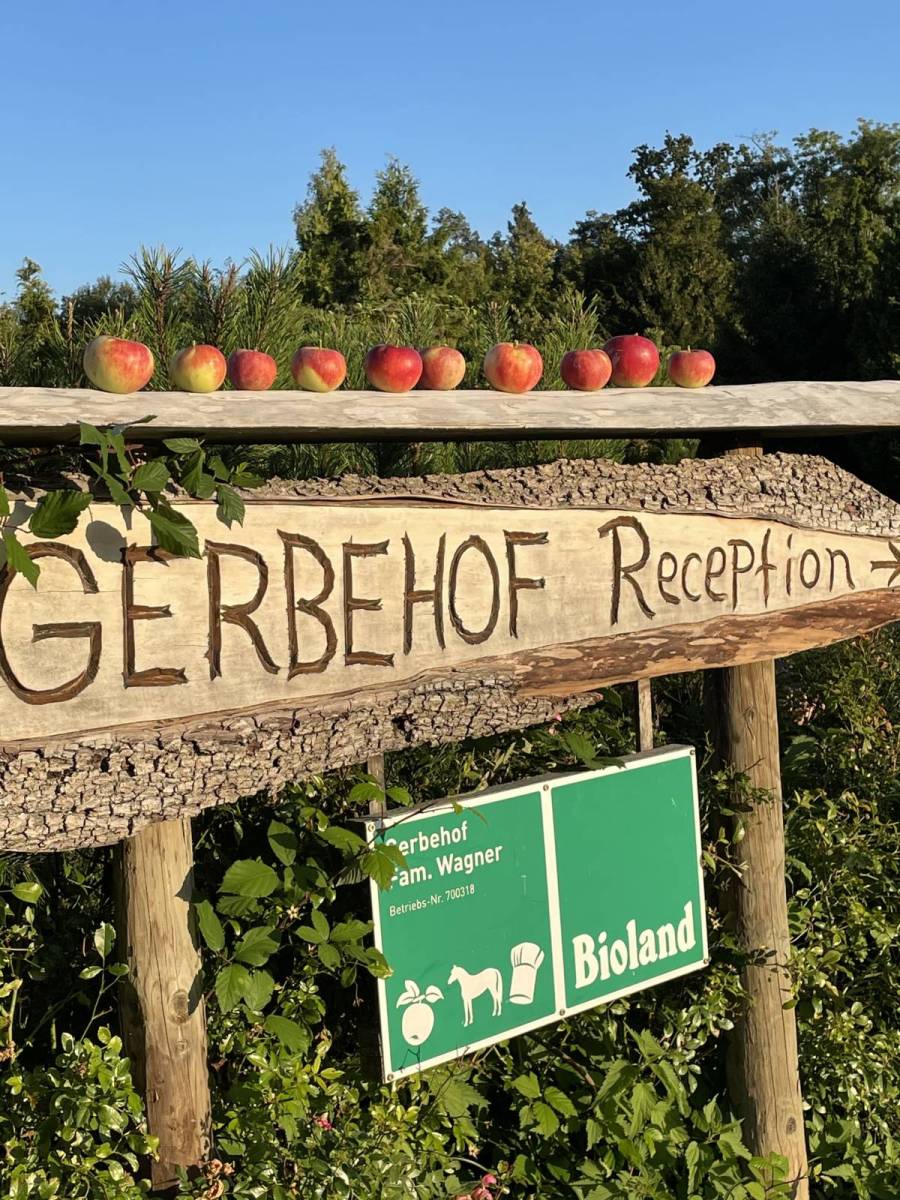

“Ailingen is the largest apple growing area around Lake Constance and the second largest in Germany after the Alte Land. In our organic farm around the Naturresort Gerbehof we have about 22 ha of organic apples and pears. The world famous Tettnang hops are grown just 7 km from us. We have also planted Tettnang hops as a border on our terrace.” – Naturresort Gerbehof
Alpine flowers and dwarf shrubs

“The entire northern alpine flora can be admired here. From 800 m to almost 2100 m, the flora around Hotel Das Rübezahl changes according to the altitude. Our mountain guide Basti always integrates his great knowledge of our flora into his guided hikes through the Allgäu mountains.” – Hotel Das Rübezahl
Allgäu herbs

“The HUBERTUS Mountain Refugio Allgäu is located in the heart of the Allgäu mountains. There are medicinal plants such as yarrow, yellow gentian or silver thistle, but also Europe’s most poisonous wild plant – monkshood!” – HUBERTUS Mountain Refugio Allgäu
Typical Plants of Austria – Basis for Schnapps and Remedy
Stinging Nettle

“The nettle is a real magic plant. It contains a lot of iron (more than spinach) and we use it at Hotel Klosterbräu in strudels, quiches and soups in the spring. The female seeds are a local superfood and taste nutty. You can use them in muesli or salad (if lightly beaten, the seeds will keep for about 1 week in the refrigerator; dried, they will keep for up to 1 year). Nettle decoction helps against aphids, nettle dung is used as fertilizer, a tea extract is good as a hair rinse and as a medicinal tea nettle has a diuretic effect (maximum 3 weeks cure). There are many more uses, from a sexual enhancer to a protective plant. Another reason we value the plant so much is that 68 percent of butterfly larvae feed on nettle” – Hotel Klosterbräu
Wild Cardoon

“Here at Gut Guntrams you can find the wild cardoon. It is an original form of the artichoke. We use it as a decorative plant and as food for birds. We also prepare a delicious appetizer from the buds.” – Gut Guntrams
Yellow Gentian

“In the alpine landscape around our Summit Lodges, you’ll find yellow gentian. Yellow gentian is used to make the famous gentian schnapps, which has long been used in our region as a natural remedy for various illnesses and ailments” – Summit Lodges Pfunds
Typical plants of Switzerland – wild herbs in hay
Hay

“There are a number of flowers that are typical in Zermatt. These include edelweiss, gentian, arnica and alpine roses. As the hay comes from natural meadows, it still contains the essential oils of these medicinal plants after drying.” – Hotel Bella Vista Zermatt
Info: The Hotel Bella Vista Zermatt also sent us the recipe for the Zermatt hay soup. You can read it here.
Native plants in Croatia: Mediterranean delicacies
Grapevines

“Lumbarda, a charming village where the ECO-APARTHOTEL THE DREAMERS’ CLUB is located, is known for its exceptional vineyards. Nestled among rolling hills and terraced vineyards, the village offers a fascinating backdrop for wine lovers and nature enthusiasts alike. Lumbarda is best known for its white grape variety, Grk, which thrives in the characteristic sandy soil and abundant sunshine. Guests of the Aparthotel can take part in guided tours of the vineyards and immerse themselves in the region’s rich heritage. We also have sage, rosemary, olive trees, figs, lavender, cypress and a variety of herbs. Many of these treasures are included in the breakfast offerings.” – ECO-APARTHOTEL THE DREAMERS’ CLUB
Typical plants of Thailand – more than tropical fruits
Butterfly Pea

“Keemala Resort’s “Enchanted Garden” provides nearly half of the vegetables and herbs served daily. Basics of Thai cuisine include basil, chili, galangal, lemongrass and kaffir lime. Seasonal fruits such as mango, rambutan, starfruit, mangosteen, mulberry and breadfruit also grow in abundance, and banana trees bear fruit year-round. The Keemala kitchen team makes blue tea from the blue flowers of the butterfly pea. This is used, for example, to mix the Butterfly Mojito for guests. The special effect: the mocktail turns purple when lemon is added.” – Keemala
Native plants of the Peruvian Amazon
Sangapía (Chamaedorea fragrans)

“All around Inkaterra Reserva Amazónica is the Sangapía (Chamaedorea Fragans), a palm tree whose seeds emit a fragrance so subtle and soothing that only those who have experienced it can remember it forever. This aroma represents the well-being of the pristine rainforest.” – Inkaterra
Want to save this article as inspiration for your next trip? Then feel free to pin it on Pinterest!


