
Today we introduce you to Soraida Salwala, a pioneer of animal welfare, who founded the world’s first elephant hospital in Thailand.
Elephants have always played an important role in Thai culture: they’ve been worshipped as lucky charms, used for transport and riding purposes and today, they’ve also become indispensable in the tourism industry. All too often, however, the gentle giants suffer their entire life from poor working conditions. A while ago, we’ve reported about positive examples of elephant conservation camps in Thailand. Today, it is about a very special institution: the world’s first elephant hospital, located in Lampang, northern Thailand, founded by Soraida Salwala. Even though elephants were allowed for work in Thailand until the end of the last century, for a long time there was no place to treat them in the event of illnesses or injuries.
How do you treat sick elephants?
The decisive factor in Soraida’s desire to build a hospital for elephants was an experience that she had at the mere age of eight: On the road with her father, she watched a truck accident in which an elephant was injured. There was no way to help the animal – neither could it have been transported, nor would a normal hospital have been able to treat the elephant. There was no way to relieve the animal’s pain, so it was shot. Further experiences reinforced Soraida’s desire for an elephant hospital and she was determined to put the vision into action.
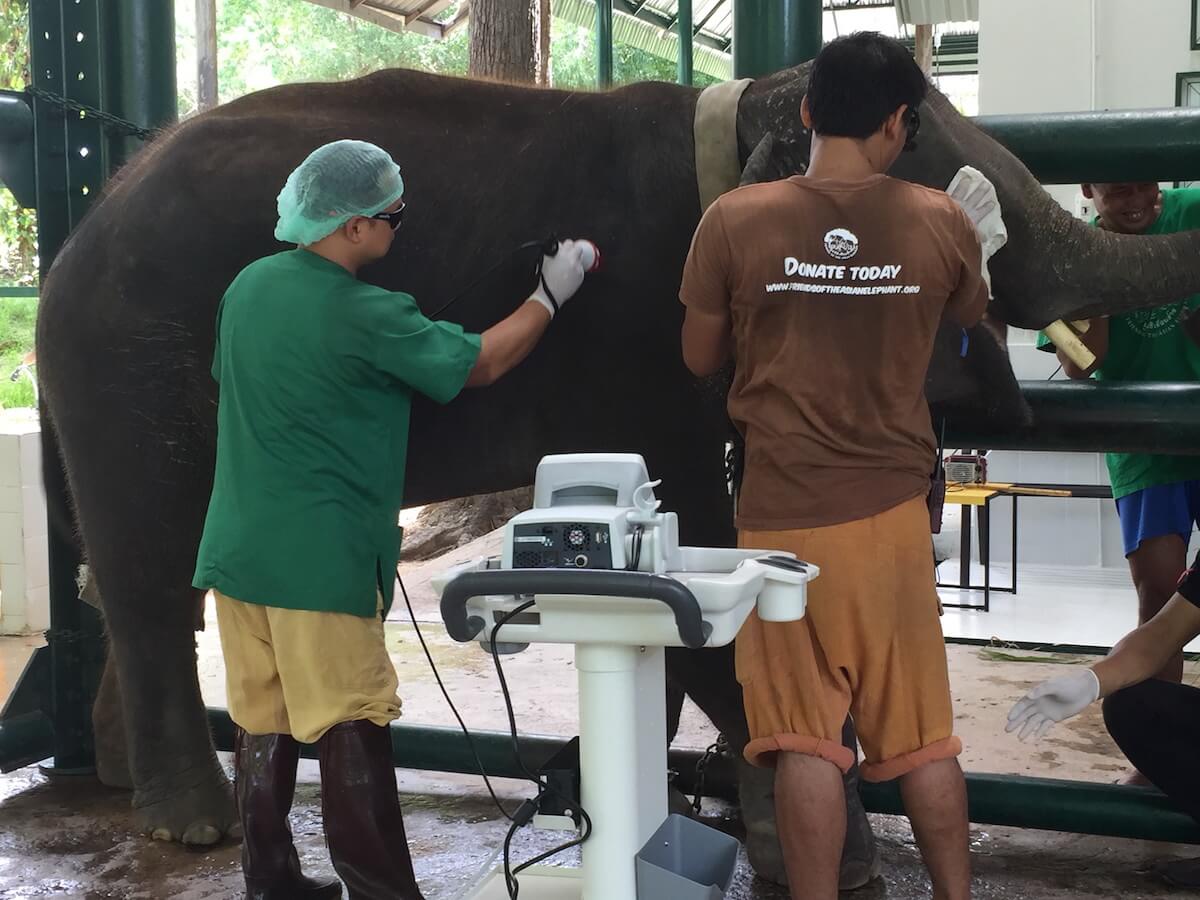
A childhood dream comes true
Together with the veterinarian Dr. Preecha, she finally opened the hospital in 1993. Today, over 25 years later, working alongside Soraida and Dr. Preecha is another veterinarian and 19 nurses and staff at the FAE Elephant Hospital. There are also volunteers and veterinary students from Thailand helping out. Between 1993 to 2011 more than 3,000 elephants were treated, who would otherwise have been left agonizingly dying. But Soraida also says: “This makes me happy but there is so much more we need to do; the situation is desperate. Have a look at “Kamme”, a female elephant in its early fifties was brought to us with terrible injuries caused by the cruel treatment through loggers; on top of this Kamme had been regularly fed amphetamines to make her work longer hours, and now she is addicted to them.”
Between help and rejection
The elephants come from all kinds of backgrounds. This means Soraida and her team have to work with a wide variety of elephant owners, with illegal loggers as well as with unfriendly, suspicious-looking mahouts. An area of tension, because they have a different opinion in most cases than the owners. For the welfare of the animals, they still work together, but they keep making their opinions public – and thus antagonize from time to time.

The spectacular case of the elephant lady ‘Motala’
In 1999, Elephant Lady Motala had been taken to the hospital: she had stepped on a landmine on the border to Burma and lost one foot. The case attracted a lot of attention in Thailand, but also worldwide, and the media, as well as several veterinarians and medical assistants who wanted to help Motala, traveled to the elephant hospital. Besides, donations were made which were used for the operations as well as further care of Motala. Motala was the first elephant ever to receive a leg prosthesis. Without the elephant hospital, she would probably have been shot or euthanized.
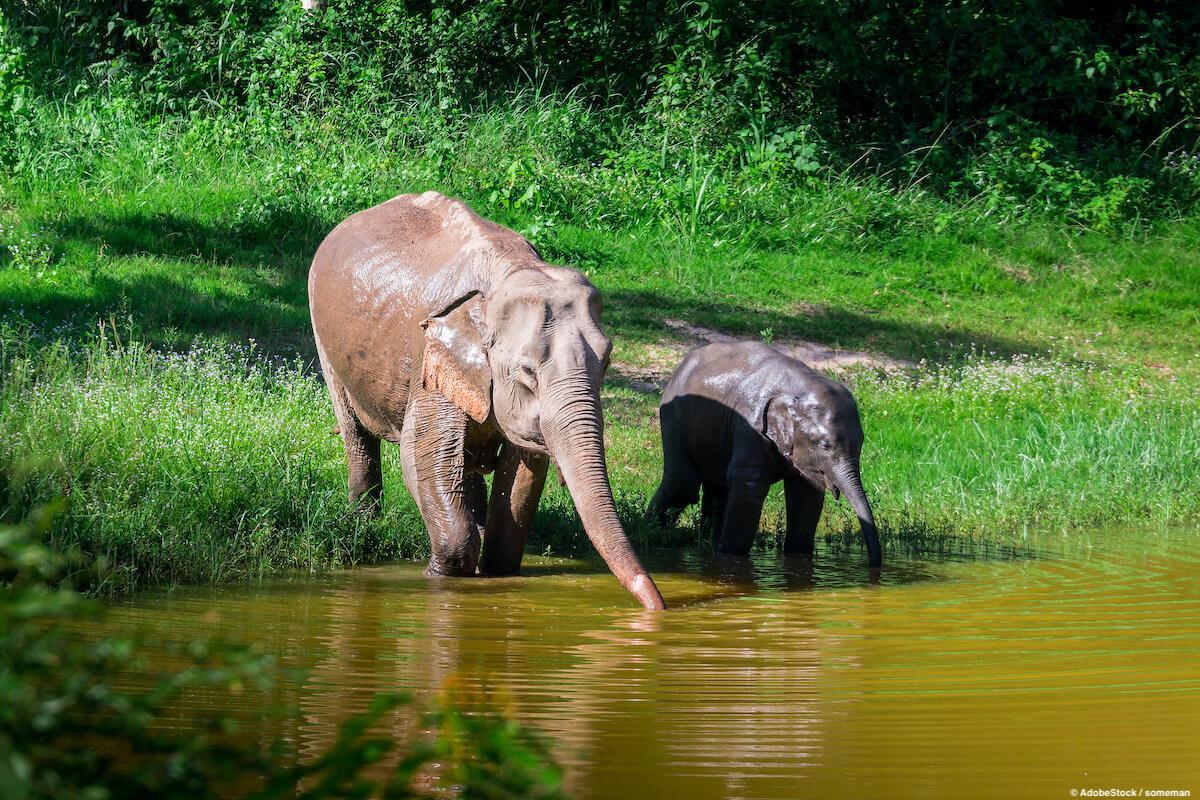
Last home for the pachyderms
The next goal for Soraida is the “Last Home Project”, a piece of land where elephants can spend their old age. With the progressive deforestation of the forests, free habitat for elephants is missing – and with less forest to fell, the loggers need fewer elephants. If the elephants don’t make money with their work, the mahouts will think of something else for the animals to do.
A lifelong commitment to the protection of elephants
Soraida is a true pioneer: Not only was she one of the few women in the animal welfare world when she founded the Friends of the Asian Elephant Foundation and the Elephant Hospital, but also because of the unique idea of the hospital. “There is not a single, simple answer to Thailand’s elephant problems. We do our best and things have certainly got better for elephants, but we know we are up against a tremendous problem. God willing, I will devote my every waking hour to help our elephants,” says Soraida.
Infobox:
While visiting the elephants is allowed and even desired, no close contact and touching are allowed. Nowadays, five long-term patients and up to 15 other patients stay here. The hospital is funded through donations exclusively – one of the biggest challenges for Soraida because the costs are high. If you want to help, you can donate on the website or even sign up for a sponsorship.
Do you like this article? Share it!


2 thoughts on “A heart for animals: Thailand’s first elephant hospital”