
If it weren’t for elephants, Thailand’s culture wouldn’t be the same. For centuries, elephants have been worshipped as symbols of good fortune, used as means of transport or riding animals and today, they also play an important role in tourism. Too often, however, the gentle animals are not shown the necessary respect and have to endure conditions that are far from appropriate. Fortunately, there are elephant sanctuaries, providing a safe home for these animals, campaigning for treating them in an ethical way and allowing visitors respectful encounters.
On the back of the giants
Elephant trekking tours are among Thailand’s most popular tourist attractions. The idea of being carried through the jungle by one of these majestic animals is indeed fascinating. And some of you might already have taken an elephant ride, not knowing how strenuous it is for them. For, elephants are built to carry most of the weight on their heads, not their backs. So, in the long run, elephant riding causes them back problems and injuries. The way of keeping them is frequently criticized in the media, too, as most owners do not know how to keep elephants according to their needs. Often they are chained or beaten and bear lifelong physical and emotional scars.
Respectful encounters with elephants
The Elephant Nature Park Chiang Mai demonstrates that there is another way. Its founder, Sangduen Chailert, also known as Lek, is at the forefront of ethical elephant tourism in Thailand. Since 1990, the park has been providing a sanctuary and rescue center for elephants and takes in distressed animals. And what does this mean for you? Enjoying informative tours and learning a lot about pachyderms, watching happy animals in their natural habitat – and at the same time knowing that you contribute to changing the situation. And if you want to spend more time with the gray giants, you can even take part in a volunteering program.
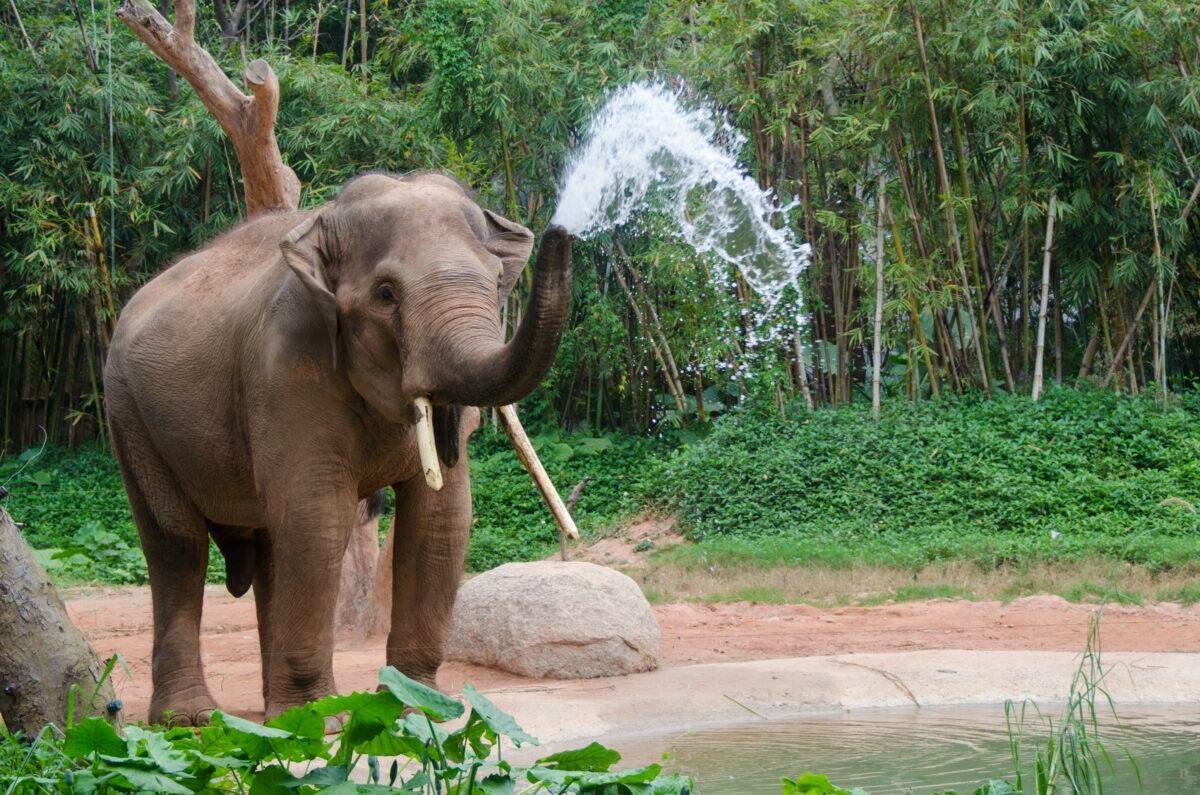
Mahouts and elephants
Elephants are usually the source of income and a kind of old-age provision for traditional elephant guides, also called mahouts. Since their original field of activity, the deforestation of the rainforest, has been banned by the state, they have lost an important source of livelihood. Most of them use their elephants for providing tourism activities or go begging with their animals. Working in elephant camps is often a better alternative for mahouts and their elephants, who would not be able to survive in the wild after years in captivity. Elephant camps are sometimes – and to varying degrees – also committed to elephant protection and offer mahouts special training. For, even if most of them have spent a very long time with their animals and have established very close relationships with them, they often lack basic knowledge on how to keep them according to their needs.
The social aspect
Sangduen Chailert (Lek) from Elephant Nature Park Chiang Mai also takes care of mahouts and their elephants. She supports them by providing medical care for the elephants and sharing her knowledge on keeping them healthy and happy. Of course, in the long run, it would be best to stop keeping them as working animals entirely – even if at first glance this meant that mahouts lose their source of income. That is why Elephant Park Chiang Mai makes a point of supporting local people, providing jobs and purchasing agricultural products locally. So, establishing further sanctuaries could improve the situation for all parties involved.
Happy elephants on Koh Samui
Only recently, a recommendable elephant sanctuary has opened on Koh Samui: a kind of retirement home for elephants who had to work hard all their lives. It is inspired by the work of Sangduen Chailert, who also supports the project. Similar to the sanctuary in Chiang Mai, elephant lovers on Koh Samui can help with feeding elephants and watch the animals bathing, roaming and just being elephants. If you are in search of gentle encounters with animals, it can also be helpful to ask at an animal friendly hotel. Tongsai Bay, for example, exclusively recommends Samui Elephant Sanctuary to its guests.
Do you like this article? Share it!


2 thoughts on “A retirement home for elephants? Elephant sanctuaries in Thailand”