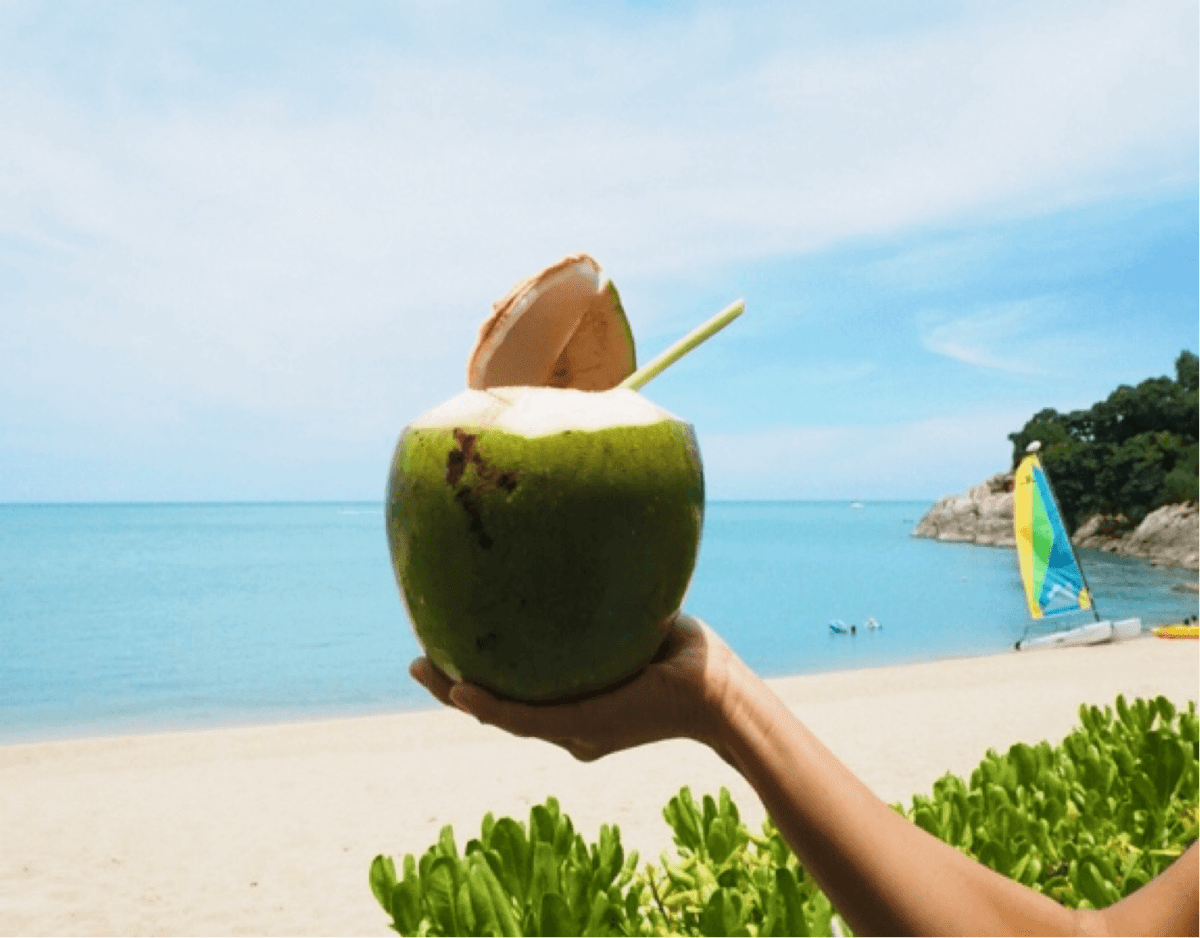
Did you know that in Germany about 80 kg of food per person ends up in the trash every year? This puts a strain on the environment because resources are consumed both in production and disposal. The top priority is to avoid food waste. This works best if you buy with a shopping list and only take what you actually need with you. This is also not always easy for private consumption and even more difficult in our hotels. Get inspired by our Green Pearls® Hotels and learn in our blog how to avoid food waste and, if it occurs, how to recycle it creatively.
Geniesserhotel Die Forelle
To our question to what extent food waste is produced, Hannes owner and chef de cuisine of the Geniesserhotel Forelle answers: “It is — it is not avoidable — but we have made it our principle to reconsider the use of everything we want to throw away. This has already resulted in many cool ingredients”.
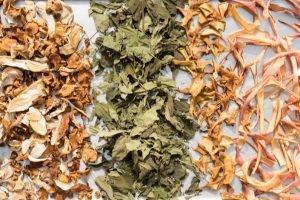
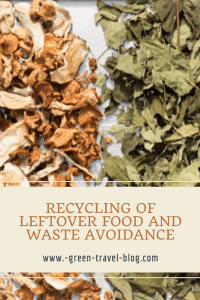
About ten years ago, Hannes decided to be “import self-sufficient”, which means to avoid importing goods as much as possible and at the same time to rethink the “throw-away processes” in the direction of recycling. In the kitchen, everybody is creative and the employees consider alternative use. So, it happened that fruit and vegetable peels, which used to end up in organic waste, are now dried and pulverized for use at the breakfast buffet — and the guests love it! Apples become apple flour for breakfast cereals and the peel of potatoes becomes potato flour; the perfect treat with cream cheese. And so every vegetable residue finds a new purpose and often it is a super decoration – as a powder – for a number of dishes such as a cabbage dish with cabbage dust.
SCHWARZWALD PANORAMA
Thanks to very good planning and optimized processes, hardly any food leftovers are produced in the SCHWARZWALD PANORAMA. The buffet as well as the brunch are timed and organized in such a way that there is less food waste than it is the case with the classic approach. At the breakfast buffet, everything is portioned in wake-up jars. This has the positive effect that the guests don’t take so much, but prefer to go to the buffet more often, depending on their hunger. A further step towards optimization is the adaptation of the processes in the kitchen as well as the selection of the dishes in relation to occupancy. All food is reused wherever possible. For example, boiled eggs are prepared into egg salad and taken home in a leftover box. Food leftovers, which are unavoidable due to hygiene regulations, are still recycled in the organic or food waste bin by fermenting them to biogas.

Tongsai Bay
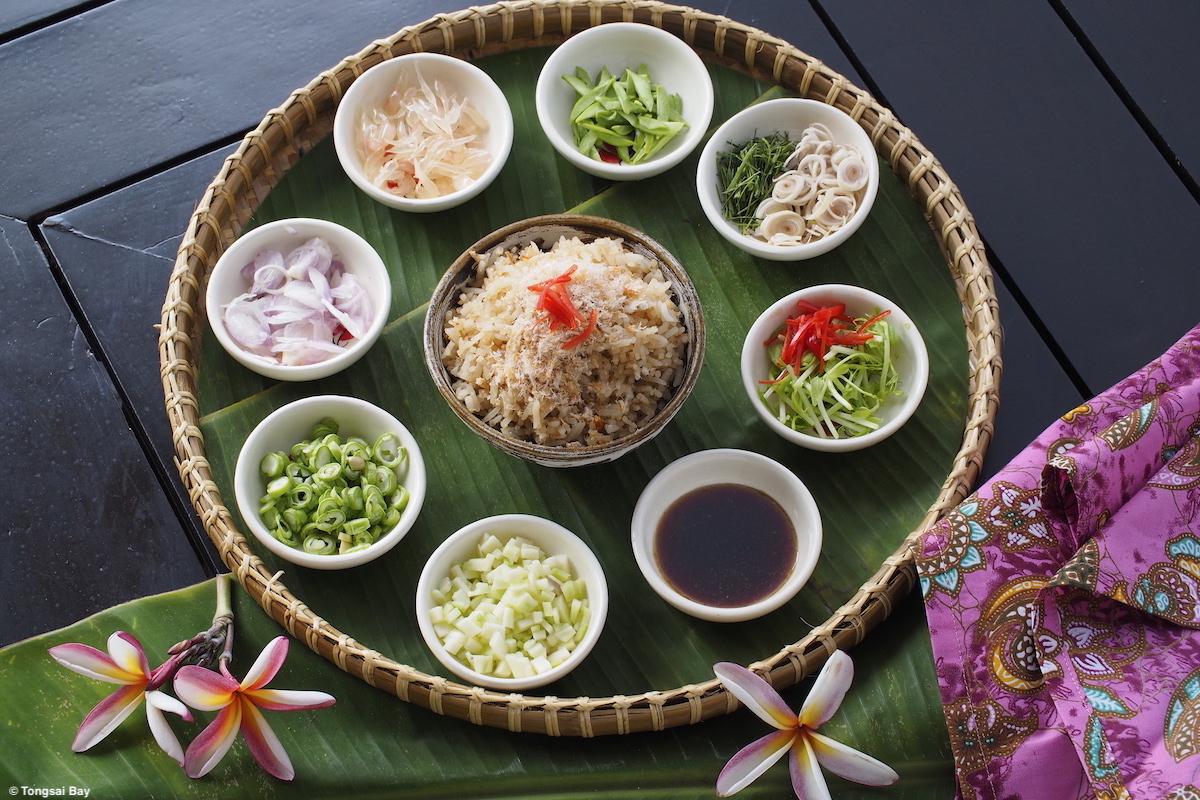
Tongsai Bay on Koh Samui, which has been operating sustainably for 30 years, impressively demonstrates how food leftovers can be put to good use. In the spa, the sediment of the morning coffee serves as a body scrub and makes the skin smooth and soft. The cleansers are made from fermented pineapple peel. Peels and remains of other fruits and vegetables used lemongrass straws and fish bones are also fermented and then used as fertilizer in the organic garden. The food leftovers, for which no further use is found, are given to a pig farm and a dog and cat shelter on Koh Samui.
Biohotel Sturm
The Biohotel Sturm has been a certified organic hotel since 2011 and is also a member of BIO HOTELS and Slow Food Deutschland. Only organic food is used, which comes directly from the Rhön or from surrounding regions such as the Thuringia Forest. Due to organic cuisine, there is hardly any waste. The leftovers from the guests’ plates are disposed of in the organic waste bin, waste that is produced in the kitchen is composted. To avoid food leftovers, small portions are handed out, guests are invited to ask for more at any time.

Inkaterra Machu Picchu Pueblo Hotel
Recycling of used vegetable cooking oil (AVU) produced in the Machu Picchu Pueblo HOTEL. Inkaterra Machu Picchu Pueblo Hotel (IMPPH) and El MaPi, byInkaterra (EM), have installed a great partnership with AJE and the Municipality of Machu Picchu Pueblo. The used oil is processed as a whole and transformed in biodiesel and glycerin which can be used as the base of soap. Besides Inkaterra has promoted the system and plant within the village and invited local restaurants and hotels to participate in this recycling effort, bringing their own used cooking oil to the hotel plant, with great participation, thus avoiding the contamination of the Vilcanota-Urubamba river in which they used to drop it.
Green Pearls® Tipp
We hope we could give you some suggestions. In summary, the first step is the planning and the second the exploitation. One more tip from the author. Fruit and vegetables that are no longer attractive but not moldy can be frozen and used to make a smoothie.
DID YOU LIKE THIS ARTICLE? SHARE IT!


1 thought on “Recycling of leftover food and waste avoidance”