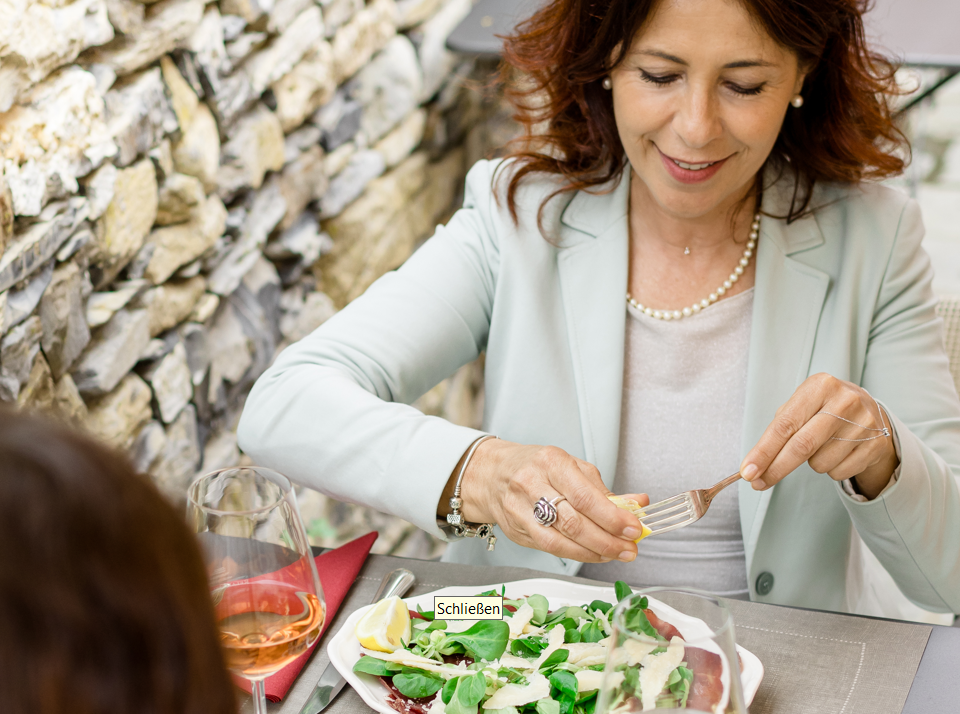
“Italian cuisine is not limited to regional differences. It even varies from village to village,” says Martina Dellerba of the Relais del Maro in Borgomaro. She told us the main things not to miss on a culinary journey through Liguria.
This is the third installment of our Culinary Journey series – a new destination each month.
What are the characteristics of Ligurian cuisine?
The wide variety of delicacies makes Italian cuisine one of the most diverse and complex in the world. Of course, this is also true for the different regions. Liguria is a coastal region in northwestern Italy that is over 300 km long. No wonder they serve a lot of fish. In contrast, vegetables and herbs are the main ingredients in Borgomaro, a small village about 30 kilometers inland from the coast. This is where the Relais del Maro is located.
“In our corner of Liguria we use tons of vegetables. Vegetable pies, handmade pasta with vegetable fillings, stuffed vegetables, baked vegetables, polpettone… We also use aromatic herbs such as thyme, sage, marjoram, rosemary and others”. – Martina Dellerba of the Relais del Maro
5 dishes you must try in Liguria
#1 Focaccia

Focaccia is a thin bread made from wheat flour. People often eat it as an hors d’oeuvre or a snack, pairing it with olives or a caprese salad of tomatoes, mozzarella, and basil.
The special thing about Ligurian focaccia is that it is not as thick as the classic version, but thin and crispy. It is also available with a cheese or herb filling.
#2 Farinata di Ceci

If you are in a Ligurian coastal town like Imperia, you will find farinata di ceci in every bakery, along with focaccia. This is also a type of thin flat bread but made with chickpea flour. Cooks bake it in round trays and serve it as a snack or side dish.
Invention of the Farinata di Ceci
According to legend, chance led to the invention of farinata during the famous naval battle of Meloria. The maritime republics of Genoa and Pisa fought this battle on August 6, 1284, and it is considered the largest naval clash of the Middle Ages. After their victory, the Genoese began their return journey, but some of their ships sustained damage—either from the battle or a storm—causing the barrels of oil and chickpea flour they carried to break. They mixed with the seawater that had entered the ship and formed a dough. It dried and although it did not look appetizing, the sailors were very hungry and ate some. To everyone’s surprise, it tasted delicious 🙂
#3 Trofie al Pesto

Trofie is a type of pasta from Liguria, made with durum wheat from the region. The pasta is short and twisted, which is why it is affectionately known as “the pasta with the twist”.
Trofie al pesto may sound like a simple combination of pasta and pesto, but it’s much more than that. It also includes green beans, potatoes, and pine nuts. It’s a delicious dish, best eaten lukewarm, for example on the terrace of the Relais del Maro 🙂.
Pesto alla Genovese
We should also mention pesto alla Genovese – after all, the most famous of all pesto varieties originated in Genoa! It consists of crushed basil, garlic, olive oil, and Parmesan or other hard cheese (e.g. Pecorino Sardo).
#4 Coniglio alla Ligure

Coniglio alla Ligure is a regional classic. It is rabbit stewed with red wine and herbs. “You can find it in the typical trattorias of our hinterland,” says Martina. She recommends “La Remissa” in Torria, “La Tavernaccia” in Chiusavecchia, and “Da Maria” in Vessalico.
Compared to beef, rabbit meat is considered more sustainable because it requires less feed. Of course, avoiding meat altogether is even better for the climate. There are also big differences in how the animals are raised. Some rabbits are organic and some are factory farmed.
#5 Torta Verde

The Torta Verde is a summer vegetable cake with peas and zucchini. We have already presented its recipe on our blog.
Regional highlight: Taggiasca olives

There are said to be over 500 different varieties of olives in Italy, and each region has its own olive specialties. In Imperia, the most famous variety of olive is the Taggiasca. It is sold both as a snack and for pressing into oil.
On a culinary tour of Liguria, you will find local olives in many dishes, and they are also served as antipasti (much healthier than potato chips, by the way 😉
Tip: During the olive harvest season, there are various tourist events, such as olive markets or opportunities to visit oil mills, etc.
Seafood in Liguria
Fishing has a long tradition in Liguria and you can buy the fresh catch at markets all along the coast. The selection varies according to the season. In winter you can buy mullet and cuttlefish, in summer octopus, sea bream, hake, and small pelagic fish (those that live in large schools and swim close to the surface), while in autumn bonito and mackerel dominate.
In restaurants, you can also find anchovies and shrimp on the menu.
Is it safe to eat fish in Liguria?

Unfortunately, you can’t always assume that the fish in a seafood restaurant is really fresh from the Ligurian Sea. Fish stocks have been declining since the 1990s, and many restaurateurs use imported frozen fish. So it’s best to ask.
If you are interested in the situation of fish in the Mediterranean and the threats they face from climate change, pollution, and fishing, here is an interesting article about biodiversity in the Mediterranean on Riffreporter.
Sustainable accommodation in Liguria: The Albergo Diffuso Relais del Maro
To make your trip to Liguria as sustainable as possible, there are three things you should consider:
- Eco-friendly travel
- Sustainable accommodation
- Sustainable dining with a focus on organic and local products

Our recommendation: The Relais del Maro albergo diffuso in Borgomaro. The albergo diffuso movement was born to save Italian villages from decay. The idea is to turn several empty buildings in a village into a distributed hotel. Elena Scalambrin has done just that. Her 4-star hotel is divided between a main building and several of her family’s historic commercial and residential buildings. This allows you to live authentically among the locals. Thanks to tourism, the picturesque village has been able to keep its bakery, hairdresser, and other shops. Located about 30 kilometers from the coast (Imperia), it is a great starting point for exploring the region.
In a relaxed atmosphere, you can enjoy breakfast with local products overlooking the pool, olive trees, and the church tower. In the afternoon there is tea time with fresh homemade pastries and an à la carte menu of small dishes and snacks is served daily from 5pm to 8pm.
Michelin-starred cuisine in Liguria – The 6 best Michelin-starred restaurants in Liguria
Elena herself is a lover of good food. She has already visited several Michelin-starred restaurants in Liguria and has given us the following recommendations:
- Equilibrio (the restaurant of chef Jacopo Chieppa, who started his career at the age of 16. The “balance” of the dishes is important to him.
- Sarri (Classic Ligurian dishes with a modern twist)
- Vignamare (Seafood restaurant with fantastic ocean views)
- Casa Buono (Sustainable Michelin star cuisine in the hinterland with (preferably) zero-kilometer food“)
- Nove (Creative cuisine with surprising combinations, sensationally presented)
- Balzi Rossi (Elegant restaurant, fish dishes with flower arrangements)
Elena has not yet been to Vignamare, but she is familiar with the current chef’s cuisine, as he previously worked at Nove. She has summarized her experiences at the restaurants in the blog on her website.
“Our region not only celebrates its culinary heritage, but also embraces innovation, sustainability and respect for nature.” – Elena Scalambrin
Save this blog as inspiration on Pinterest!


