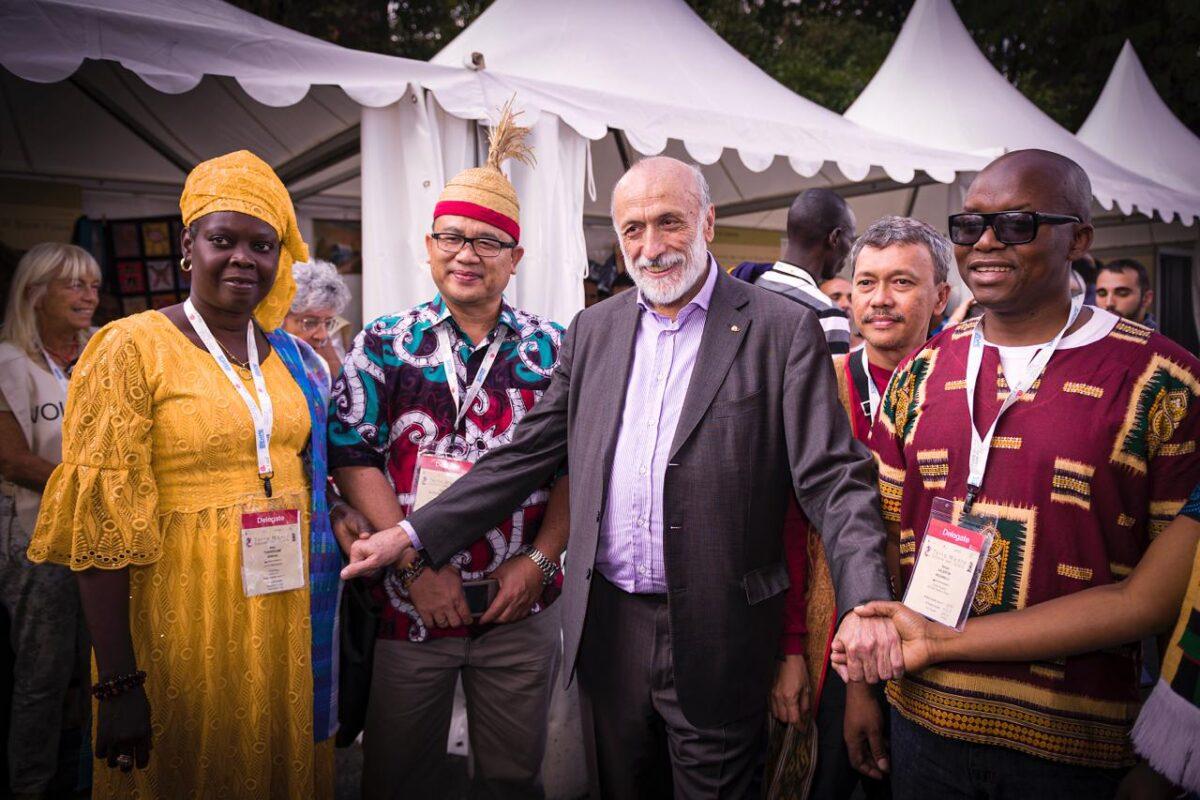
The term “Slow Food” may conjure images of long hours spent cooking and enjoying leisurely meals. However, Carlo Petrini, the founder of the global movement, had something else in mind. “We founded Slow Food with the goal of preserving our extraordinary culinary heritage.” We discussed how this relates to agriculture, fair food prices, and your next vacation with Slow Food Italy and the Green Pearls® network.
Born out of protest: The history of the Slow Food Movement
In 1986, Italy’s first McDonald’s opened on the Spanish Steps in Rome. Carlo Petrini and his friends organized a protest featuring a banner that read, “Slow Food – Fast Food,” and handed out pasta to passersby.
Now, pasta isn’t a dish that takes hours to cook, nor is it labor-intensive. However, that’s not the point. Pasta is a traditional Italian dish deeply rooted in regional wheat cultivation and local food culture.
The goal: to protect food diversity and the related economic sectors
As Carlo Petrini explained in a 2007 interview on the Slow Food YouTube channel, his goal has always been to preserve the diversity of food cultures and counteract the global homogenization brought about by fast food. After all, every food has a story: farmers with their traditions, regional livestock breeds, fishing methods, and knowledge passed down through generations. Petrini described this as an “extraordinary heritage of humanity.”
In the 1990s, the Slow Food movement realized that the issue extended far beyond individual foods. Entire communities and economic sectors depend on these foods, and their existence can be threatened by the loss of traditional products and production methods.
A counterweight to globalization
In an article from May 2026, Edward Mukiibi, who took over as president of Slow Food in 2022 and met Carlo Petrini when he was a young farmer from Uganda at the Terra Madre meeting in Turin, describes the latter’s influence as follows:
“Slow Food has helped change our perspective. Farming is not an insignificant activity reserved for those with no other options; rather, it is a modest and dignified profession. An indispensable profession because food is one of humanity’s most basic needs.”
Mukiibi views the global Slow Food movement as an important counterbalance to globalization, which increasingly standardizes food and food cultures.
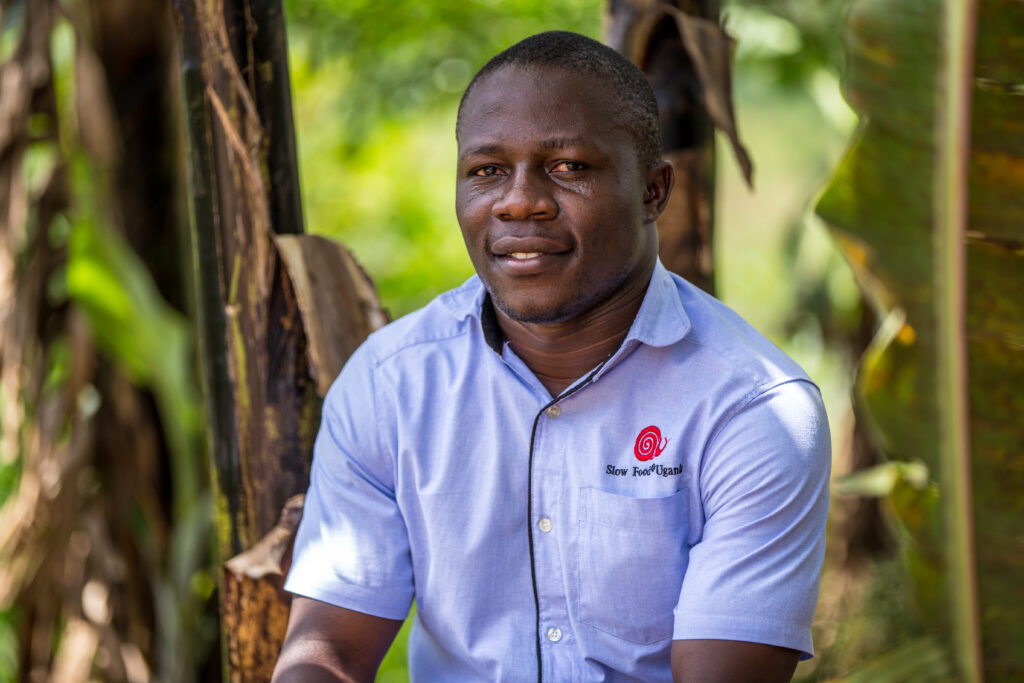
“All over the world, there are communities defending their food, their land, and their cultures.” — Edward Mukiibi
The Slow Food network has expanded to 160 countries, boasts over 80,000 official members, and estimates that it has influenced over one million people worldwide.
“We are a grassroots movement, not a certification program.”
Yvonne from Slow Food Italy explains that the Slow Food movement is one that anyone can participate in. No matter what you’re cooking, whether it’s a quick pasta dish or an elaborate meal, it’s about what and where you buy: local products from regional producers and weekly markets instead of imported goods. And of course: cooking from scratch instead of using prepared products.
As with a vegan diet, you can decide for yourself if you want to follow the principles of the Slow Food movement. And you don’t have to be an official member to do so (though of course, you can become one). “We’re not a certification body,” Yvonne emphasizes. Restaurants or hotels that want to participate in the movement can join a Slow Food project. However, the movement is primarily driven by dedicated individuals and local communities.
Take Giuseppe Schimmenti, the chef at ADLER Sicilia, for example. In line with the 1986 “Pasta Action,” he uses only ancient grain varieties that have been cultivated on his home island of Sicily for generations. Read more about this in his maltagliati recipe and in our article about a culinary journey to Sicily.

Slow Food Travel: travel leisurely and savor every moment
One of the projects Yvonne refers to is Slow Food Travel. The Austrian Schloss Lerchenhof, a member of the Green Pearls® network, was one of the founding members of what is now the world’s first Slow Food Travel Region. Located in the southwest of Carinthia, it includes the Gailtal, Lesachtal, Gitschtal, and Weissensee regions.
We talked with host and chef Johann Steinwender about what this actually means and why he gave up an international career in fine dining for his beliefs.
Slow Food Travel: An entire region becomes a Slow Food destination
The Convivium Slow Food Alpe Adria was founded in Carinthia in 2015. A Convivium is a regional community within the Slow Food movement. This development resulted in the world’s first Slow Food Travel project, connecting the hotel industry, gastronomy, agriculture, and tourism.
The idea: Give travelers the opportunity to learn about regional foods and how they’re produced. To this end, farms, restaurants, and lodging providers are collaborating. Producers open their doors, host workshops, and demonstrate how they make their food.
At Schloss Lerchenhof, for example, you can learn about the traditional process of making Speck, from salting to aging, at the three-day workshop “The Fascination of Bacon.” Other regional businesses offer insights into beekeeping, ice cream production, and beer brewing.

It was not easy to establish a viable connection between agriculture, gastronomy, and tourism.
What sounds like a logical idea today was met with skepticism at the beginning.
“It wasn’t obvious at first how to inspire agricultural businesses to embrace this new combination of agriculture, gastronomy, hotels, and tourism,” Johann remembers.
However, with the support of the regional tourism association, a community gradually emerged in which producers, restaurateurs, and hoteliers now collaborate more closely than ever before.
Best practice: From the world of fine dining back to the family farm.
Johann Steinwender is the chef and host of the family-run Schloss Lerchenhof hotel in Carinthia. Before taking over the hotel’s kitchen in 2014, he worked in various places around the world, including Hauben- and starred restaurants.
One particularly formative experience was his time in South Africa. Over a long period of time, he experienced the stark contrasts between poverty and wealth firsthand. He became keenly aware of how different people’s living conditions can be with regard to basic necessities like food and water. “These experiences have changed my attitude toward food and cooking,” he says.
Although he still appreciates the handcrafted precision of fine dining, he began to question its priorities. “I wanted to take a different approach, one where the product itself, not effects or prestige, is at the center.”
Then, an opportunity presented itself when his father called and asked him to come home and take over the kitchen. His father gave him free rein, allowing him to implement his vision of zero-kilometer, natural cuisine.
First the harvest, then the menu
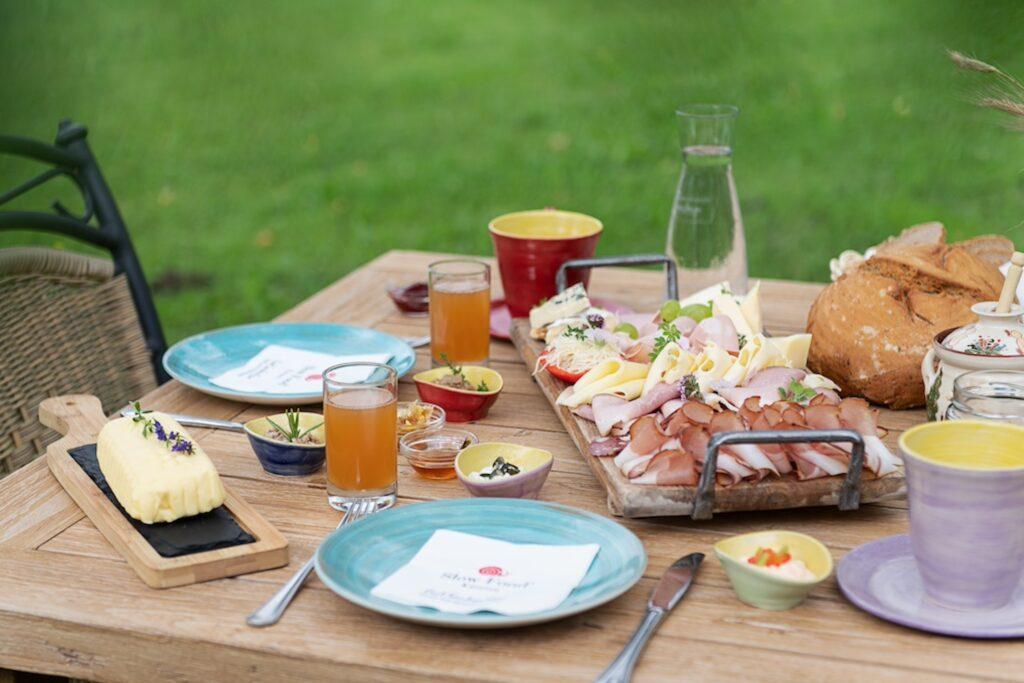
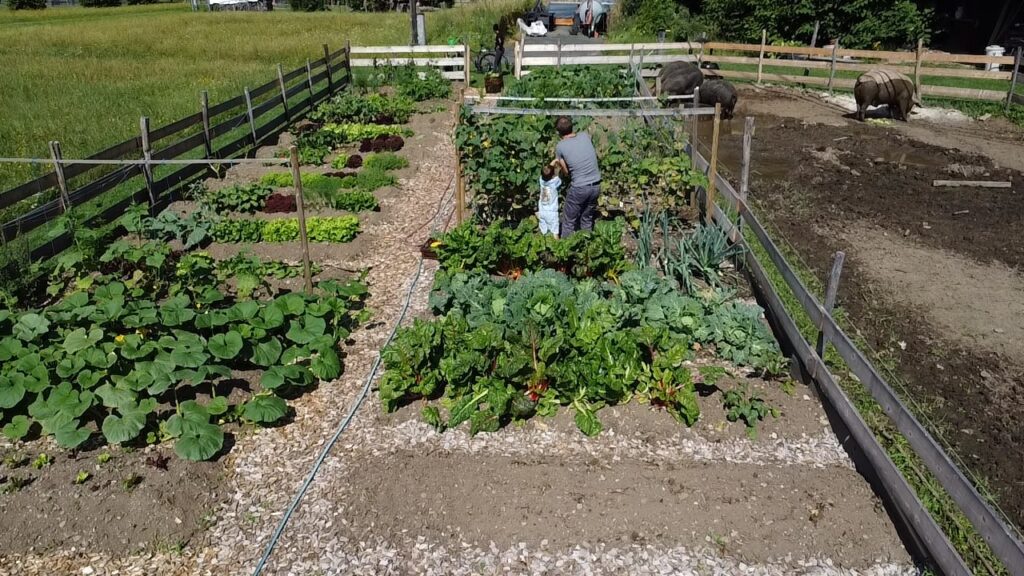
Today, Schloss Lerchenhof is a hotel, restaurant, and farm all in one. The property’s garden provides vegetables, its fields provide grains, and its farm and processing facilities provide meat. The selection is rounded out with food from regional producers.
“I find it much more exciting to see what’s ready to be harvested in the garden in the morning, which products are currently available, or what a producer can deliver in excellent quality — and then develop a dish or a menu based on that.” —Johann Steinwender
He takes a particularly critical view of the use of industrially processed foods in professional kitchens.
“We’re learning a craft. We’re getting to know products, techniques, flavors, and craftsmanship. If, in the end, none of that remains, this profession loses a significant part of its dignity and meaning for me.”
Consumers’ willingness to pay for regional and organic products leaves much to be desired
His criticism is also directed at us, the consumers. We talk about animal welfare, fair working conditions, and locally sourced food. However, according to him, as soon as these standards result in higher prices, people’s willingness to pay often disappears.
People are willing to spend a lot on smartphones, cars, and subscriptions. Yet, when a liter of high-quality cow’s milk costs more than €1.50, people quickly ask if farmers are charging too much. “To me, something is fundamentally wrong here.”
Therefore, at Schloss Lerchenhof, Johann tries to make his guests more aware of the value of food.
“For me, Slow Food doesn’t mean going back to the past. It means rediscovering the value of food—and using that to shape a responsible future.” —Johann Steinwender
Slow Food in Piedmont: Back to the Roots
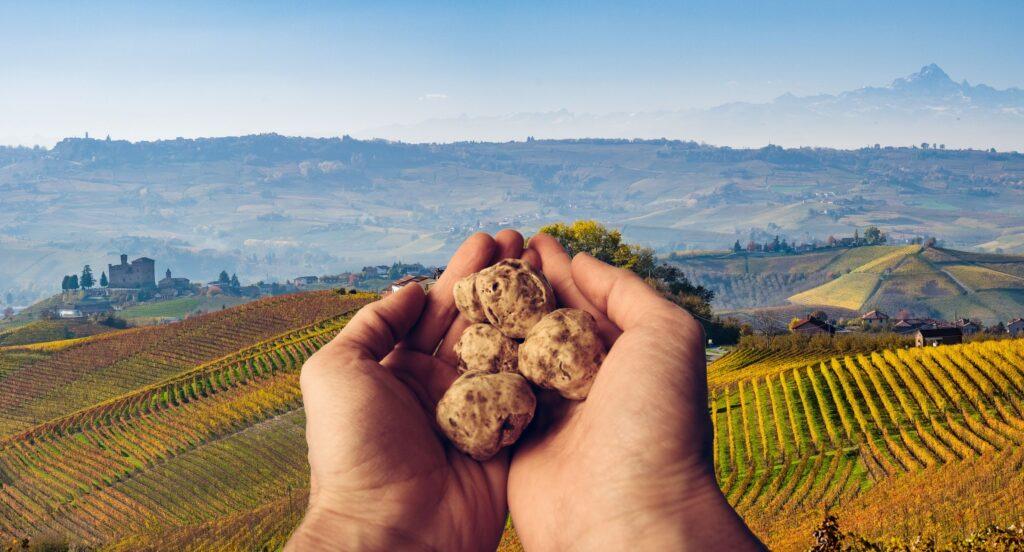
Those interested in the origins of the Slow Food movement should visit Piedmont, an Italian region. Bra is still home to the movement’s headquarters today. The surrounding Langhe and Roero regions are known for their traditionally grown wines, hazelnuts, cheeses, and white Alba truffles.
Irene and Roberto Biancotti, the owners of the Green Pearls® vacation rental Rocche di Montexelo, frequently see firsthand how much this movement has shaped the region.
“The influence of the Slow Food movement is very evident in our region,” report the hosts. Many of their guests come expressly for the culinary traditions and wine culture of Piedmont.
Therefore, Irene and Roberto love recommending visits to small food producers, wineries, and traditional restaurants. They particularly recommend Pollenzo in Bra. Carlo Petrini and Slow Food founded the University of Gastronomic Sciences there in 2004.
Here, gastronomy is explored from various perspectives, including agricultural production methods, the cultural significance of food, and ecological and economic issues.
For Irene and Roberto, meeting the people behind regional specialties is an essential part of a successful vacation in Piedmont.
“We believe that this is one of the most beautiful ways to experience Piedmont: to taste the region and meet the people who produce what makes it so special.” — Irene and Roberto Biancotti
Slow Food at Hotels: Three more examples from the Green Pearls® network.
For the past 40 years, the Slow Food movement has shaped culinary trends and entire destinations. At the same time, hotels and restaurants interpret the concept in unique ways, making each “Slow Food Hotel” different.
STURM: Organic kitchen and garden in the Rhön

The STURM in Mellrichstadt is listed in the supporter network of Slow Food Germany. The hotel primarily uses food from certified organic production and is ABCERT-certified.
One notable feature is the large snack garden located directly on the hotel grounds. Here, guests can discover and sample various edible plants. Ingredients from the garden are also used in the hotel kitchen.
Moreover, the open kitchen concept enables guests to observe the preparation of their meals and converse with the chefs.
SANDnature and SANDglow: Local products served for breakfast

Not all hotels that operate according to Slow Food principles are officially part of the movement. At the SANDnature on the Baltic Sea and the SANDglow in Husum on the North Sea, collaboration with regional producers is particularly evident during breakfast.
For instance, the hotels source eggs from a local farm, cheese from a nearby dairy, and freshly baked goods daily from a local bakery. The honey at the SANDglow comes from a neighboring private apiary.
The selection of fruit varies by season, according to hostess Juliette Muller. Strawberries are available in the spring and early summer, cherries in July, and later on, apples, plums, damsons, and pears. In October, pickled pumpkins are featured on the breakfast buffet.
Paradiso Pure.Living: Slow Food, but vegan

The Paradiso Pure.Living Vegan Hotel, located on the Seiser Alm in South Tyrol, offers an entirely plant-based cuisine. While the hotel does not officially affiliate with the Slow Food movement, it considers its culinary approach to be part of the philosophy.
This highlights an important point: Slow Food does not prescribe a specific dietary approach. Dishes with animal products, like those at Schloss Lerchenhof, and fully plant-based dishes can both be considered Slow Food. The important thing is that the ingredients are regional, support local producers, and represent the local culinary culture.
Conclusion: Slow Food and Travel
Slow food and travel go together perfectly. In fact, they complement each other so well that you can sample regional specialties in every country instead of eating a Big Mac that tastes the same everywhere!
Is pizza slow food or fast food?

Finally, we asked Slow Food Italy one more question: Is pizza slow food or fast food?
Alessia Pautasso of the Fondazione Slow Food ETS did not want to commit to a specific position on the matter.
“As with any dish and any recipe, pizza depends on the ingredients used—as well as on all the producers involved and the pizza makers. You can’t make a blanket statement like ‘fast or slow.’” — Slow Food Italy
So, what do you think? Is pizza “slow food” or “fast food” to you? Let us know in the comments!