How many souvenirs have you bought or given as gifts that just ended up gathering dust? Maybe a mini Eiffel Tower “made in China,” a fridge magnet, or other vacation knickknacks that you only display out of politeness? According to an Opodo survey, 97% of tourists buy travel souvenirs. However, not all souvenirs add value or truly tell a story about the country they come from. We’re taking a critical look at souvenirs and showing you how to do better!
Why can souvenirs be problematic?
According to a 2025 report by WWF Switzerland, millions of seahorses are killed every year to make souvenirs. This occurs even though they are listed as “vulnerable” on the Red List. Additionally, customs officials confiscate many other exotic souvenirs each year, including coral jewelry, reptile leather goods, carvings made from rare woods, and ivory.
Bringing back sand and seashells as souvenirs from your vacation isn’t a good idea either, as we explain in more detail in the linked Insights..
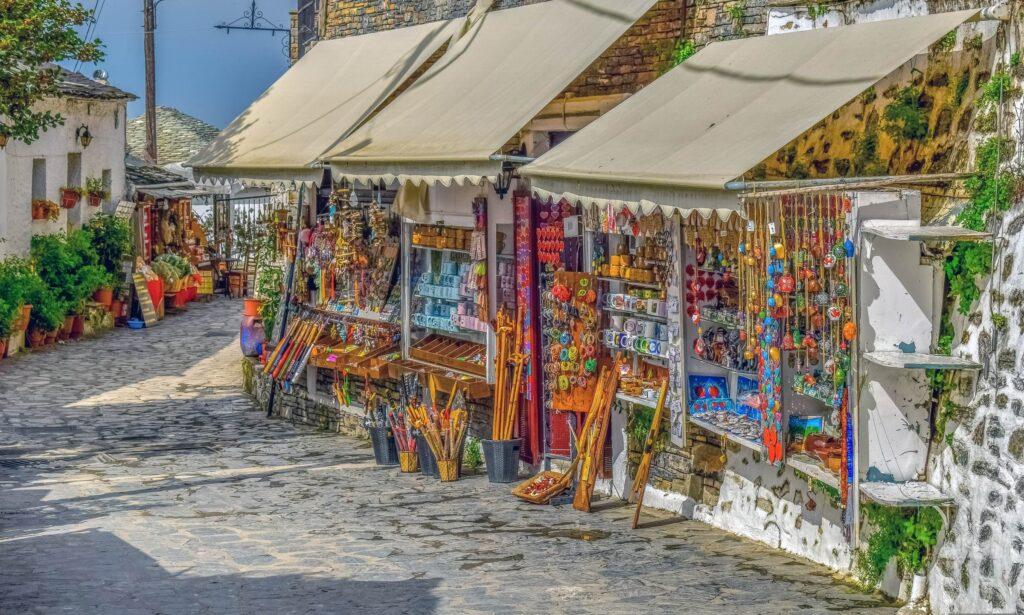
Apart from these protected natural materials, most souvenirs are now made of plastic and produced as inexpensive, mass-market goods. This increases global plastic waste and shifts production to factories in the Far East. As a result, local people at the holiday destination no longer participate in making these products; only the vendors benefit financially.
That’s why edible souvenirs are (often) better
Instead of accumulating more things, we suggest the following: Buy edible souvenirs! This way, you’ll spare your loved ones (and yourself) the hassle of wondering whether they’ll like the gift or where they’ll put it. What if they don’t like the taste? At least it’ll eventually be used up and won’t sit in a closet forever.
By the way: According to the 2026 Hilton Trend Report, edible souvenirs are all the rage. This concept is exactly what “grocery store tourism” is all about: immersing yourself in people’s everyday lives and experiencing the “taste of the country.”
Are edible souvenirs automatically sustainable? Of course not. The aforementioned WWF article also discusses problematic foods, such as sturgeon caviar and bone wine. However, many foods are locally sourced and classified as sustainable by organizations such as the Federal Center for Nutrition.
We’ve asked around in the Green PearlsⓇ network of accommodations and are pleased to present some edible souvenirs that are truly local, handmade, and crafted using regional ingredients.
Ideas for food souvenirs to bring back from vacation
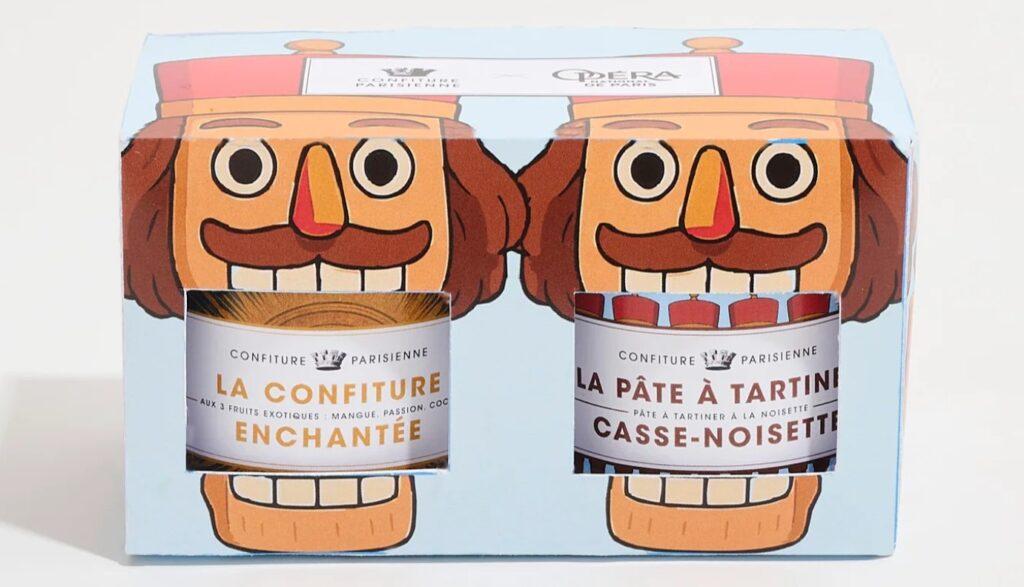
#1 Jam from Paris and the Baltic Sea
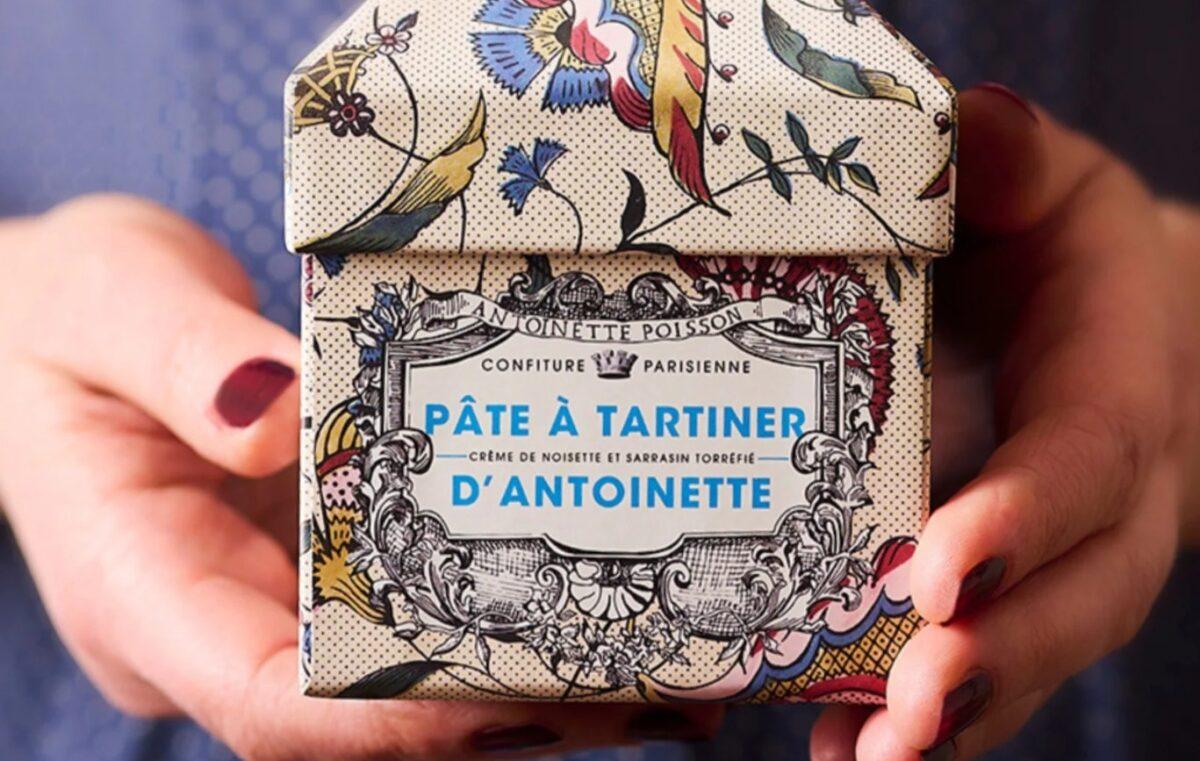
Located in Paris’s 12th arrondissement, “Confiture Parisienne” makes jams the old-fashioned way, using copper pots and traditional methods. Among their ingredients are French beet sugar and fruit, with no artificial additives.
You can purchase the jams directly from the Paris flagship store or from select concept stores.
They’re making preserves on the Baltic Sea coast, too: At SANDnature in Timmendorfer Strand, breakfast chefs Franz and Elvis prepare homemade jams — including, of course, sea buckthorn jam. These small orange berries are characteristic of the German coast and will bring the vacation feeling right home with you.
Parisian honey from the city’s rooftops
But first, let’s go back to Paris. Another sweet—and perhaps unusual—souvenir is honey from urban beekeeping. Paris hosts beehives on the rooftops of iconic buildings such as the Opéra Garnier and the Musée d’Orsay, where beekeepers raise bees and produce honey. Thanks to the city’s diverse vegetation, this honey is especially aromatic.
The Hotel Le Pavillon Paris supports a beekeeping project in Provence and receives its own honey in return, which the hotel serves at breakfast. This small boutique hotel in the 7th arrondissement is a hidden gem, by the way. Located right in the heart of the city (within walking distance of the Eiffel Tower, the Seine, and other attractions), it boasts a lush courtyard that makes it a true oasis of calm.
#2 Honey from the Green Pearls® Hotels
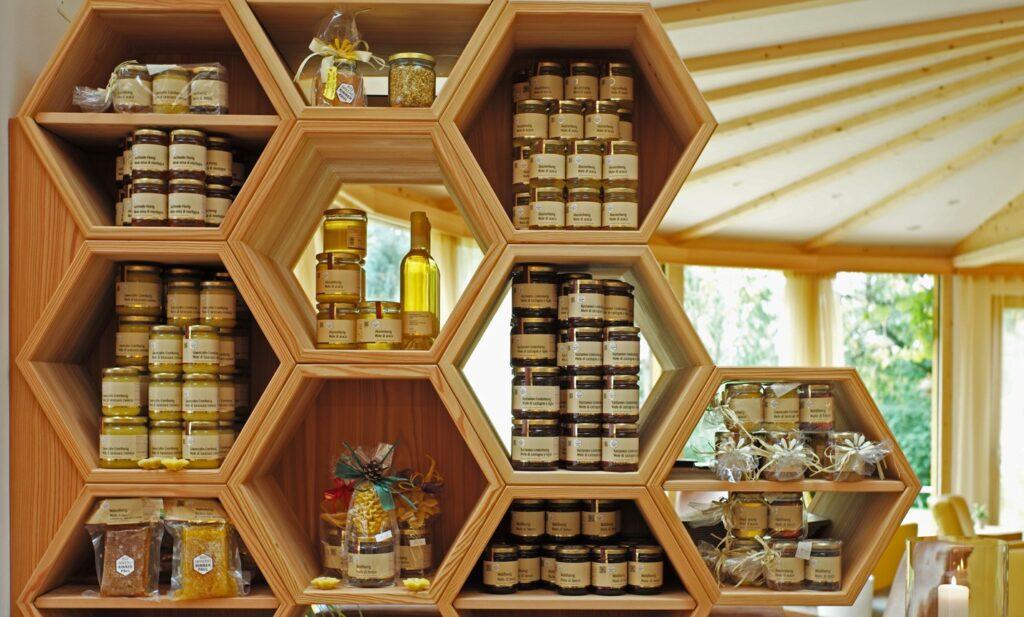
Honey is one of the most popular edible souvenirs. Many hotels now partner with local beekeepers or maintain their own beehives.
The APIPURA hotel rinner in South Tyrol is particularly well-known for this; its senior manager is a passionate beekeeper (and hiker). Much of what the hotel offers revolves around bees, from the honey buffet and honeycomb-inspired décor to the “Api-Wellness” treatments that use air from the beehive. The hotel shop offers a complete selection of Bioland-certified organic honeys. According to the Rinner family, who run the hotel, comb honey is a particularly popular souvenir.
Since producers do not centrifuge or heat comb honey, many people regard it as especially natural. Beekeepers remove the honey-filled combs directly from the hive, and people can eat them immediately, including the beeswax.
Other Green Pearls® hotels also offer their own honey or products from local beekeepers:
- Hotel Klosterbräu, Seefeld, Tyrol (Austria)
- Schloss Lerchenhof, Carinthia (Austria)
- SCHWARZWALD PANORAMA, Bad Herrenalb (Germany)
- Hotel Weihrerhof, South Tyrol (Italy)
- Hotel Das Rübezahl, Allgäu (Germany)
- Hotel Luise, Erlangen (Germany)
Im SCHWARZWALD PANORAMA stammen die Produkte beispielsweise von Imker Karl Nofer, dessen Bienen den Naschgarten des Hotels bestäuben.
Can honey combat the decline of bees?
The trend of hotels producing their own honey and keeping their own beehives emerged around the time of widespread media coverage of the decline of bee populations. The fact that more people have since become interested in beekeeping, flowering areas, and bee-friendly gardens is generally viewed positively by many conservation organizations, such as nabu.
At the same time, a clearer distinction has emerged: the honeybee is now considered a domesticated species, and its population remains relatively stable due to beekeepers’ care. However, wild bee species are under much greater pressure in many places due to a lack of habitat and food. Therefore, projects such as natural hotel gardens, diverse flowering areas, and the avoidance of pesticides can be particularly beneficial to wild insects.
#3 Homemade Syrups from the Alps

At the Naturhotel Outside in East Tyrol, Sepp Ganzer, the senior manager, makes his own syrups—using ingredients like lavender, elderberry, meadow sage, yarrow, stinging nettle, and peppermint. They’re perfect for making summer lemonades that bring the taste of the Alps right to your home.
At the Hotel Bella Vista in Zermatt, homemade syrups are among the most popular souvenirs. The hotel also offers homemade fruit bread, which makes a great souvenir.
Another place that makes syrups is the Hotel Weihrerhof in South Tyrol. Their elderflower syrup is particularly popular. The hotel even shared the recipe with us! You can find it here: Elderflower Syrup from the Hotel Weihrerhof.
#4 Schüttelbrot from South Tyrol
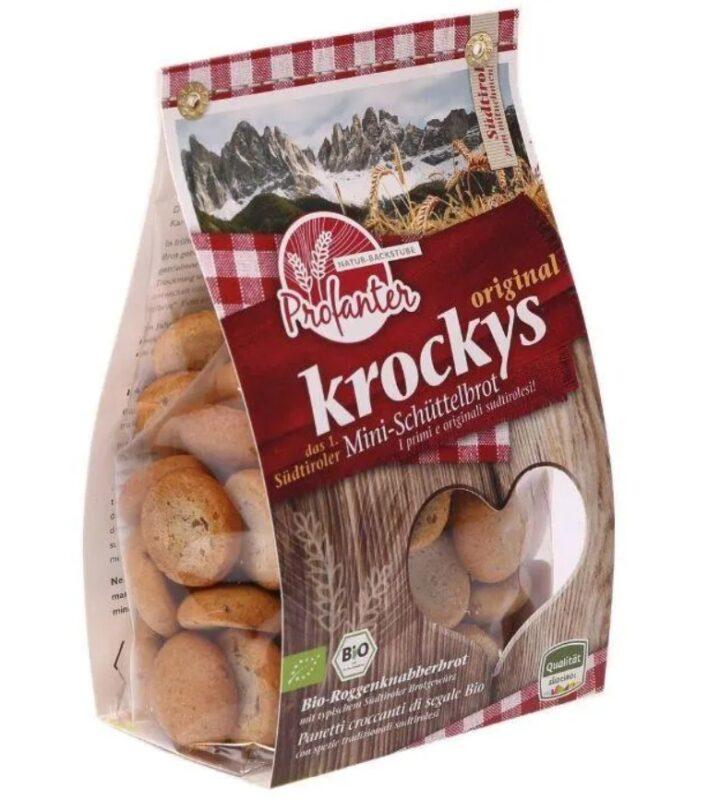
Crispy, spicy, and long-lasting. Schüttelbrot is a South Tyrolean specialty. In the past, it was often baked only once a month and then dried to ensure it would last a long time.
Alexandra Huber from the My Arbor Hotel near Brixen says that schüttelbrot is traditionally eaten with bacon. “Or it’s soaked in milk,” she says. “It’s a kind of historical muesli variation, so to speak.”
The My Arbor Hotel in South Tyrol recommends schüttelbrot from Profanter Naturbackstube. Baker Benjamin Profanter is deeply involved with traditional grain varieties and artisanal breadmaking, and he has been featured in an interview on our blog.
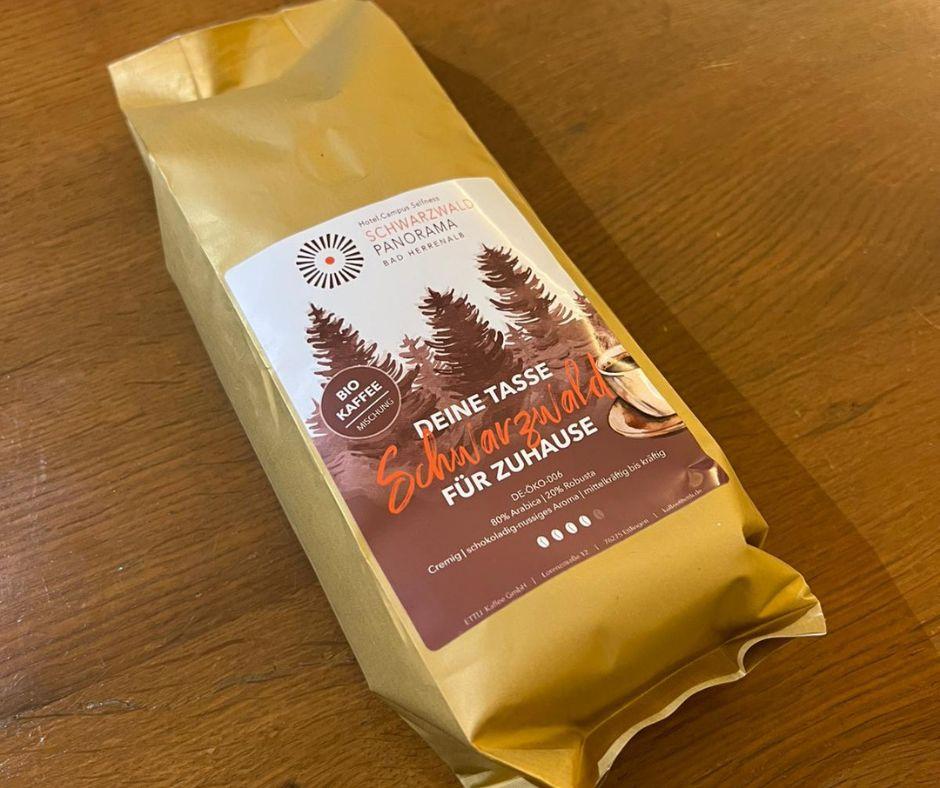
#5 Black Forest coffee blend for home use
In collaboration with the roaster Ettli, the SCHWARZWALD PANORAMA has created its own organic coffee blend. It consists of 80% Arabica and 20% Robusta, and it is sold in the hotel’s “Lädle.”
#6 Olive oil from Croatia
Olive oil is one of the most popular souvenirs from the Hotel Korinjak on the Croatian island of Iž. This vegetarian-focused hotel showcases the versatility of Croatian cuisine, even without meat. Plant-based fats, such as olive oil, play an important role in many Mediterranean diets and are considered healthier and more environmentally friendly than animal fats.
#7 Ligurian olives from Italy
At the Relais del Maro in Liguria, guests can buy many breakfast items directly—including olive paste, pickled olives, jams, spreads, and olive oil.
The region is particularly famous for its small Taggiasca olives. Considered aromatic, it has a flavor that is slightly reminiscent of almonds and is typical of Liguria.
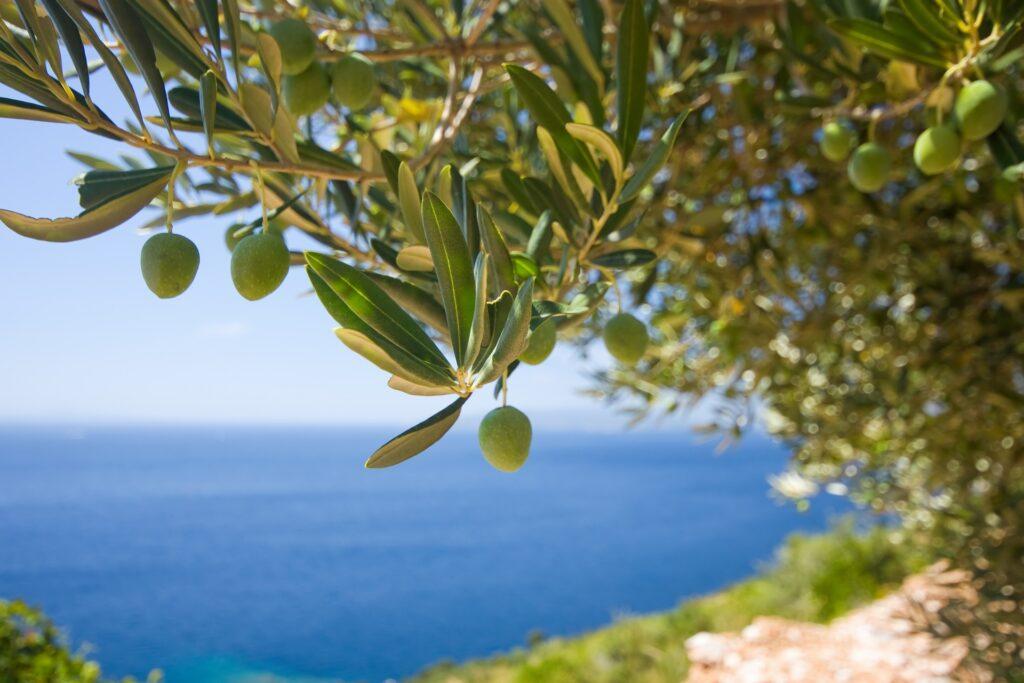
To accompany this, we recommend reading our article on vacations during the olive harvest.Oliven aus der Mittelmeerregion. ©Pixabay
# 8 Muesli and nut mixes from Bavaria
The Klosterhof Alpine Hideaway & Spa wellness hotel recently expanded its hotel shop to include homemade muesli, jams, and nut mixes.
Sustainability tip: When it comes to nuts, it’s worth checking where they come from: walnuts, hazelnuts, and chestnuts are also grown in parts of Germany and Austria and can serve as a local alternative to nuts that have traveled long distances.
Local nut varieties are harvested in the fall and are often available at farmers’ markets.
#9 Specialties from the Stanglwirt
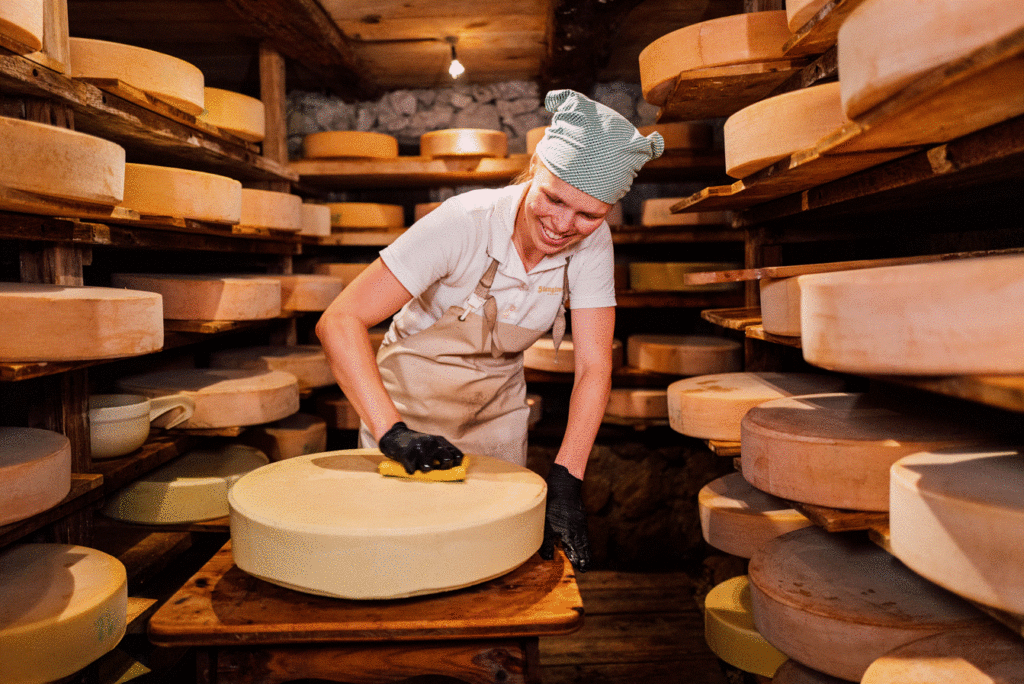
At the Stanglwirt Organic and Wellness Resort in Tyrol, farm-fresh food is integral to the resort’s philosophy. The resort’s certified EU organic farm features meadows and alpine pastures surrounding the property, as well as a cow barn.
Here, they produce dairy products, cheese, and meat and sausage specialties. This shortens supply chains, allowing ingredients to go directly from the alpine pasture or barn to the hotel kitchen.
You can purchase these edible souvenirs at the hotel’s farm shop.
#10 Award-winning tea from Peru
If you’re vacationing in Peru, you’ll find several tea and coffee plantations. The Inkaterra Machu Picchu Pueblo Hotel is particularly passionate about its tea cultivation project. Green and black tea are produced from Camellia sinensis plants over 100 years old. The tea-growing region is located at an altitude of 2,050 meters.
In 2025, at the Teas of the World Awards (AVPA, France), Inkaterra green tea received a Gourmet Medal, and their black tea won bronze.

Herbal tea from a small nursery
Herbal teas also make great gifts. They’re lightweight, have a long shelf life, and are easy to wrap. The Hotel Okelmann’s in Warpe, Lower Saxony, recommends organic herbal teas from the small nursery Kraut & Blüten in Westen on the Aller River. Starting in 2019, they have been growing herbs in a field among apple trees and processing them by hand.
The EU-certified organic nursery produces small batches of tea blends, herbal salts, and spices. Everything is processed on-site—and many of the trips are even made by bicycle.
Their products are available at the Concept Store at Hotel Okelmann’s, among other places.
#11 Apples and apple juice from Lake Constance

Lake Constance is one of the most important apple-growing regions in Germany. It’s especially worth visiting during apple blossom season in the spring and during the harvest in the fall.
Nestled among the fruit trees is the Naturresort Gerbehof. The resort’s own Bioland-certified farm provides the apples and apple juice served there, offering visitors a souvenir closely tied to the region that’s also packed with vitamins.
Conclusion
With edible souvenirs, you bring back something to share, taste, and enjoy. A jar of honey from South Tyrol, herbal tea from Lower Saxony, or olive oil from a small island in Croatia often says more about a trip than any fridge magnet.
Save this blog on Pinterest.