A king and his green visions
In recent years, Thailand has implemented a great deal in eco-friendly and sustainability-based improvements and has been considered a sustainable destination since 2018. A little-known fact is that King Bhumibol Adulyadej, who passed away in 2016, has been a pioneer and role model for sustainable development in his country for more than 50 years.
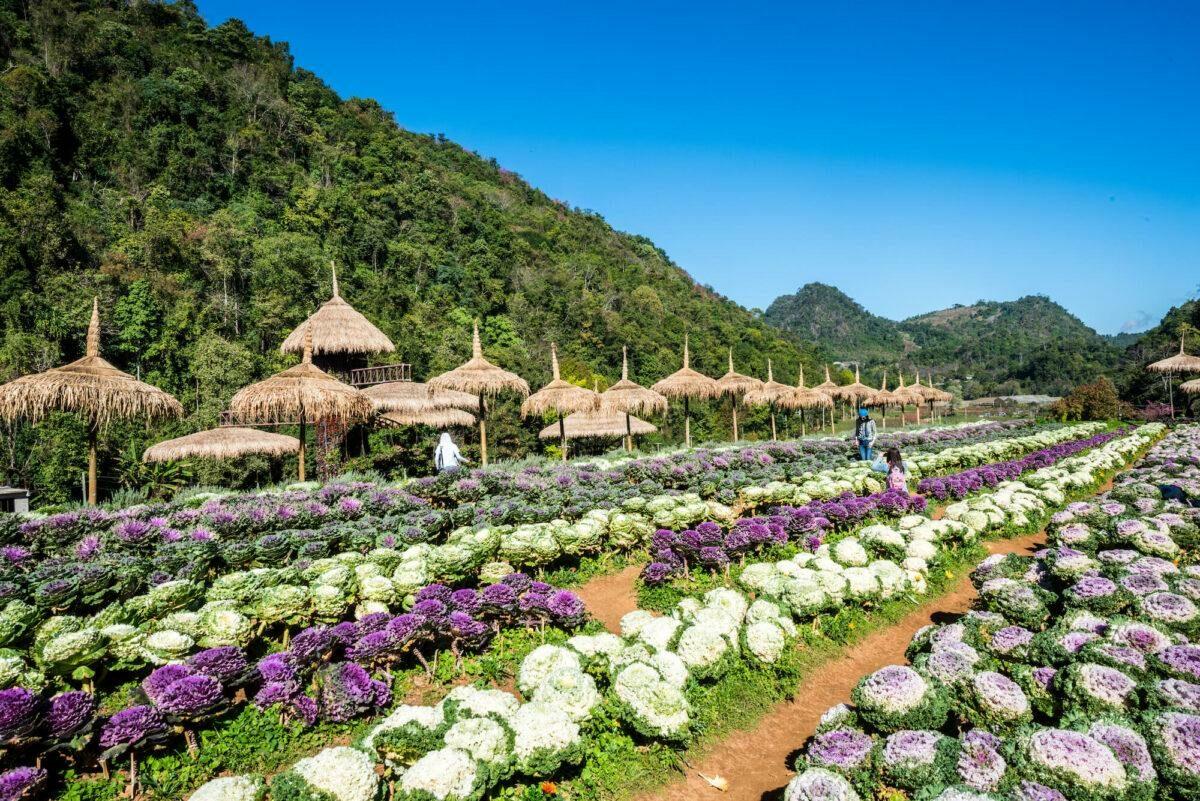
One of the first projects launched by King Bhumibol in 1969 was the “Royal Agriculture Station Angchon”. With this project, he researched plants that were particularly suitable for local cultivation in order to help make traditional agriculture profitable. At the same time, he was able to stem the widespread cultivation of opium. Since then, numerous initiatives and projects have been developed based on his philosophy of a holistic and sustainable economy. His vision of preserving the sensitive ecosystems of the natural environment, supporting the population while also preserving the cultural heritage of his country, still bears fruit today and has left a lasting mark on the country.
Sustainable travel in Thailand?
Even the tourism industry was not left untouched. In 2011, the Tourism Authority in Thailand (TAT) developed, among other things, the “7 Greens Initiative” with the aim of promoting sustainable tourism throughout the country. The resulting guidelines help to create awareness of sustainable behavior among all stakeholders (tourists, hotels, attractions, means of transport, etc.), in order to preserve Thailand’s cultural diversity and natural beauty. The ideas are versatile and multifaceted. Together with partners from the public and private sector, TAT is committed to reducing disposable plastic and visitors to national parks are encouraged to produce less waste. After all, next to overtourism, plastic and garbage are one of the biggest challenges in Thailand.
Thailand is committed: from beach clean up to plastic-free
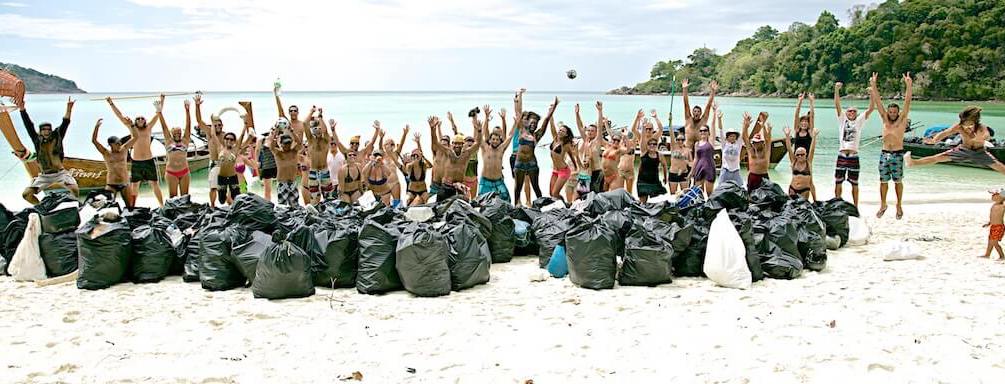
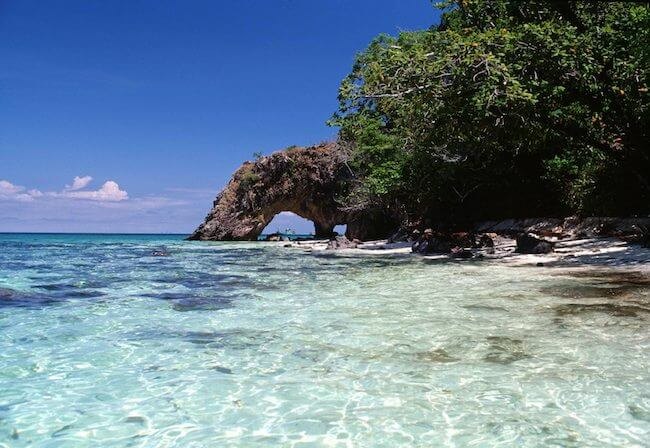
Entire islands are also involved: One of the most popular holiday destinations in Thailand, Koh Samui, has set itself the goal of reducing waste, especially disposable plastic, with the initiative “Samui Goes Green”. On the island of Koh Tao several dive schools have joined forces to work together on conservation projects such as regular beach or reef clean-ups, coral reforestation and monthly Koh Tao Eco Days.
The international organization, Trash Hero, has also left its mark in Thailand with more and more people volunteering for organized beach clean-ups. To save on the use of plastic bottles, tourists can also purchase a Trash Hero stainless steel bottle, which can be refilled with water free of charge at numerous stations such as bars, shops and restaurants.
Sustainable vacations protect flora and fauna
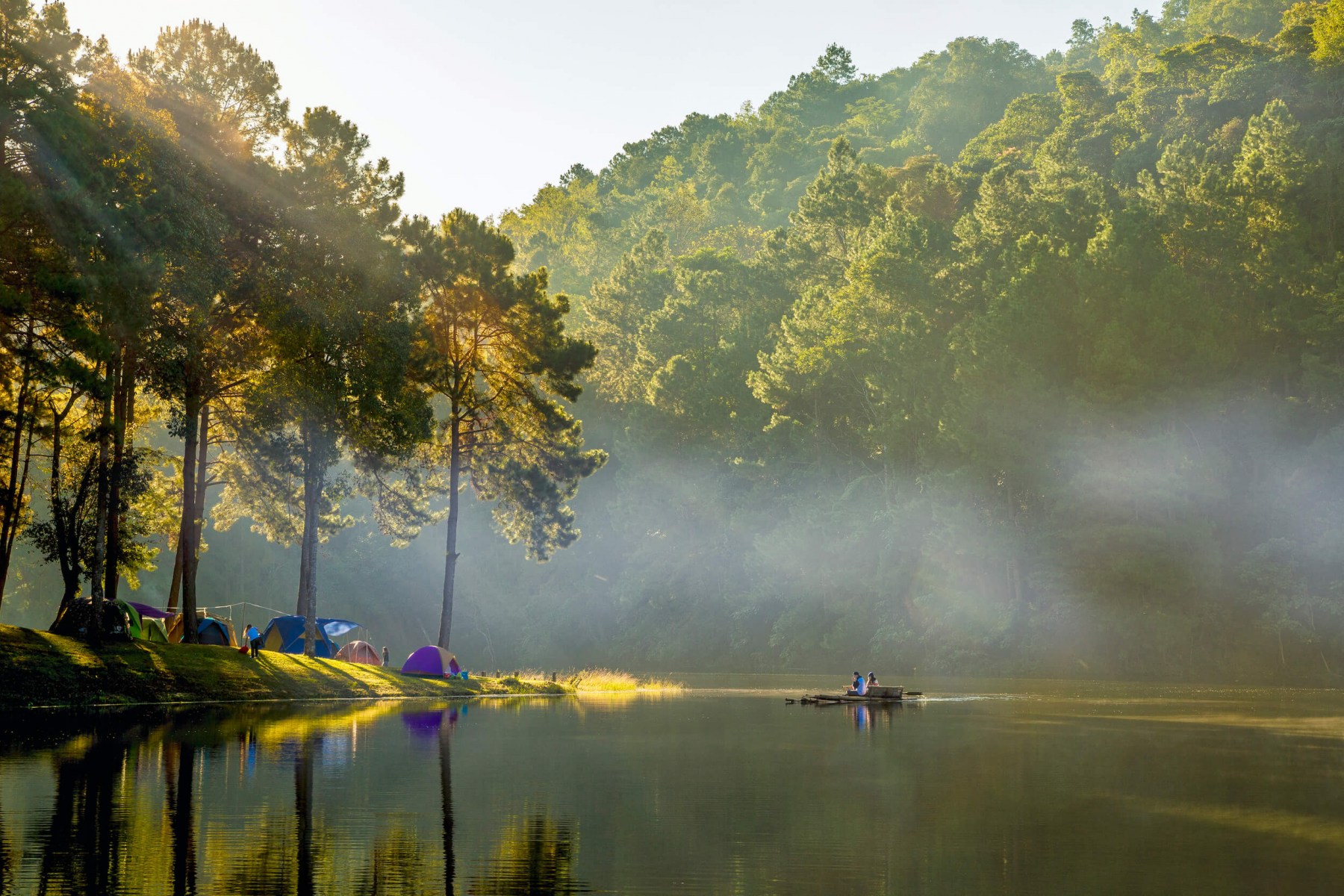
There are already several hotels in Thailand that have made it their goal to preserve the country’s natural fauna and animal world and to disturb it as little as possible.
For example, the luxury Eco-Hotel Tongsai Bay on Koh Samui, which began construction in 1985 after the founder of the hotel fell in love with the paradisiacal bay. It was particularly important to him that the natural island environment was preserved in its original state when the hotel was built – no trees were to be cut down, no animals were to be injured and the architecture was to blend in harmoniously with its surroundings. This respectful approach to nature and the environment is reflected in the unique beauty of the hotel grounds, and Thanakorn Hoontrakul has since been considered a pioneer in sustainable hotel management.

Up close and personal: Community-Based Projects & Homestays
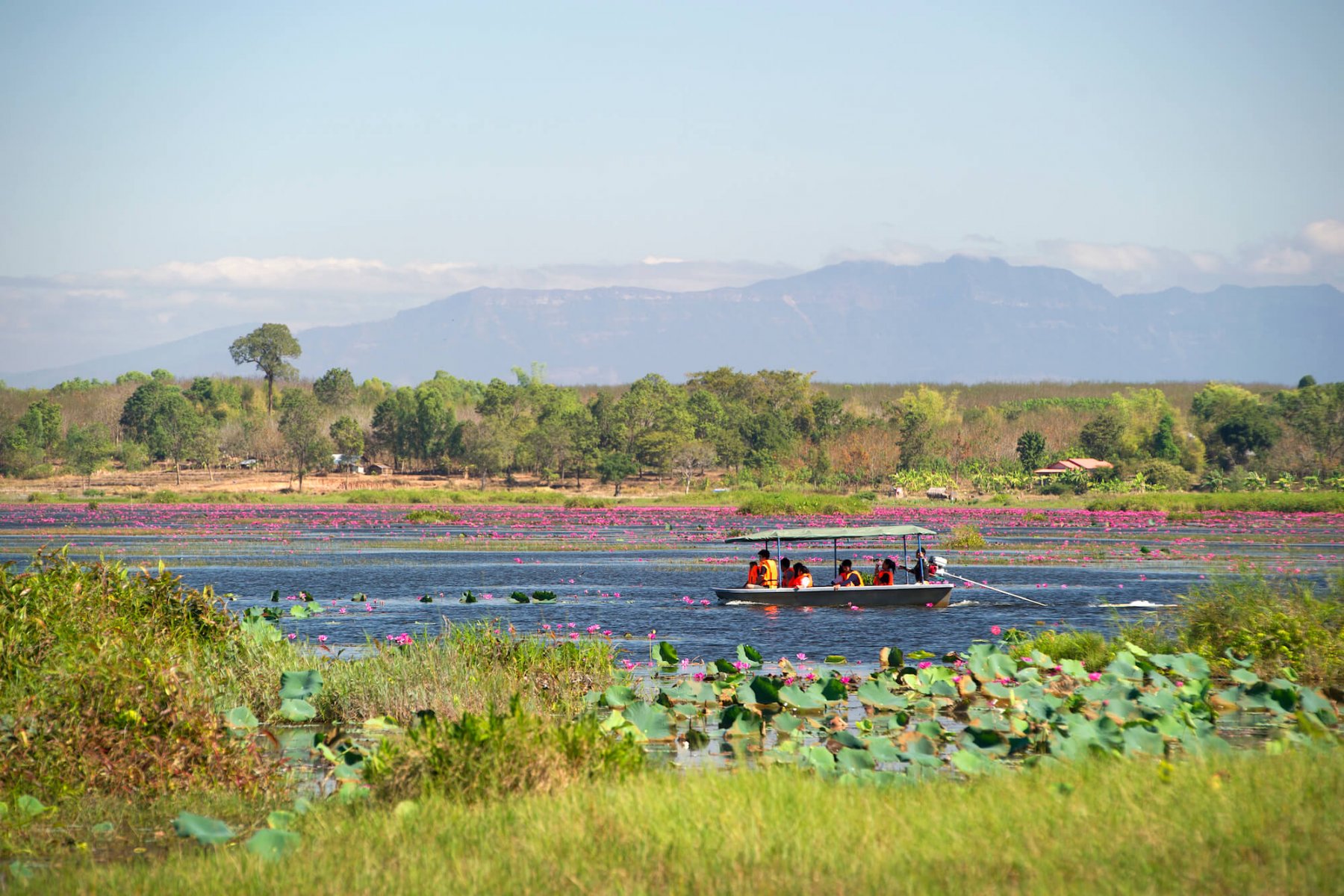
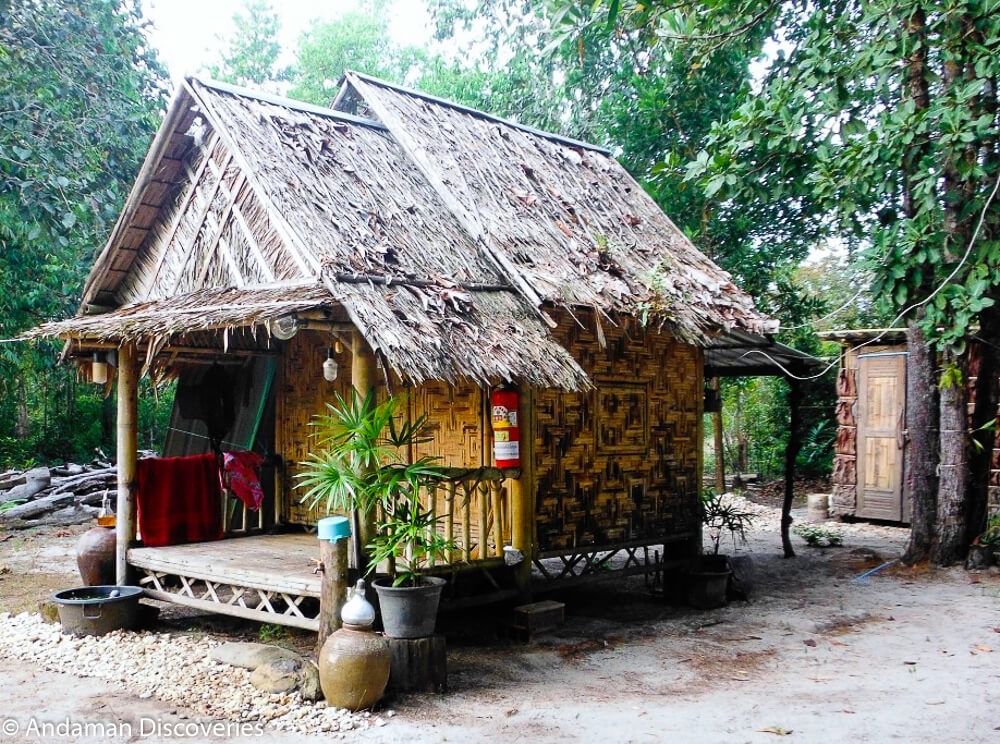
Community-based tour operators offer a different way of traveling through Thailand and provide you with authentic insights into the country and culture. Through carefully selected projects in cooperation with locals, visitors can create authentic, unique memories and experience traditions up close and personal. This not only helps to keep endangered customs alive but also supports locals in building up their livelihood. For example, Grandma Kanya, who still enthusiastically passes on Lakhon Chatri, a mixture of dance and song, to the next generation. HiveSters is one such operator for authentic travel experiences.
Another way to get up close with the locals are homestays. For example, guests can stay with people of the village of Tung Dap, a rural host family initiative. Here you arrive in the village as guests and stay with a host as a family. You will take part in the day-to-day life of the residents, whether fishing, vegetable growing, culture or arts and crafts. You will gain a very special insight into the everyday life and culture of the local people. Here too, the income from your visit remains with the locals.
Sustainable tourism is not a sacrifice
Sustainable tourism does not have to be a sacrifice. Sustainable tourism makes it possible to preserve the original, natural beauty of the country and its culture for many more generations. You can enjoy unique and unforgettable travel experiences that really stick in your memory, while also keeping your conscious clear. King Bhumibol took the first significant step towards sustainability, and since then, many have followed in his steps and Thailand is even considered a role model for other emerging markets in Southeast Asia. The most important thing is that everyone can help to help the country to move forward. You can make a difference by making a conscious use and disposal of rubbish and plastic when traveling and, for example, choosing sustainable hotels, community-based projects or homestays for your next holiday in Thailand.
Did you like this post? Share it!


I appreciate how history shows the complexity of truth by presenting multiple perspectives, interpretations, and debates that deepen understanding and critical thinking.