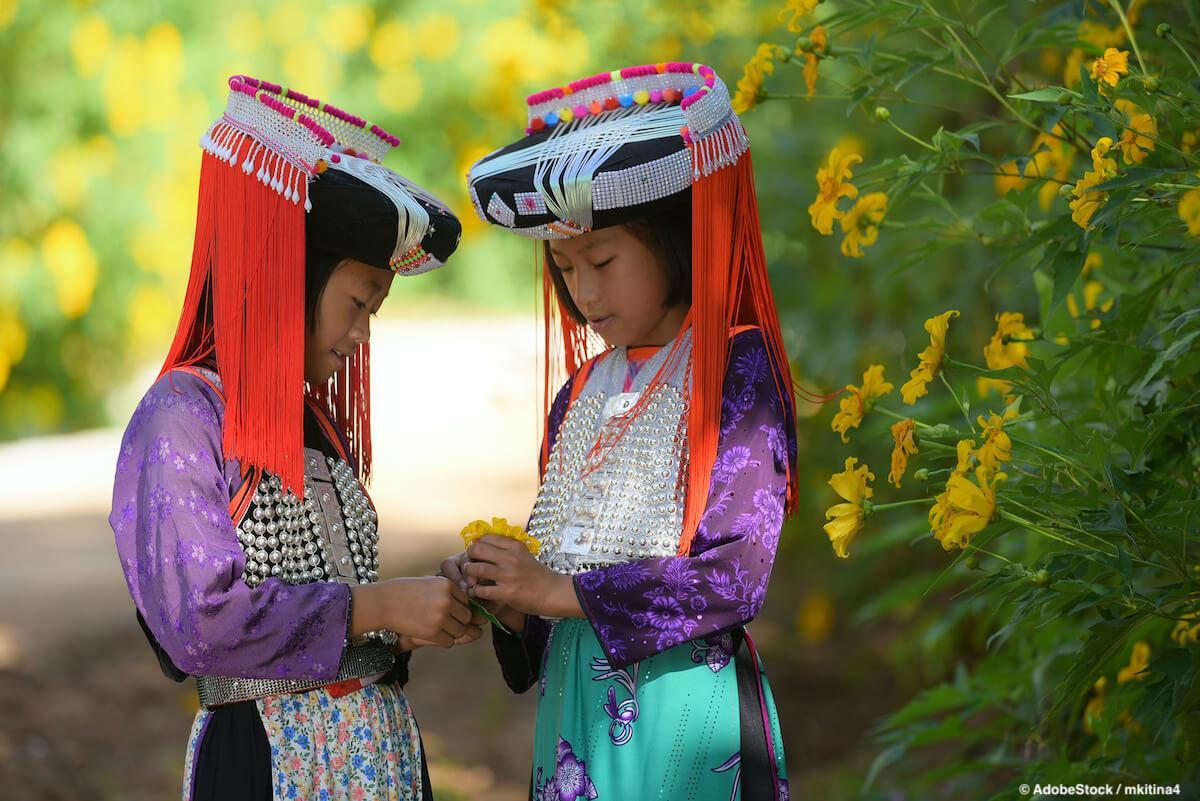
Some months ago, we introduced you to the hill tribes in the north of Thailand and took you to the Black Lahu in the village of Ban Jabo.
At that time, we received some questions about how to organize a visit there and what possibilities are available. Therefore, we are happy to share with you the CraftStays of DoiSter and Thai Localista today. They have created some themed tours where you can get to know the way of life of the mountain tribesmen and learn the traditional crafts.
Since the larger cities such as Chiang Mai or Mae Hong Son were too far away, the inhabitants of the remote mountain villages and valleys produced most everyday items themselves. Every man, every woman and every family made something different and then they exchanged – whether baskets, knives, clothes or tools, the variety is amazing. Even today, they still make these products and use them to support a large part of their income. Recently, some villages have joined together in the ‘Mae Hong Son Community Based Tourism Network‘ and are opening up to travelers who want to learn the traditional handicrafts.
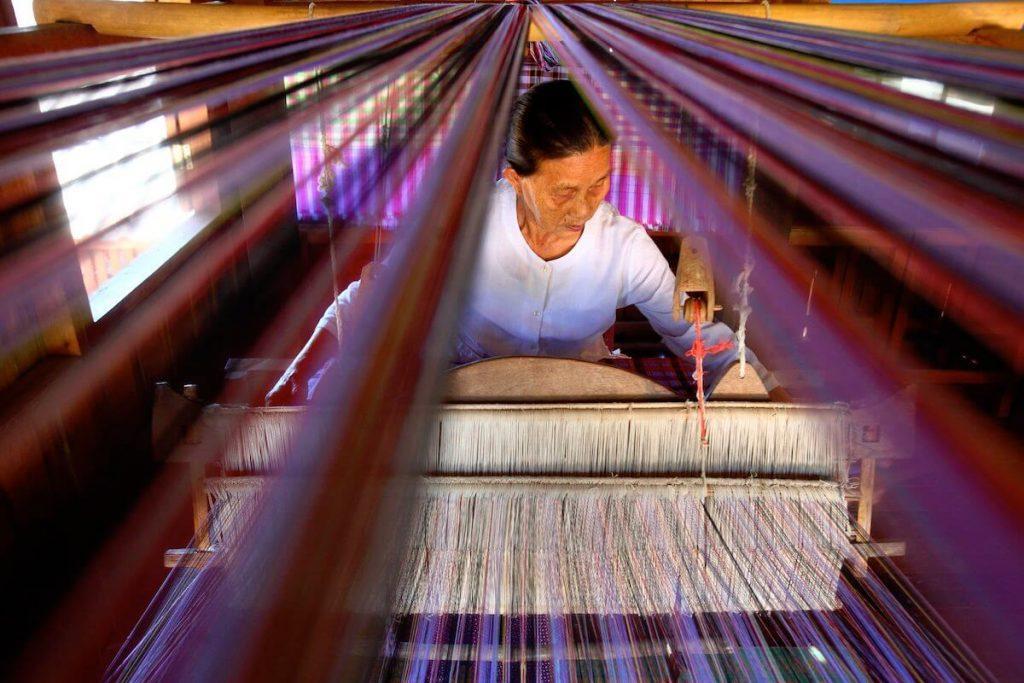
More than a fashion statement
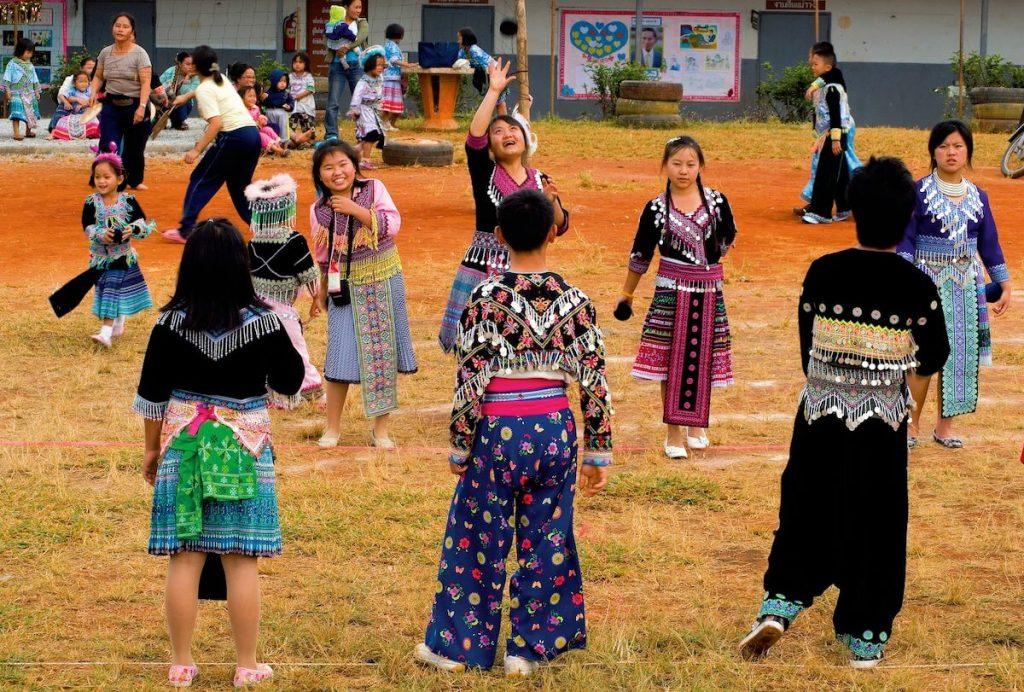
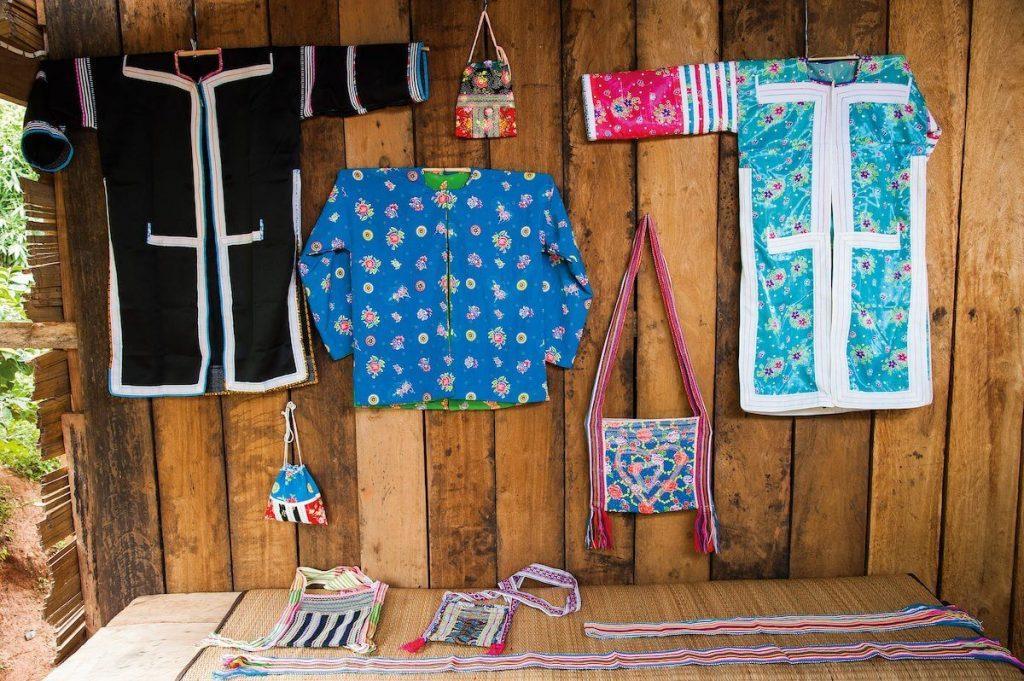
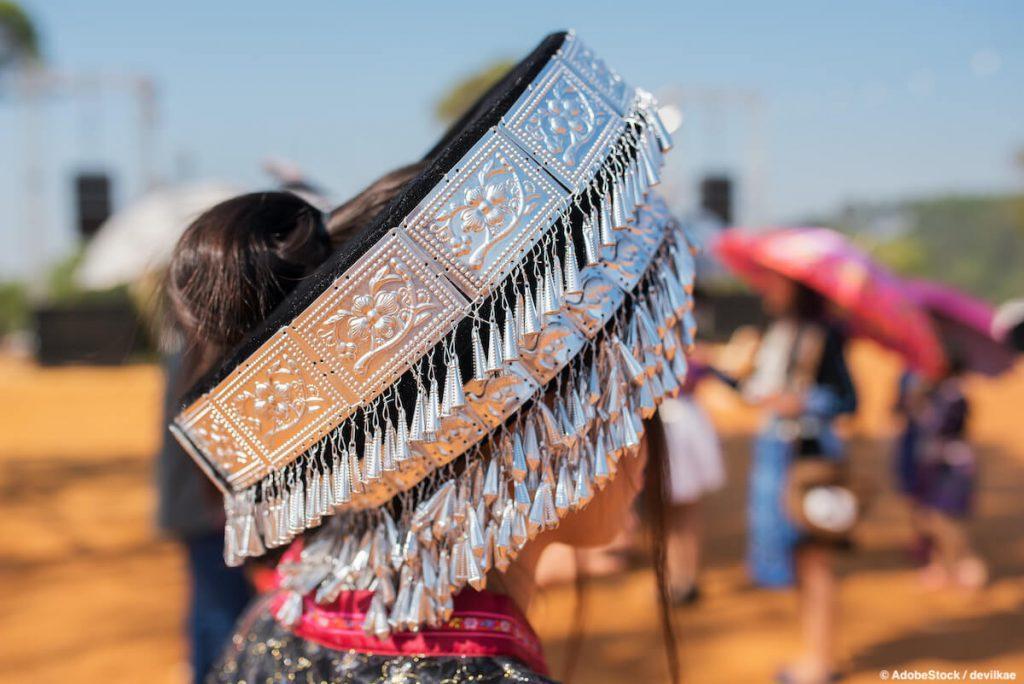
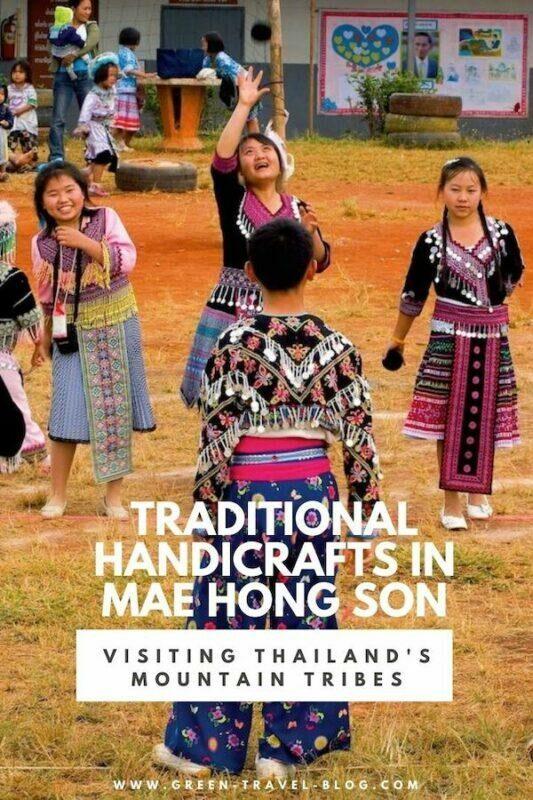
In the mountain villages of the Mae Hong Son region live different ethnic groups including the Lahu, the Karen, the Lawa, the Lisu and the Hmong. The products they make vary in design, and this is most evident in their clothing. Clothing is a part of their social identity: it shows not only membership of the group, but also status: for example, in the Karen, girls and single women wear a white dress, and after marriage, they change to a black blouse and skirt. Boys and men, on the other hand, traditionally wear red shirts all their lives.
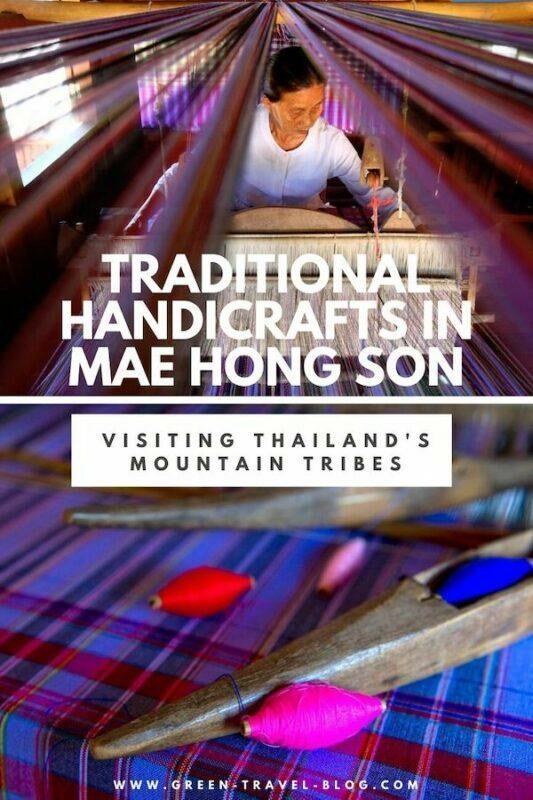
The techniques are still passed on from mother to daughter today, as the patterns and colors are still very popular. Apart from weaving the fabrics, dyeing also plays an important role: only natural dyeing methods from ingredients such as plants, seeds, berries, bark, earth and stones are used for the colorful yarns. Each village has its own recipes and techniques for their colors. It is not only the type of clothing but also the colors and patterns used that have a meaning. By talking to the villagers, you can gain a lot of exciting insights about the culture.
Learn traditional handicrafts in Mae Hong Son
The villagers not only make clothes themselves, but they also carve furniture, cutlery, teacups and mortars from teak, bamboo and ‘Mai So’ (Gamari) – and now not only for their own use but also to offer for sale to visitors. The residents are happy to pass on their knowledge of carving to guests in workshops, as well as their skills in forging knives, swords and tools. By the way, the swords in particular also play an important role in the beliefs of some mountain tribesmen. The Lawa, for example, place a sword under their pillows to drive away misfortune when they are ill or suffering. The Karen, on the other hand, prohibit any kind of knife-making activity when a villager dies – for fear of the ghost that might come back and haunt them. Making silver jewelry is also an experience not to be missed. In some of the villages, you can also buy traditional and contemporary jewelry.
Well, have we given you the urge to book a tour? We can especially recommend the “Karen Natural-Dyed Hand-Woven Fabrics Route”, where you will not only get to know the Karen culture but also the special weaving and dyeing techniques and learn more about the importance of their patterns and colors. If you want to experience different villages and crafts, the “Lawa Crafts Route” is for you. From making silver jewelry in Ban La-up, to natural dyeing and weaving in Ban Pa Pae, to insights into faith and the connection to clothing in Ban Dong, it shows different aspects of Lawa culture. The only important thing with all visits and tours is that you bring a little time with you, because as DoiSter says: “The longer you stay, the stronger your feelings will be”.
By the way, you can not only take part in the tours but also visit single villages or create a very special, individual plan with DoiSter and/or Thai Localista. Of course, you can also directly contact the local Tourism Authority of Thailand in their office in Mae Hong Son and get help with the booking. It is important that you contact the agencies or villages at least one week in advance as the villages will prepare for your visit. 🙂
Requests and bookings
Tourism Authority of Thailand (TAT), Mae Hong Son Office,
Tel. +66 5361 2982-3
Thai Localista & DoiSter
Further community-based tourism tours to the mountain villages of Mae Hong Son can be booked via Tour Merng Thai.
Did you enjoy this article? Share it!


What a beautiful piece! Right now, your post is helpful. Thank you for distributing this useful one.