Climate change affects all of us and the focus is mainly on travel. We’ve talked to our partners around the world about how they perceive climate change – and we point out what they are doing about it.
Swallows in the barn instead of the South
We visited the organic family hotel Gut Nisdorf on the Bodden coast this October and we were able to observe how climate change affects birds. In the barn next to the playground, we were greeted by a swallow – but the bird should be on its way to the South for weeks! “The swallows usually gather at the end of August and then leave in early September,” states host Jürg Gloor. “In October we’ve never had swallows here.”
Whether the swallow stayed because of the (still) good feed supply or accidentally is hard to say. Jürg has been in contact with the zoo director in Stralsund, who finds it remarkable that the swallow is still there. However, helping the swallow to survive winter is hopeless, even for the experts at the zoo. Swallows depend on flying insects and unfortunately, the flying insects can’t be replaced and they won’t try an alternative such as mealworms. We did have temperatures of 15 degrees in October in Nisdorf – and mosquito swarms. That could be a reason for the birds’ confusion.
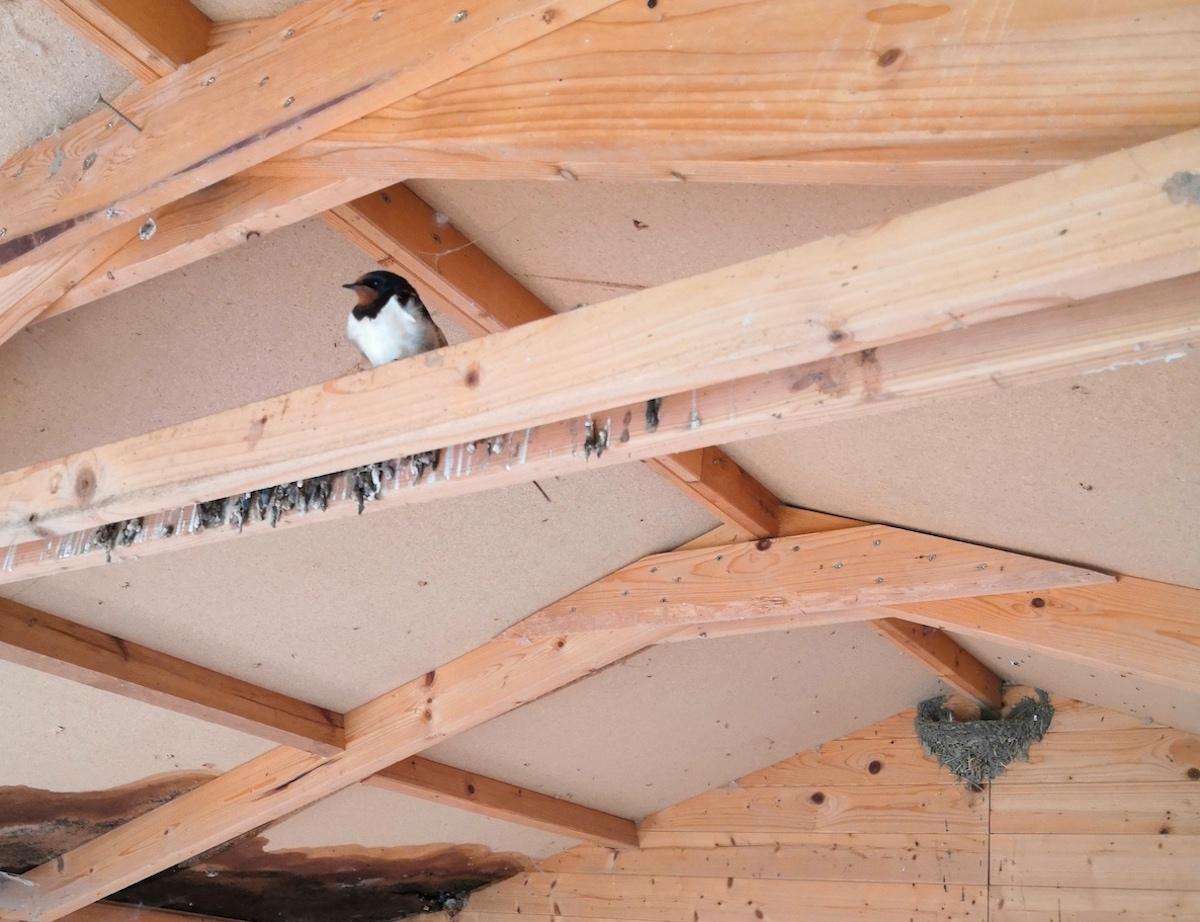
Incidentally, swallows have hard times due to climate change: they find little suitable nesting material and their nests are often removed by humans because of the droppings that fall from the nest. Besides, they return too early due to rising temperatures. But if it gets cold again, the chicks will not survive because the swallows won’t find enough flying insects to feed them.
Endangered coral reefs on the Maldives
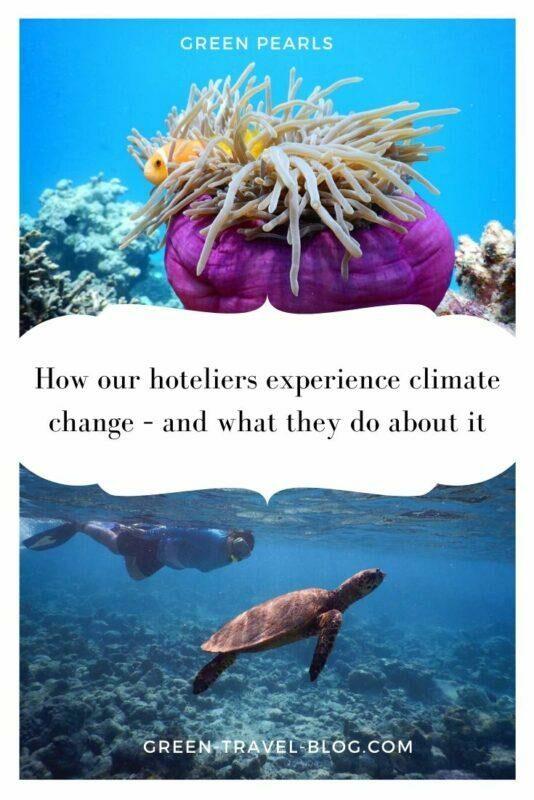
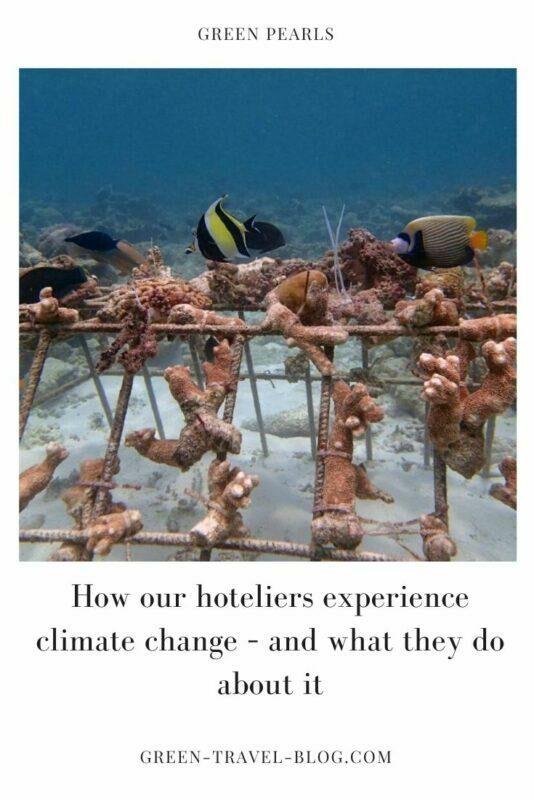
Those who like to dive were able to observe it within the last few years: coral bleaching – which means the death of the corals – is increasing constantly. Especially small islands like the Maldives are particularly affected by the damaging effects of climate change and the rising sea level has become a serious threat. “The impact of climate change is particularly evident at our house reef,” reports Smrutica, Marine Biologist at Reethi Faru Resort. “Coral bleaching now affects more than half of the corals. Every summer, as temperatures continue to rise, we are confronted with the effects on coral reefs. You can see how the rising water temperature is killing the corals: the normally brown-colored, living corals gradually become lighter and eventually turn completely white.”

More and more guests are asking about the effects of climate change at the resort and the marine ecosystem, Smrutica adds: “I am very often asked about climate change and sustainability, especially since the last coral bleaching.” Many guests want to take action – and they can get involved in two projects: Reethi garden is a Coral restoration project where pieces of corals are tied to a frame in the lagoon so that they can grow before being transplanted in the house reef. At the Manta ID and Turtle ID projects diving fans bring an underwater camera and if they spot a ray or a tortoise, they take a picture and show it to the resort’s marine biologist thus helping the researchers to better understand the animals.
Heatwave in the Black Forest
At the SCHWARZWALD PANORAMA in Bad Herrenalb, employees and guests have been able to experience climate change first-hand, especially in the last two years: the rising temperatures led to heat-stroke, less strength and general discomfort for employees and guests alike. “Experiencing the effects of climate change first-hand may increase your understanding and openness to sustainable services,” says Stephanie Schießl, Sustainability Officer of SCHWARZWALD PANORAMA. “This helps raise awareness of the importance and necessity of sustainability”.
Cold fronts in the Peruvian rainforest
Climate change and rising temperatures are also a major issue in Peru. The weather continues to become warmer at the coast with its partly desert-like, partly tropical climate and the transition between summer and autumn begins to blur. In the rainforest region around the Amazon, especially the “friajes”, cold fronts with rain and strong wind, are increasing. They bring temperatures of about 12-20°C and usually stay for three days. “During the dry season between April and November there were only two to three ‘friajes’, now they come almost every month”, Claire Andre from Inkaterra tells us.

Effects on the hotel business – not only in the Jagsttal
The longer dry periods in summer are noticeable at the Mawell Resort in Baden-Württemberg as well and are a cause for concern. Due to this, there is less water available in the own well, which is also used for irrigating the natural pond on the property. Temperatures also have a direct effect on hotel operations: “Even with today’s best building practices like insulation, these measures are no longer enough to prevent buildings from heating up. However, due to climate change and the associated higher temperatures, the guests expect an air-conditioned hotel room – climate change or not,” explains Julia Schneider from Mawell Resort. “Future investments must therefore not only be made in the air-conditioning of existing buildings but also in providing additional shade options.”
Zero Waste on Phuket
This year, the Thai island Phuket experienced one of the worst droughts of all time. “What many of us have learned from this experience is that we can no longer be satisfied with what we have already done in terms of sustainability. We need to do much more to reduce consumption and protect resources, whether through new service standards or innovative programs,” says Samornpun Somnam (Tarn), Executive Director of Keemala.
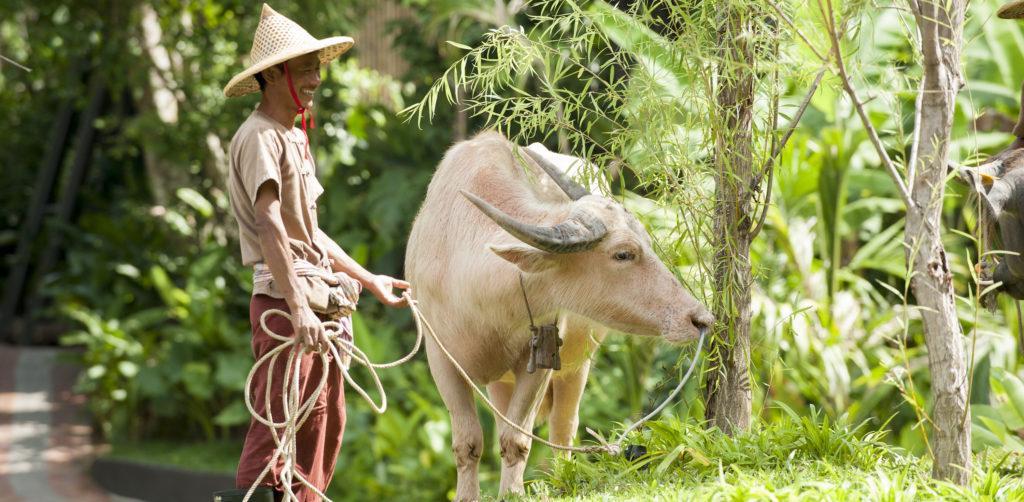
The Keemala has always emphasized sustainability – like all our Green Pearls® partner hotels. The focus is on minimizing plastic waste, committing to forest conservation building, using sustainable materials during construction and the resort has its own gardens with natural and organic vegetables, fruits and herbs. However, the commitment will be deepened in the future – and we are very grateful for all the commitment and effort.
Do you like this post? Share it!