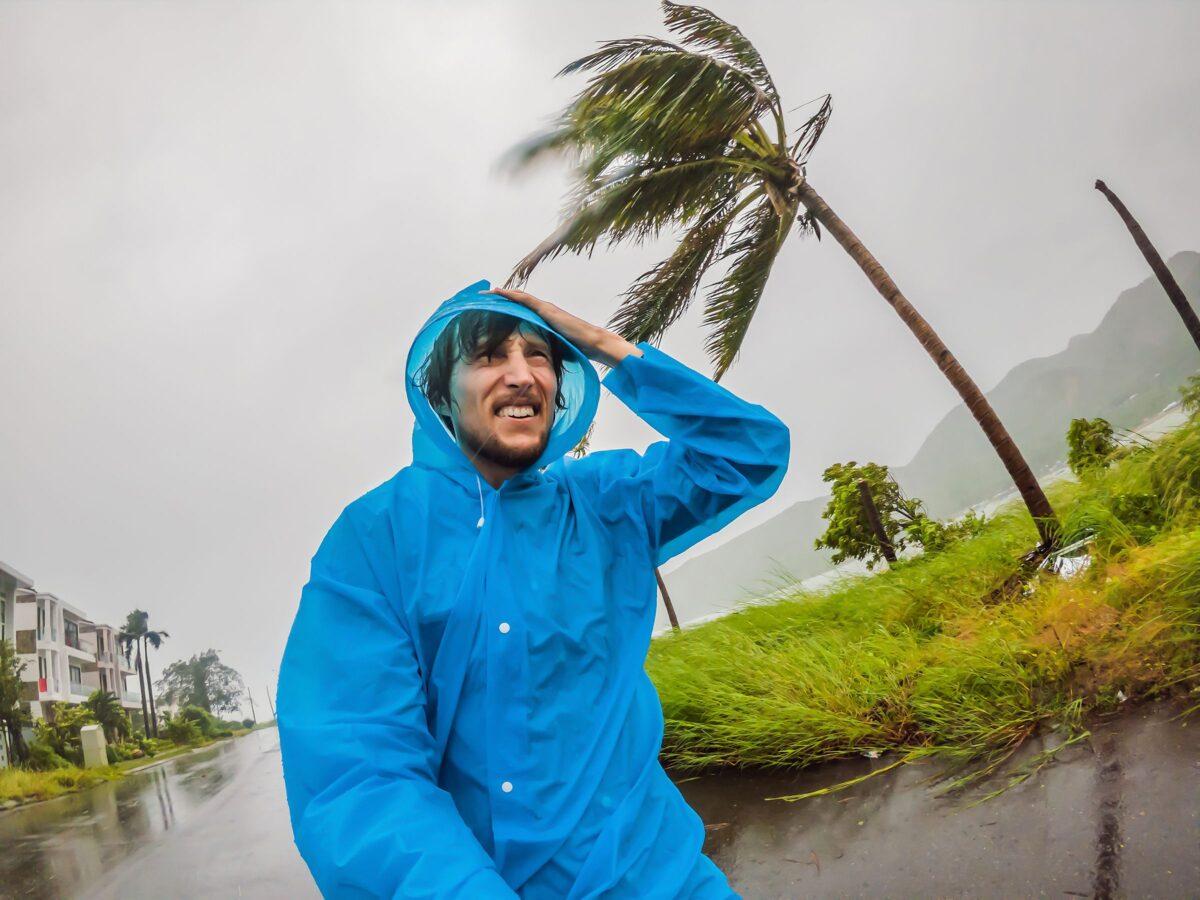
A hotel in Peru is closing as a precaution due to the threat of extreme weather. Meanwhile, milder winters along Germany’s Baltic Sea coast could increase tourism. El Niño has returned and could be one of the strongest meteorological events on record. But what does the imminent “super El Niño” mean for your travel plans?
Closed due to El Niño: Inkaterra Cabo Blanco, Peru

“Temporarily closed due to El Niño”—a message we had never received from any of our hotel partners before.
In August 2026, the family-run Peruvian hotel group Inkaterra informed us that its new hotel, Inkaterra Cabo Blanco, located on the north coast of Peru, would temporarily close on September 15.
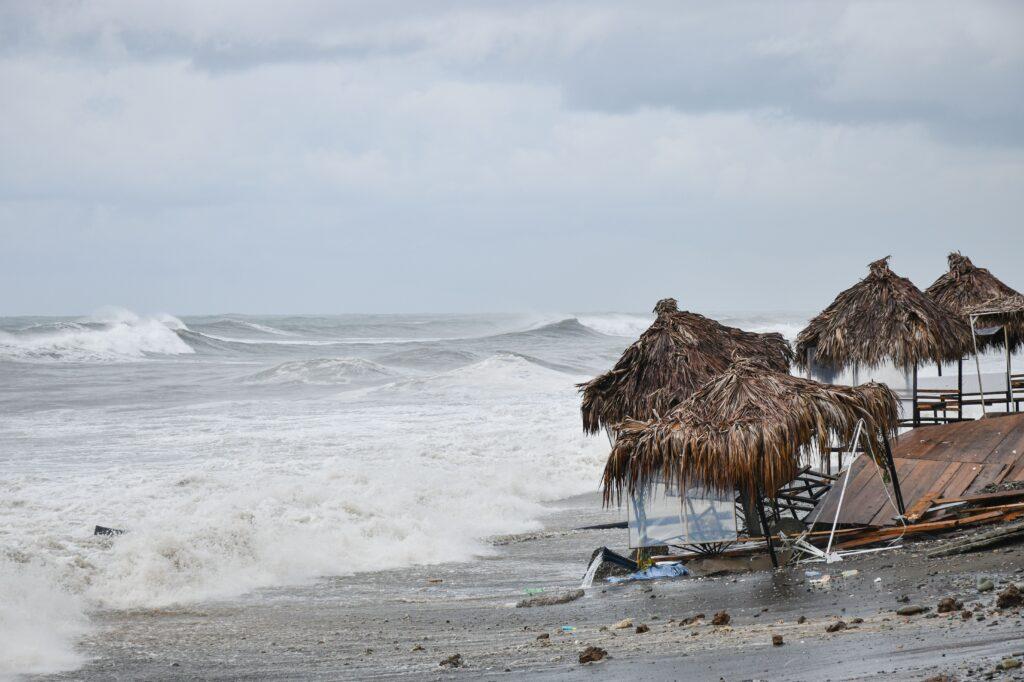
Cabo Blanco is located in an extremely arid coastal region in northern Peru. The landscape is characterized by desert, barren hills, and the Pacific Ocean. It is precisely here that exceptionally heavy rainfall is now feared.
“The closure of Cabo Blanco is primarily a precautionary measure,” explains Isis Córdova, Inkaterra’s head of marketing. The expected heavy rainfall on Peru’s northern coast could affect roads and access routes, thereby endangering the safety and comfort of guests and employees.
The hotel will therefore remain closed until further notice. Operations are scheduled to resume as soon as weather conditions stabilize.Das Hotel bleibt deshalb bis auf Weiteres geschlossen. Sobald sich die Wetterlage stabilisiert hat, soll der Betrieb wieder aufgenommen werden.
What is El Niño, and how does it cause weather chaos around the globe?
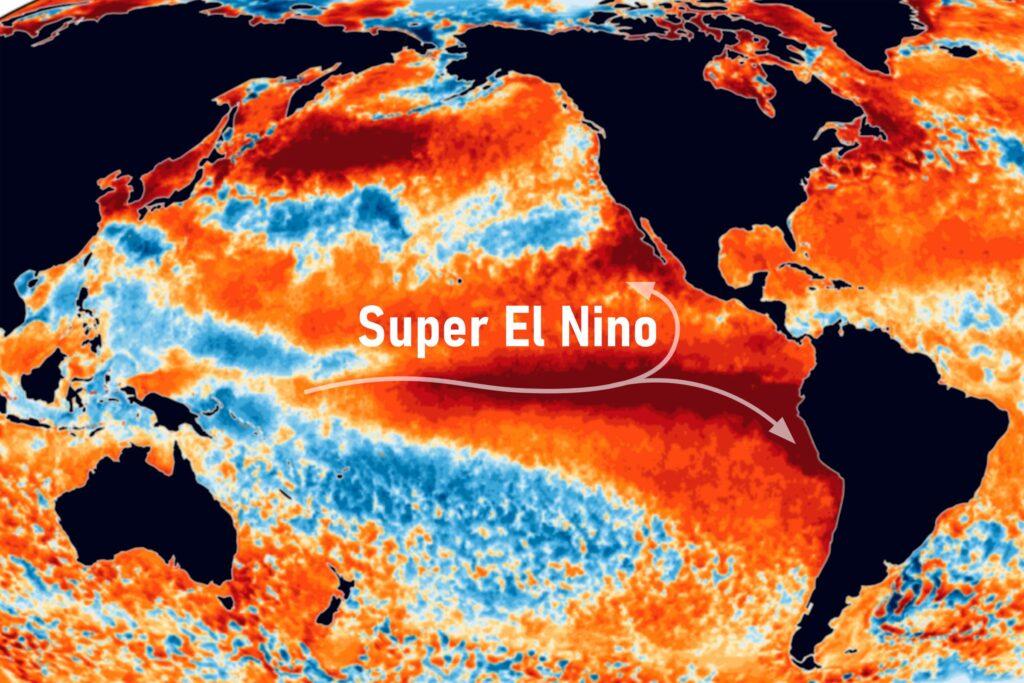
El Niño is
an unusual warming of the Pacific Ocean that occurs roughly every two to seven years and affects weather patterns around the world.
More precisely, surface water temperatures in the central and eastern tropical Pacific have been significantly higher than usual over the past several months. But why is this happening?
Steady winds normally blow from east to west over the tropical Pacific—the so-called trade winds. These winds push the warm surface water toward Indonesia and Australia. Off the coast of South America, this causes cold, nutrient-rich water from the depths to rise to the surface. Among other effects, this is why the waters off the coast of Peru are particularly rich in fish.
An El Niño event occurs when the trade winds weaken, which causes changes in the ocean currents of the Pacific. Less warm surface water is transported westward. Instead, the warm water spreads further toward South America, allowing colder deep water to rise to the surface. As a result, sea surface temperatures in the central and eastern tropical Pacific rise unusually sharply. This warming and the altered air currents reinforce each other.
Changes in Rainfall
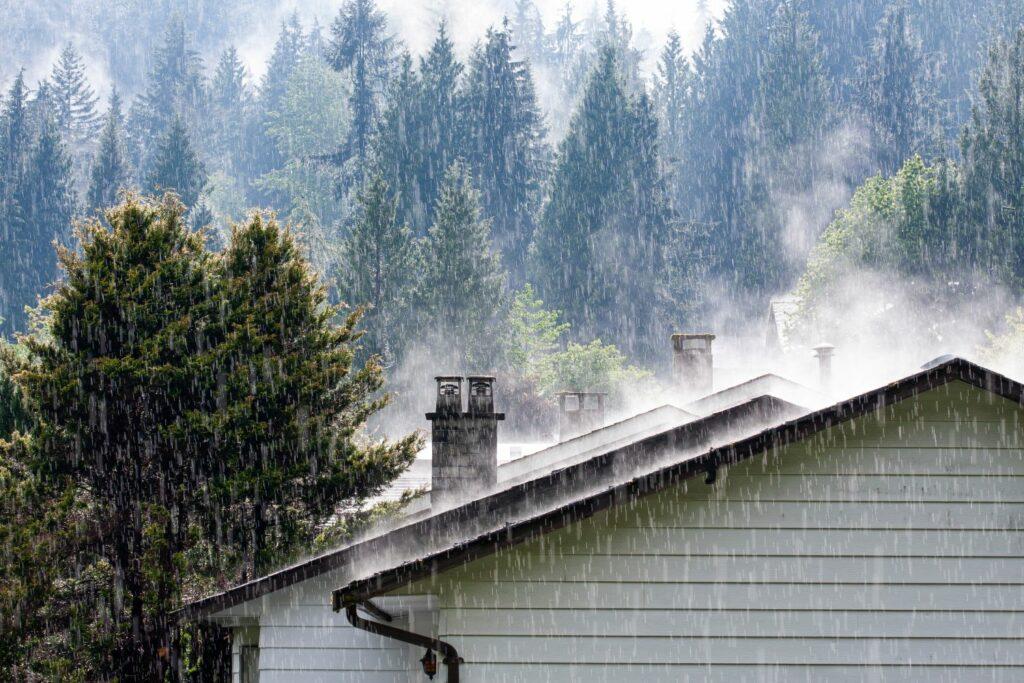
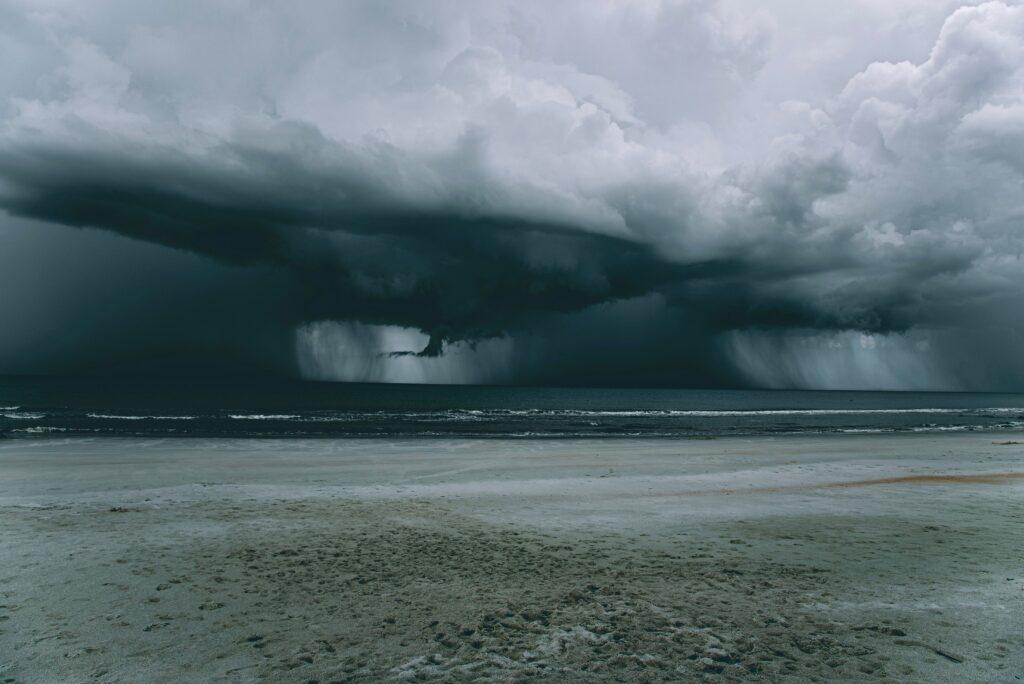
Now, here’s the most important part: A warm ocean changes the atmosphere above it. Where the water is warmer, more moisture evaporates. This moist air rises, forming clouds and resulting in heavy rainfall. Meanwhile, large-scale air currents change, resulting in less rain than usual in other regions.
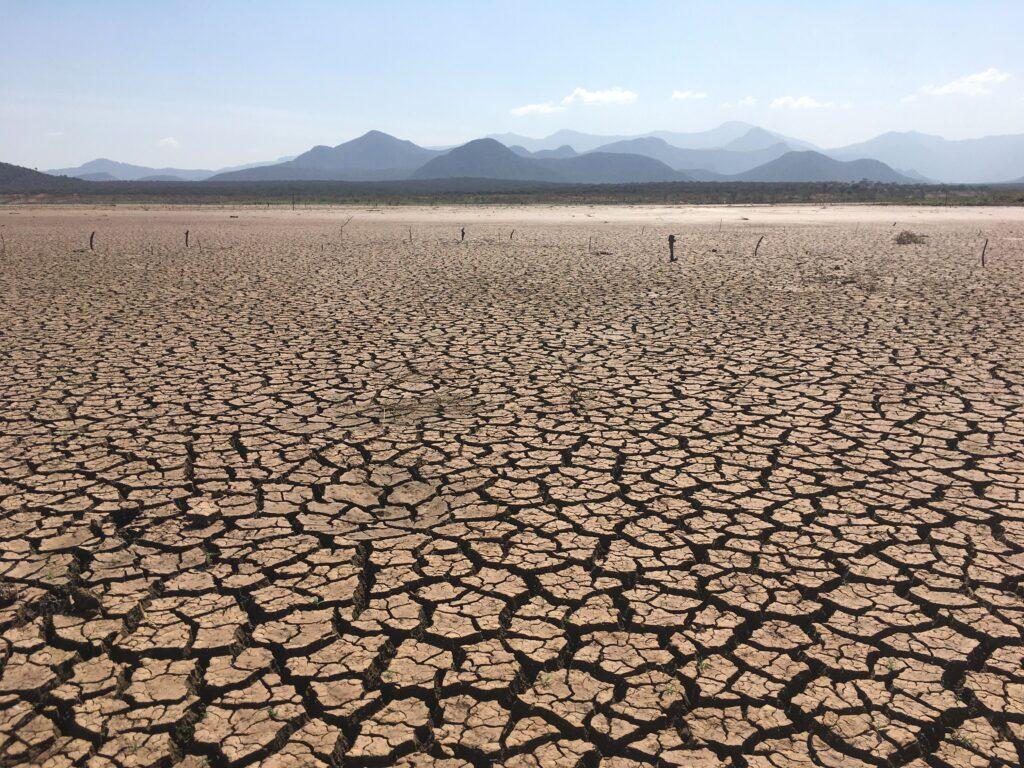
This could trigger a chain reaction. Flooding could threaten otherwise dry coastal regions of Peru, while Indonesia, for example, could suffer from drought. Even regions far away could be affected.
So, El Niño is not a single weather phenomenon. Rather, it is a natural change in the interaction between the ocean and the atmosphere. This change typically lasts nine to twelve months, and sometimes even longer.
But 2026–27 could turn out to be a particularly intense season.
Are we facing a super El Niño?
In a forecast issued on October 8, 2026, the U.S. National Oceanic and Atmospheric Administration (NOAA) predicted an over 83 percent probability of a strong to very strong El Niño by early 2027. For the period from October through December, NOAA forecasts a greater than 80 percent probability that the intensity will exceed that of previous events since 1950.
The World Meteorological Organization (WMO) also issued a warning about an exceptionally severe event expected to peak at the end of 2026. Its effects could extend well into 2027.
However, ‘Super El Niño’ is not an officially recognised term with a uniform definition. It is simply used to describe particularly intense events.
Is there a connection between El Niño and climate change?
We need to distinguish between two things here.
El Niño is not caused by human-induced climate change. The phenomenon has existed for thousands of years and is a natural part of our planet’s climate variability.
However, El Niño is now affecting a planet that has already warmed significantly due to human-caused greenhouse gas emissions.
And that is the problem:
El Niño can
temporarily make the Earth warmer than it already is due to climate change. And a warmer Earth means a greater risk of extreme heat and heavy rainfall.
Consider the year 2024, for example. A combination of long-term global warming and the strong 2023–24 El Niño contributed to its status as the warmest year on record at that time.
Research is ongoing to determine how climate change affects the frequency and intensity of El Niño. However, it is certain that the effects of an El Niño today occur against the backdrop of altered climatic conditions.
- Learn more about traveling in the age of climate change here.
El Niño 2026/27: What impact will it have on your travel plans?
As mentioned earlier, it is impossible to reliably predict whether winters on the Baltic Sea will become milder due to the current El Niño. Its influence on European weather is weaker and less clear-cut than in many tropical regions.
Before your winter vacation, however, it’s worth taking a close look at weather forecasts, travel advisories, and possible restrictions at your destination.
El Niño’s possible impact on travel weather: An overview from the Green PearlsⓇ Network
- Peru and Ecuador: The risk of heavy rain, flooding, and landslides is increasing, especially along the Pacific coast. As a precaution, the Inkaterra Cabo Blanco has closed. Other Inkaterra hotels, such as those near Machu Picchu, are still open and welcoming guests. Before embarking on a tour, check for regional warnings and possible traffic disruptions.
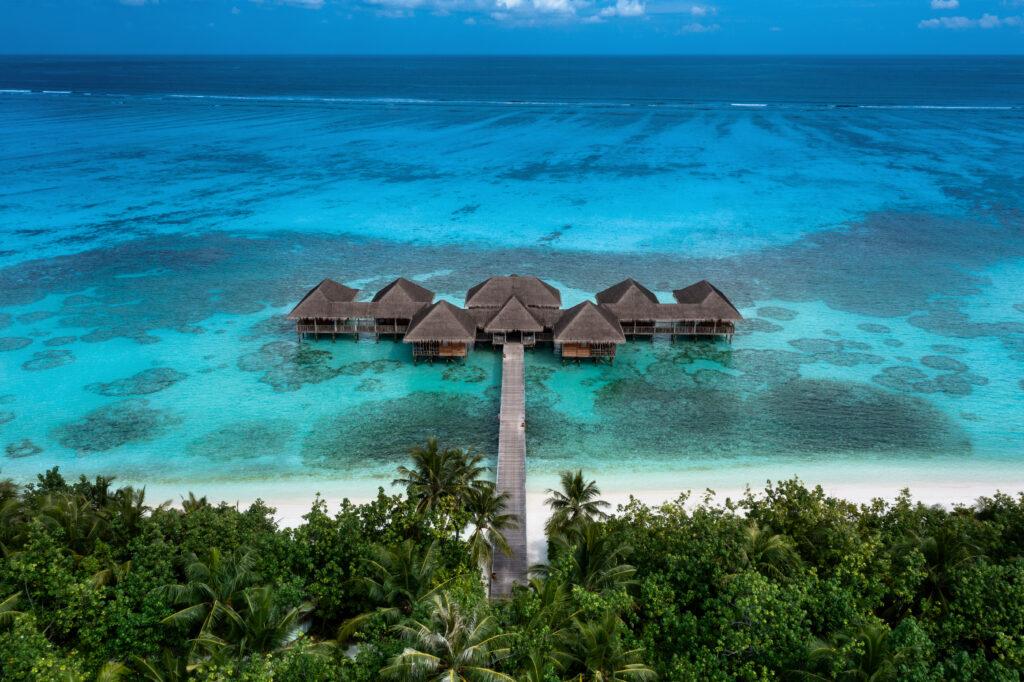
- Maldives: The focus here is primarily on rising sea temperatures. High water temperatures can trigger coral bleaching and put additional stress on sensitive reefs. At Gili Lankanfushi, they are actively committed to protecting the corals. As part of the Coral Lines Project, they attach coral fragments to special lines so the coral can continue to grow. Guests can participate in the project while diving and learn about restoring damaged reefs.
- Bali, Indonesia: El Niño often brings less rain and longer dry spells. This may affect the west coast of Bali, home to the Puri Dajuma Cottages & Spa. Water shortages and forest or peat fires may become a problem. Smoke can affect air quality and disrupt flight schedules. Therefore, be sure to check the current air quality readings.
- Cambodia: The dry season begins in November and lasts through April. El Niño can intensify the dry spell, leading to higher temperatures and water shortages. However, the coming months are usually particularly pleasant for travelers. In early November, Valentin from the Canvas & Orchids Retreat in southwestern Cambodia confirmed that no El Niño-related disruptions are currently expected, making this a very good time to travel.
- Vietnam: El Niño can lead to higher temperatures and longer dry spells, especially in the south. Currently, however, it’s a great time to travel to many regions. Even along the coast, where our partner hotels, The Anam Cam Ranh and The Anam Mui Ne, are located, it’s currently sunny. Whether El Niño will intensify the dry season in the coming months remains to be seen.
- Nepal: The 2026 monsoon season started six days later than usual and did not end until October 14. Heavy rains in late September caused flooding and landslides. It is not yet clear whether El Niño played a role in this. The rainy season has ended, and travel conditions are currently good around Pokhara, where The Pavilions Himalayas – The Farm is located. There is plenty of sunshine and pleasant temperatures.
What is the situation in Europe and the Mediterranean region?
- Tenerife and Gran Canaria: Even in November and during the winter, the Canary Islands generally enjoy mild temperatures ranging from 20 to 25 °C (68 to 77 °F) along the coast. Now is an especially good time for surfers to visit. From fall through spring, Atlantic storms frequently bring strong waves to the coasts. The OCÉANO Health Spa hotel is located in northern Tenerife, while the Casa León Royal Retreat is situated in the sunnier south of Gran Canaria. Currently, it is impossible to predict whether El Niño will affect the coming winter in the Canary Islands.
- Turkey: The Megasaray Club Belek is located on the Turkish Riviera. Currently, no direct impact of El Niño on the weather in Belek has been forecast. Therefore, regional weather forecasts are more important for travel planning than global El Niño trends.
- Italy, Sicily, Croatia, and the DACH region: Here, too, the impact of El Niño is unclear. This makes it difficult to predict the specific winter weather conditions for a stay at the ADLER Sicilia or our partner hotels in the Alps. Those traveling for hiking or skiing should focus primarily on the current weather and snow conditions.
More travel destinations at a glance
The Federal Foreign Office highlights specific risks in its travel and safety advisories:

- Colombia: The German Foreign Office has issued an explicit warning about higher temperatures, lower rainfall, and an increased risk of wildfires due to El Niño. Several regions are already experiencing wildfires.
- Kenya and Tanzania: Here, El Niño can have the opposite effect, bringing more rain. A heavier rainy season is expected from October through December of 2026. Flooding and landslides may make roads impassable and disrupt air and ferry services.
- Pacific Region: El Niño in 2026/2027 could lead to prolonged drought, heat waves, and wildfires in the Solomon Islands. Drinking water, food, and fuel may become scarce, especially in remote areas.
This doesn’t mean you should avoid these countries altogether. However, it does demonstrate the importance of checking the latest weather forecasts and safety advisories for your travel destination before embarking on a long trip.
Our advice: Check the latest advisories from the Federal Foreign Office and familiarize yourself with the cancellation policies before your trip. An official travel warning does not automatically entitle you to free cancellation of flights booked individually. However, if the airline cancels your flight, you are generally entitled to a refund or alternative transportation, provided that EU air passenger rights apply. Different cancellation rights may apply to package tours.
Can you travel to Peru despite El Niño? Yes, but it depends on the region

Let’s take another mental trip to Peru. El Niño doesn’t affect every region of the country the same way. Therefore, you don’t have to avoid the entire country. Although the Inkaterra Cabo Blanco is closed, the company is welcoming guests at its other locations. One option is the Inkaterra Machu Picchu Pueblo Hotel, located at the foot of the famous Inca site.
From November through March, the rainy season is in full swing around Cusco and Machu Picchu. That means fewer tourists and a mystical fog shrouding the Machu Picchu World Heritage Site.
How Inkaterra plans to protect nature for future generations
Incidentally, Inkaterra is a pioneer in nature-based tourism in Peru. For decades, the company has invested in scientific research, biodiversity conservation, and restoring damaged ecosystems.
Over the course of five decades, the landscape surrounding the Inkaterra Machu Picchu Pueblo Hotel—which had previously been degraded by deforestation and livestock grazing—has been gradually restored and is now a showcase project for biodiversity.
Through projects such as “One Million Trees for Machu Picchu” and initiatives to protect marine ecosystems at Cabo Blanco, Inkaterra aims to contribute to the long-term conservation of Peru’s natural environment.
Of course, such measures cannot prevent extreme El Niño events. However, they demonstrate that we do not have to stand idly by and merely observe the effects of global warming and extreme weather events. After all, our actions have consequences, both positive and negative. Moreover, the broader outlook presented in this article demonstrates just how closely everything on our planet is interconnected.
Unintended winners? When Mild Winters Boost Tourism

Meanwhile, thousands of kilometers away at Timmendorfer Strand on Germany’s Baltic Sea coast, the situation could look quite different this winter. There, Marion Müller runs the lifestyle hotel SANDnature. During the winter, the Baltic Sea is usually much less crowded than in the summer. Will that remain true?
“Warmer winters could lead to an increase in tourism,” Marion says. Activities like beach dining have attracted many guests in the past during mild winters.
A rise in temperature could also have benefits when it comes to energy consumption. “We’ll probably save money if it stays warmer in the Baltic Sea,” the hostess speculates, adding, “Sad but true.”
After all, warmer winters are by no means good news for them.
“Guests are already missing the ice floes on the Baltic Sea.” – Marion Muller, SANDnature
What El Niño teaches us about sustainable travel
El Niño is a natural phenomenon. Yet, its effects remind us just how dependent our daily lives—and even our vacation plans—are on functioning ecosystems and reliable climatic conditions.
For us, this is reason enough to take a closer look: Which companies are taking responsibility for their energy and resource consumption? Who is committed to protecting local habitats?
The temporary closure of Inkaterra Cabo Blanco demonstrates the direct impact that extreme weather events can have on tourism. At the same time, the company’s efforts to protect and restore ecosystems demonstrate the industry’s potential to take action.