The issue of animal welfare while travelling is a sensitive one. Many tourists trust names like ‘Wildlife Sanctuary’, but in doing so, they sometimes support activities that cause animal suffering. However, according to PETA wildlife expert Dr Yvonne Würz, wildlife tourism can help protect animals and their habitats under certain conditions. In an interview with the Green Travel Blog, she explains where the line is drawn and how you can recognise respectful encounters with animals on holiday.
Interview with the PETA wildlife expert on encounters with animals while on vacation
Green Travel Blog: Many people dream of seeing a whale, elephant, or koala in person. Vacations seem like the perfect opportunity to see these animals in their natural habitats instead of zoos.
Dr. Yvonne Würz: I completely understand that desire. From my own experience, I know how fascinating it can be to have respectful encounters with animals. One of my fondest travel memories is watching kangaroos and platypuses in Australia. However, “visiting” animals sounds a bit like they’ve invited you over..
GTB:That’s true. But where do you draw the line between a pleasant wildlife viewing experience and an attraction that harms animals?
Yvonne: The line is drawn when animals are confined, exploited, harassed, or restricted from natural behavior for tourists’ amusement. Animal-friendly observation takes place from a distance, allowing wild animals to decide whether or not they want to be seen.
GTB:So, keeping a distance means that I can’t pet or feed the animals?
Yvonne: Exactly. As soon as animals are ridden, chained up, touched, used for photos, fed, or forced to perform, the focus shifts from their well-being to human entertainment.
These “animal attractions” are definitely ones you should avoid
GTB: Could you provide some examples of things that should definitely be avoided?
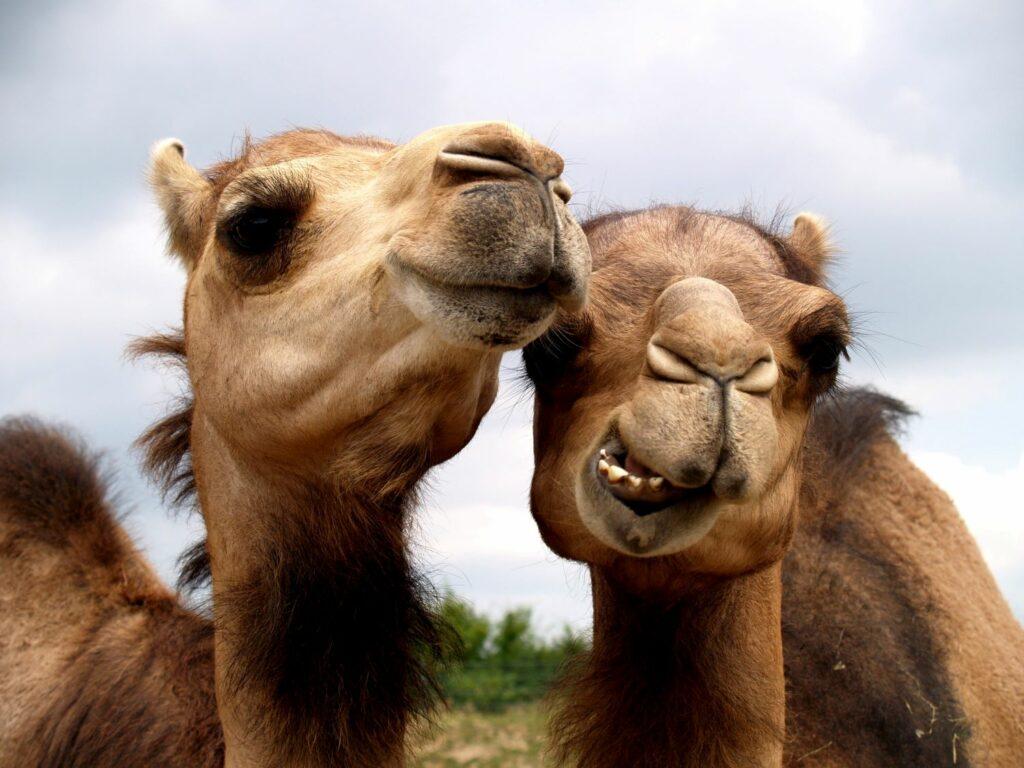
Yvonne: So, when it comes to activities like elephant rides, dolphin shows, photos with tiger cubs, and camel rides in front of the pyramids, you can be sure they involve a great deal of animal suffering.t.
GTB: Camel rides, too? But that’s part of the desert peoples’ culture…
Yvonne:But certainly not as a tourist attraction right outside Cairo! Camel rides for tourists have nothing to do with preserving culture. And we don’t consider camel rides for cultural reasons acceptable either. Several investigative reports by PETA Asia show how horses and camels around the pyramids in Egypt are exploited to the point of death. The animals often collapse from exhaustion in the heat and are beaten to make them get back up. Animals deemed “useless” are discarded like trash not far from tourist hotspots.
GTB: Many people are probably unaware that animals suffer for their entire lives just for a brief moment of entertainment or a vacation photo.
Yvonne: Unfortunately, that’s the case. PETA regularly receives reports from travelers who are shocked by the suffering behind animal attractions and regret having supported them.
Anyone who wants to respect animals should view them as sentient beings and not as tourist attractions. — Dr. Yvonne Würz
PETA is fundamentally opposed to zoos, animal parks, and wildlife parks
GTB: What about zoos and wildlife parks? They promote species conservation and offer educational and breeding programs. Is it okay to visit them in your opinion?
Yvonne: PETA is fundamentally opposed to keeping animals in zoos, animal parks, and wildlife parks. Animals are confined there for their entire lives and are barely able to fulfill their natural needs.
GTB: Even if the enclosures are very large?
Yvonne:Even then. Facilities that we perceive as “large” and “modern” cannot replace the complex habitats and social structures of many species.
GTB: But isn’t it argued that zoos are important for species conservation?
Yvonne:In our view, the frequently cited argument in favor of species conservation is not convincing. The vast majority of animals in zoos worldwide are not classified as critically endangered. According to a 2013 British meta-study, over 80% of zoo animals are not on the Red List of Threatened Species. Furthermore, only a very small proportion of captive-bred animals are ever released into the wild.
Instead of keeping wild animals in captivity for human entertainment, conservation efforts should be supported that take place directly in the animals’ natural habitats. —Dr. Yvonne Würz
However, wildlife tourism can also have positive aspects

GTB: On our blog, we recommend viewing wildlife in its natural habitat whenever possible, such as through birdwatching, safaris, or whale watching. Do you generally agree with this approach, or do you have any concerns about it?
Yvonne: In principle, ethically responsible wildlife tourism can help protect animals and their habitats. However, this depends on the animals not being disturbed, harassed, or influenced in their behavior. Unfortunately, some tours do not meet these criteria.
GTB: How can I tell if a safari or whale-watching tour is animal-friendly?
Yvonne: The animals’ needs should always take precedence. Therefore, you should find out in advance how animal observation activities are conducted and if clear rules are in place to protect the animals.
GTB: Could you describe in a little more detail what I should look out for before booking a tour like this?
Yvonne: If animals are fed during safaris or whale-watching tours, chased by boats, or harassed by large groups of visitors, this can cause significant stress for the animals. Tour operators should under no circumstances guarantee or stage encounters with animals. A safe distance should be maintained, and the tour should be solely for observation—without any interaction. I recommend researching in advance what experiences travelers have reported in review forums.

PETA evaluates 5 “animal attractions” near Green Pearls® accommodations
GTB: There are a few “animal attractions” near our Green Pearls® partners. Could you share your thoughts on one or two of them?
Yvonne: Sure.
#1 Elephant Sanctuary in Yok Don National Park, Vietnam
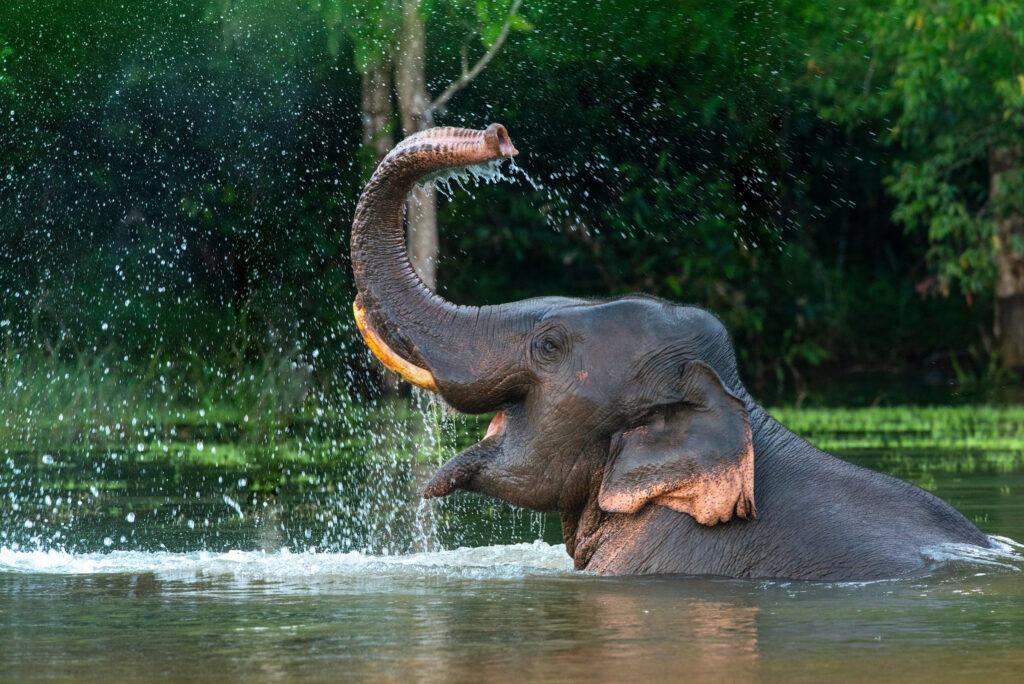
GTB: In Vietnam, where our partner, the luxury resort The Anam Cam Ranh, is located, there is the Yok Don National Park, which admits that it used to keep elephants chained up but now lets them roam freely.
PETA’s Rating
Positive: First and foremost, it is encouraging that the national park has, according to its own statements, put an end to elephant rides and no longer permits feeding, bathing, photo sessions, or other direct interactions with the animals. This is an important step away from the obvious exploitation of elephants for tourism purposes.
Negative: From an animal welfare perspective, some questions remain unanswered. Although the park describes the animals as roaming freely, it provides little explanation of how independently the elephants live, what their living and housing conditions are like, and how much they are still controlled by humans. The website gives the impression that the elephant tours are accompanied by mahouts, or “elephant handlers.” Transparent and verifiable information about how the animals live, the role of the mahouts, and whether the animals’ needs are prioritized over tourism interests would be desirable.
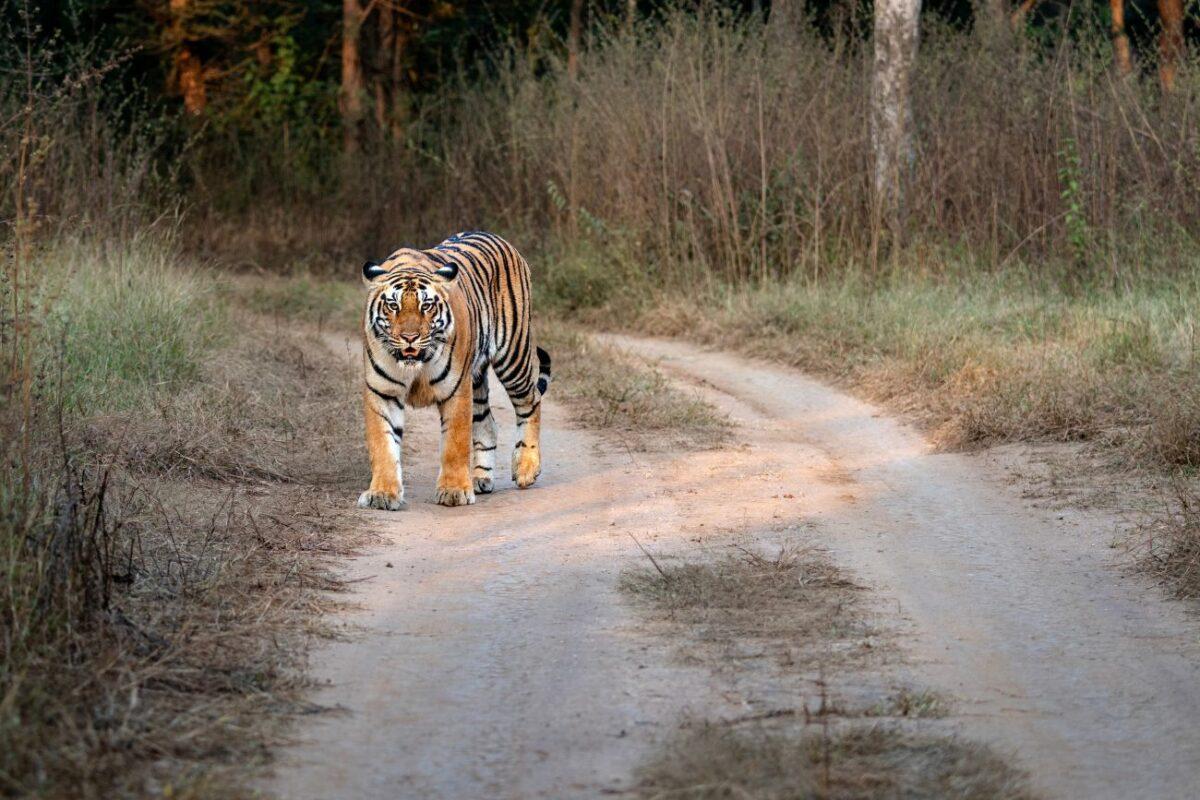
#2 Tiger Tops Safari Operator, Nepal

GTB: Tiger Tops is one of the tour operators that offers safaris for guests of The Pavilions Himalayas – The Farm. Tiger Tops works closely with the International Trust for Nature Conservation (ITNC) and has been supporting conservation projects for decades, such as the “Long-term Tiger Monitoring Project” and Nepal’s first Ganges gavial breeding program.
PETA’s Rating
Positive: It’s good that Tiger Tops has stopped offering “elephant safaris”—where tourists could ride the animals—since 2015.
Negative: However, the “Elephant Experiences” that are still being offered raise serious concerns from an animal welfare perspective. Encounters with the animals and “walks” continue to be marketed as tourist attractions. According to the provider, guests spend time with the mahouts (“elephant handlers”) and elephants in the jungle. Furthermore, the images on the website suggest that the elephants are still being ridden by the handlers. The use of the cruel elephant hook has merely been “minimized,” not eliminated.
#3: Wild Horses in Middle Franconia
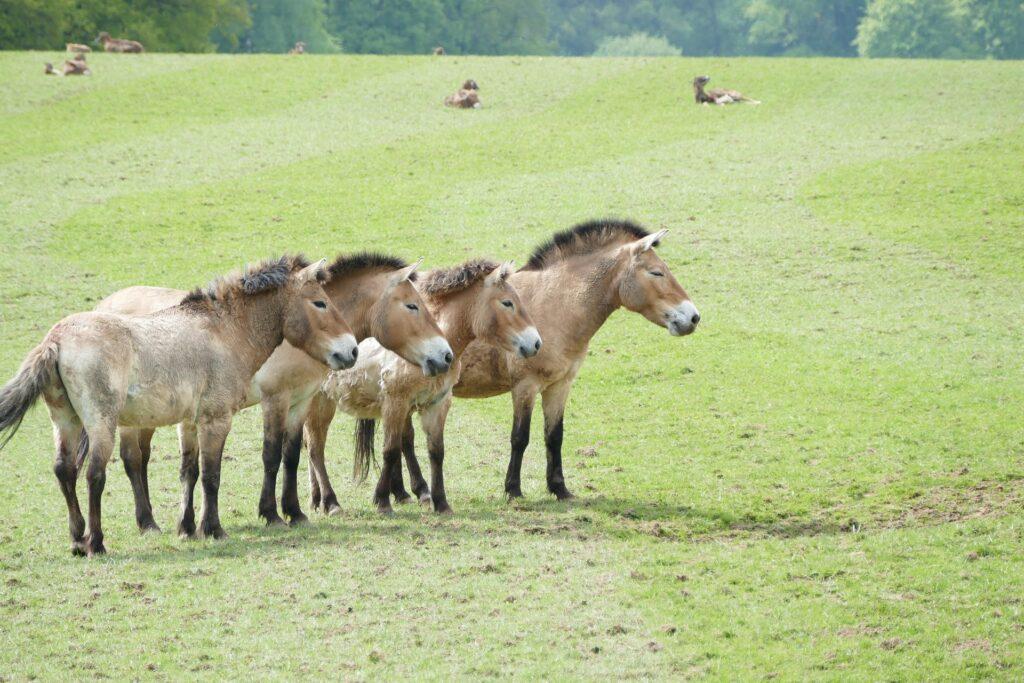
GTB: The Tennenlohe Landscape Conservation Association organizes guided tours to see wild horses right near the Hotel Luise in Erlangen.
PETA’s Rating
Positive: One positive aspect is that visitors mostly observe the horses from a distance.
Negative: First, we must ask why Przewalski’s horses—a species whose native habitat lies in the Asian steppes and not in Germany—are being used here as “landscape stewards.” Ultimately, these animals are being exploited as part of a project created by humans. As a general rule, wild animals should not be exploited for tourism or landscape management purposes.
According to information on the website, the Przewalski stallions currently in use also come from the Nuremberg Zoo—a zoo that operates one of the last two dolphinariums in Germany and has repeatedly drawn negative attention for its reckless treatment of sentient beings.
#4 Wildlife Reserve in the Dobel Valley in the Black Forest
GTB: How about the Dobeltal Wildlife Reserve in Bad Herrenalb, right near the SCHWARZWALD PANORAMA? Visitors can see roe deer and red deer there.
PETA’s Rating
In principle, PETA believes that animals should not be confined for the sake of human recreation. Anyone who wants to experience native wildlife should observe it in the wild. Wildlife parks are no more “animal-friendly” than other zoological facilities.
#5 Dörverden Wolf Center

GTB: Close to the family-run Hotel Okelmann’s in Warpe, Lower Saxony, is the Wolfcenter Dörverden, a popular destination for families.
PETA Rating
Positive: We view the adjacent wolf rehabilitation center—where wild wolves are rehabilitated and, whenever possible, released back into the wild—in a positive light. It is particularly important that the animals be housed with as little direct human contact as possible so as not to jeopardize their return to the wild. We also expressly support the message that humans and wolves can coexist in Germany.
Negative: We take a critical view, however, of the zoo’s actual operations, which include several wolf enclosures where various wolf subspecies are on display. This raises the question of where these animals come from and whether they were bred specifically for captivity and display. From our perspective, it would make more sense to take in wolves that cannot be released into the wild—essentially functioning as a rescue center—and provide them with long-term care, rather than “acquiring” and confining animals purely for the purpose of display. Added to this are offerings such as feeding demonstrations, a petting zoo, and alpaca hikes, which reinforce the park’s character as a recreational and entertainment attraction. While there are educational programs, overall the visitor experience seems to take precedence over the protection of the animals.
“Animal suffering is sometimes staged as a volunteer experience”
GTB: Many of our readers would like to “do something good” by getting involved in volunteer opportunities at wildlife resorts or rescue centers, for example. What is your opinion of these programs?
Yvonne: The desire to help is fundamentally positive. Unfortunately, some organizations deliberately market animal suffering as a volunteer experience. That is why travelers should take a very critical look at volunteer opportunities as well.
How to spot a reputable animal shelter
Reputable wildlife rescue centers take in injured, confiscated, or orphaned animals, provide them with a life that is as species-appropriate as possible, and prepare them (when possible) for release back into the wild.
Problems arise when volunteers have direct or inappropriate contact with wild animals, feed baby animals, take photos with them, or use animals for tourist activities.
Once again, the following applies: If the visitors’ experience seems more important than the animals’ needs, then the project is usually focused on tourism rather than animal welfare. —Dr. Yvonne Würz

GTB: Rescue center, sanctuary, or wildlife park—many facilities use similar terms, and they all sound like they’re dedicated to animal welfare. But how are travelers supposed to know whether an organization is actually working in the best interests of the animals?
Yvonne: Unfortunately, terms such as “sanctuary” or “rescue center” are not regulated and are often added to these facilities’ names to make them more appealing to tourists. Therefore, the most important rule is: Don’t focus on the name; focus on the facility’s actual work.
Reputable rescue centers, for example, do not breed animals because the limited space is needed for animals in need. Furthermore, they do not offer interactions with the animals in their care, photo opportunities, or feeding sessions. Instead, the animals live in spacious enclosures that are as close to their natural habitats as possible and provide places for them to retreat.
Tips on Wildlife Rescue Centers
Transparency regarding the animals’ origins, living conditions, and future is also an important factor. Here, too, it’s important to do some research before visiting to identify questionable facilities. We’ve compiled some tips on this at https://www.peta.de/themen/wildtierauffangstationen/
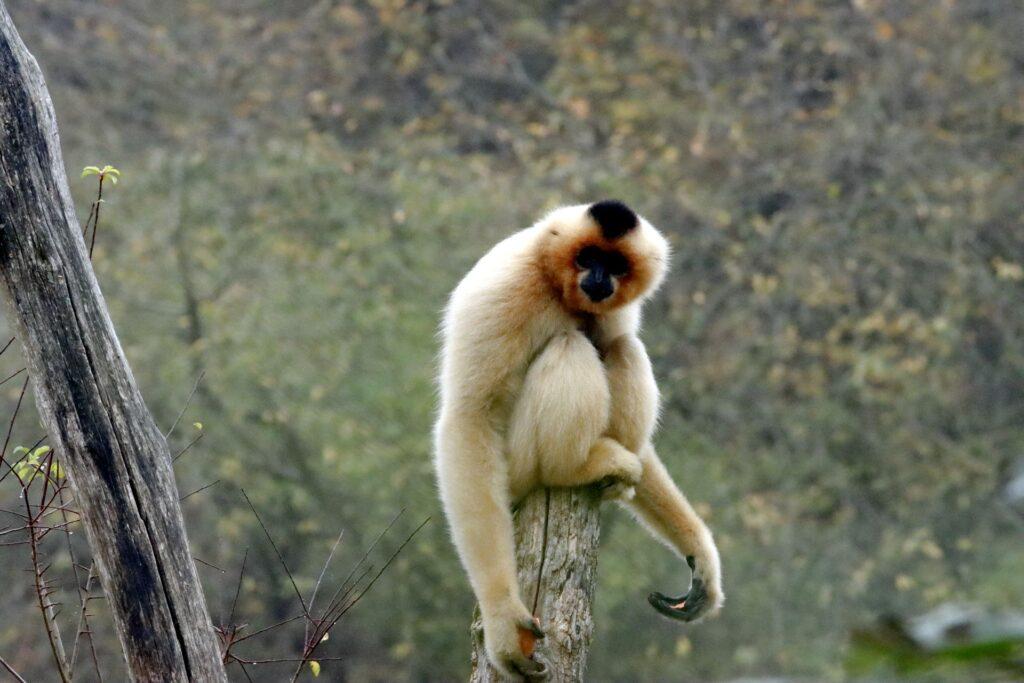
GTB: Finally, we’re interested in knowing what we, as travelers, can do if we see animals being mistreated or exploited for the sake of tourists while on vacation. Should we report it? If so, who should we contact?
Yvonne: Absolutely! If travelers witness animal welfare violations, they should document their observations with photos or videos whenever possible, provided it can be done safely. They should then notify local animal welfare organizations, the relevant authorities, or veterinary offices. In addition, they should contact the respective tour operator or tour provider, bring the animals’ suffering to their attention, and urge them to remove activities involving animals from their program.
Every report can help draw attention to problems and bring about change in the long run. — Dr. Yvonne Würz
GTB:Thanks for clarifying that again! Is there anything we can do from home?
Yvonne:Of course, there’s an important rule for those staying home, too: you shouldn’t give cruel vacation attractions any exposure on social media by watching or sharing their videos.
GTB:Studies also show that simply commenting on and sharing images boosts algorithm rankings and popularity, even if you write a negative or critical comment.
Yvonne: That’s right! The tourism industry must consistently move away from business models based on the exploitation of animals. Animals are not means of transportation, photo props, or objects of entertainment, but living beings with feelings and personalities.
GTB: Thank you for the interview!
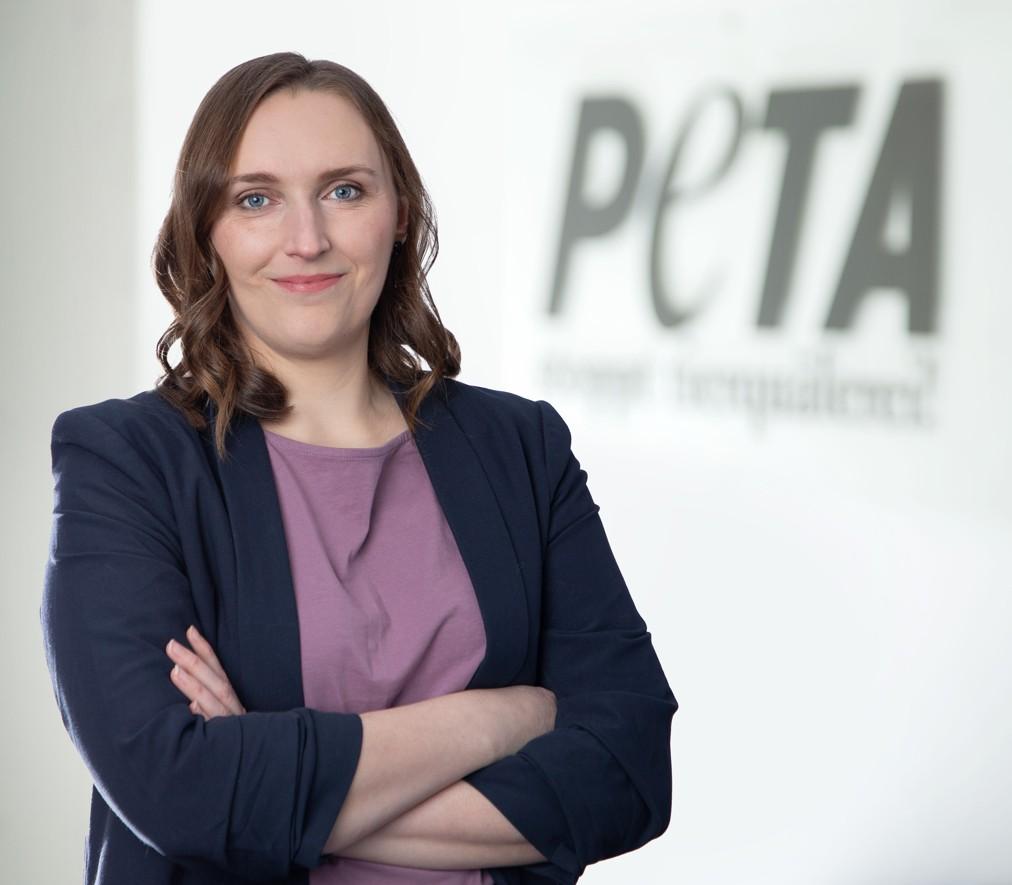
About the interviewee: Dr. Yvonne Würz has a Ph.D. in biology and has been PETA Germany’s expert on animals in entertainment since 2017. As a wildlife and behavioral biology expert, she raises awareness about animal abuse in zoos, circuses, and tourist attractions, as well as the ethical issues surrounding keeping animals in captivity.
PETA Germany was founded in late 1993 and is the largest animal welfare organization in the country dedicated to defending animal rights. PETA’s partner organizations are supported by more than 10.4 million people worldwide. Other partner organizations are active in Asia, Australia, France, the United Kingdom, India, the Netherlands, Switzerland, and the United States.
PETA’s motto is: Animals are not here for us to experiment on, eat, wear, use for entertainment, or exploit in any other way.
Save this interview on Pinterest.


The warning about trusting labels like “Wildlife Sanctuary” is especially important—tourists should look beyond the name and ask whether their visit genuinely supports animal welfare and habitat protection. Dr. Würz’s emphasis on strict conditions offers a useful framework for making more responsible choices.