Is a mountain a historical landmark? I recently stumbled across this question from the comment of a hotel. No, of course, a mountain cannot be classified as historical, no matter how old it is. The word historical was used until the late 18th century to refer to stories and narratives, whether fictional or true. Today, the term historical refers to things that are ancient, anything that can be classified in time. And there are plenty of them around our Green Pearls partners!
Naturresort Schindelbruch
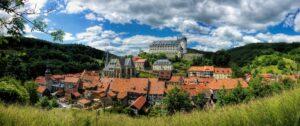
At this sustainable hotel, you’ll encounter history at every turn. The Princes Stolberg Stolberg already knew how unique the place was. In 1928, the princes built the princely hunting lodge “Schindelbruch” on the site. Later a mountain inn was built there and in GDR times it was converted into a company holiday home. It was more by chance that Dr. Clemens Ritter von Kempski and his family discovered the southern Harz in the 1990s. In 2003, he acquired the property and thus laid the foundation for the Schindelbruch, which has become a flagship project of sustainable tourism. In the immediate vicinity of the hotel, you will also find the castle, which was the ancestral seat of the Counts and later Princes of Stolberg-Stolberg in the 13th century until 1945. Today it is used as a museum.
 ADOBE©LianeM
Also, worth seeing, is the Kyffhäuser Monument, also called Barbarossadenkmal. It was dedicated to Emperor Wilhelm and is located in the Kyffhäuser Mountains, hence the name. If you are desiring more history, you can visit the Josephskreuz Stolberg, it is the largest iron double cross in the world.
After so much concentrated history, soul and body will be happy about a little wellness. To relax, the Schindelbruch Spa is available on 2500 square meters with various pools, saunas, and relaxation rooms. And because it is best to enjoy with all your senses, we also recommend the spa bistro with light and healthy delicacies.
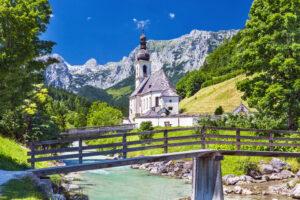
Berghotel Rehlegg
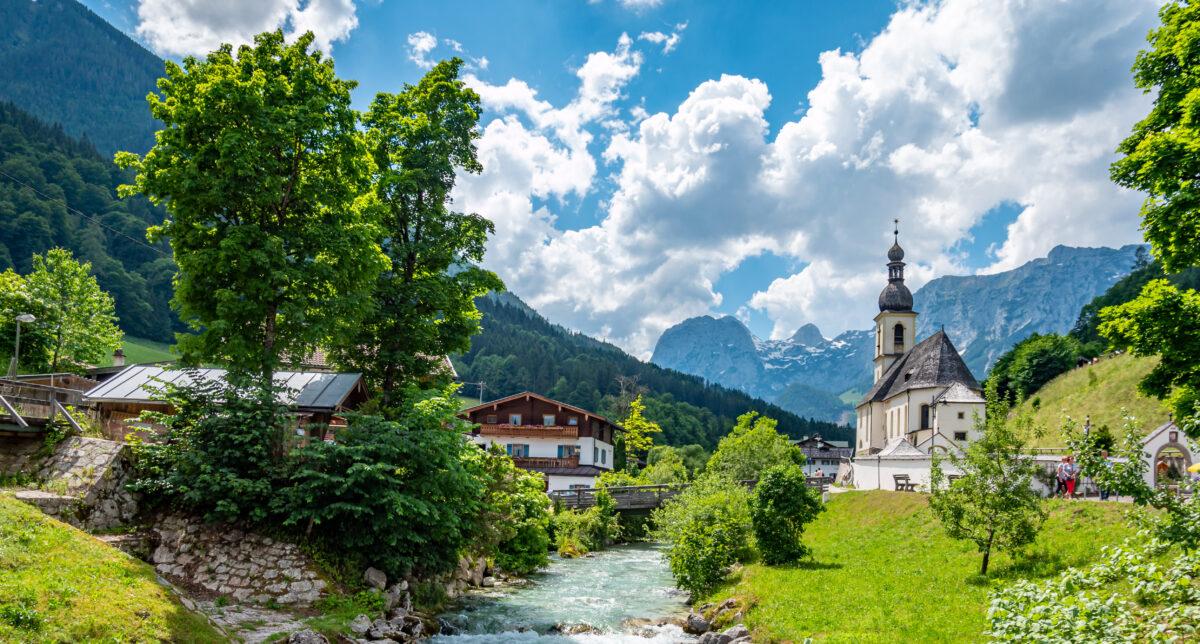
The Berchtesgadener Land offers everything the eye could wish for in terms of natural sights. At Berghotel Rehlegg, nestled in the national park, a spectacular view of the Berchtesgaden Alpine National Park awaits you. Nature is the trump card, but the region also has a lot to offer in terms of historical sights: A visit to the Obersalzberg Documentation Center high above Berchtesgaden is fascinating. It is a place of learning and remembrance that presents the history of Obersalzberg in connection with the National Socialist dictatorship in multimedia form. The exhibition is currently being expanded and is closed during the renovation phase. We also have an exceptional recommendation to expand your cultural and historical knowledge with a visit to the world-famous parish church of St. Sebastian. You all know the Christmas carol “Silent Night, Holy Night”. The lyricist Josef Mohr was once an assistant parish priest here. This is something you can surprise your fellow men with from time to time. Also, worth a visit is the idyllic pilgrimage church Maria Himmelfahrt on the Kunterweg – a late rococo jewel with an imposing wooden altar.
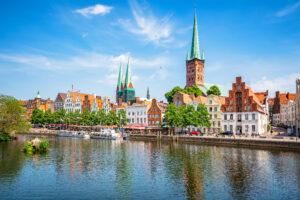
Lifestyle Hotel SAND
We have also asked around in the north of Germany what historical sites can be discovered near the green pearls in historical so. Marion Muller from Lifestylehotel SAND recommends a day trip to Lübeck with a visit to the Hansemuseum. Opened in 2015, the museum impressively shows the history of the Hanseatic League, an alliance of merchants in the Middle Ages. The Hanseatic city of Lübeck was the informal capital of the Hanseatic League and still bears the name Hanseatic City today. Also, from this period are the buildings in the style of brick Gothic, which are famous for Lübeck. The Holsten Gate made of brick is the landmark of the city. It served to shield the old town, which was situated on an island.
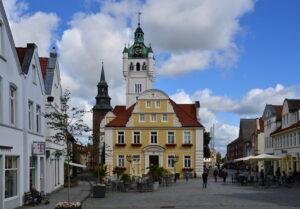
Okelmann’s, Warpe
And Kristin from Okelmann’s in Warpe has several tips on how to spend your day historically- such as a visit to the collegiate church of St. Materniani et St. Nicolai in Bücken or the old towns of Verden and Nienburg and the Loccum monastery. In Verden on the Aller in the heart of Lower Saxony you can admire impressive sights. Imposing is the cathedral, which was probably built by Charlemagne. Until the 17th century, Verden consisted of the towns of Norderstadt and the fishing town to the south of it to form today’s Verden. Only the Swedish queen united both cities to today’s Verden.
Do you have any tips that do not appear here? We are glad to read from you.
Read more: SUSTAINABLE FAMILY VACATION – BUT WHERE?
DO YOU LIKE THIS ARTICLE? SHARE IT!