GREEN TRAVEL BLOG - Page 10 of 173 - GREEN PEARLS® – curated for sustainable impact

Recent Posts

Ahrntal Schlutzkrapfen recipe from Prenn° Restaurant in South Tyrol

Ahrntal Schlutzkrapfen recipe from Prenn° Restaurant in South Tyrol

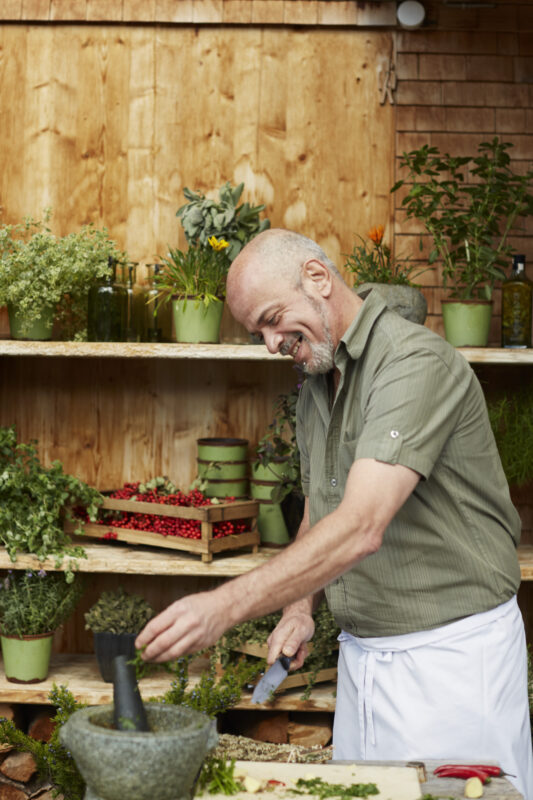
Schlutzkrapfen are a staple of South Tyrolean cuisine, especially in the Ahrntal Valley. Prenn° culinary director Bernie Aichner, from the Olm Nature Escape, reimagines this classic dish with gray cheese and apple chip butter. Here, he shares his recipe so you can bring a taste…

“Sustainability is common sense and good business.” An interview with STURM’s next generation

“Sustainability is common sense and good business.” An interview with STURM’s next generation

Sustainably managed hotels embody a particular mindset. This raises an interesting question when such hotels are handed over to the next generation: How does the younger generation view sustainable hospitality? For the Green Travel Blog, we spoke with Xaver Schulze Diekhoff (25), from the STURM…

Responsible Hotel Dining: Chefs You Should Know

Responsible Hotel Dining: Chefs You Should Know

According to traditional fine dining logic, the following has long been true: restaurant cuisine = a stage for fame; hotel cuisine = service. Today, however, this image has changed. Boutique hotels, resorts, and sustainable hideaways, in particular, offer chefs creative freedom, access to high-quality, fresh, regional ingredients, and an atmosphere that blends pleasure with attitude.

At our Green Pearls® accommodations, several chefs have a significant impact on their establishments through their culinary expertise. In fact, some guests travel specifically to experience their cuisine.


Vegan fine dining on the Seiser Alm: a journey to the restaurant and its awards

Aggeliki Charami, Paradiso Pure.Living · LA VIMEA · OMNIA plant-based restaurant

Vegan chef Aggeliki Charami with a piping bag
Aggeliki Charami | OMNIA


A perfect example of this new breed of sustainable chefs is Aggeliki Charami. She is considered one of the most innovative vegan chefs in the Alps. In just two years in South Tyrol, the Greek-born chef has built a remarkable career and won a number of awards (including from Gault&Millau).

Ageliki Charami arrived in South Tyrol as an outsider, but her vision for vegan fine dining was immediately recognised. And not only that. The hosts at the Paradiso Pure.Living Vegan Hotel gave her a lot of creative freedom. Together, they decided to take the long-awaited next step with Paradiso Pure.Living, evolving from a vegetarian-vegan concept to a fully vegan hotel. They have also created the OMNIA plant-based restaurant, where guests can experience Charami’s plant-based cuisine and special approach at a fine dining level, even independently of a hotel stay.

What sets her cuisine apart is her storytelling, which combines the dark, mystical mountain world with the Mediterranean joie de vivre of her Greek heritage. As a chef, she loves to experiment with fermentation, textures, and lesser-known regional produce. For her, sustainability and respect for ingredients form the basis of her work.

She also oversees the culinary concept at LA VIMEA, the adults-only vegan hotel in Naturns, working with her dedicated team, where the cuisine reflects a garden-inspired approach, complementing the more alpine and bold character of the dishes at Paradiso on the Alpe di Siusi.

Find out more about Aggeliki Charami in this interview.


South Tyrolean haute cuisine and celebrity chefs

Berni Aichner, PRENN° culinary director at OLM Nature Escape

Sustainable cuisine in South Tyrol with chefs Berni Aichner and Theodor Falser
Berni Aichner (left) at a cooking event with Michelin-starred chef Theodor Falser


Berni Aichner is another prime example of the impact a chef can have when a hotel grants him true freedom. As the culinary director of PRENN° at the young OLM Nature Escape, Aichner has had a decisive influence on the aparthotel’s culinary identity. He played a key role in Gault&Millau naming OLM Nature Escape the 2026 South Tyrolean Hotel of the Year.

Berni Aichner gained experience at the highest level, including working as a sous chef for Norbert Niederkofler, one of Italy’s most renowned three-star chefs. Today, he oversees the overall culinary concept, implementing his vision of contemporary slow food cuisine in South Tyrol’s Ahrntal Valley: regionally rooted, precisely crafted, and full of flavor.

The PRENN° is exclusively for hotel guests. However, Berni Aichner opens his kitchen to outside guests for select events. Whether it’s a four-handed dinner with Michelin-starred chef Theodor Falser or special cooking events with Reinhold Messner, Aichner’s cuisine is made accessible to a wider audience.

The following menu is a good example of what that tastes like: red tuna tartare with wild garlic and chanterelles; char with buckwheat miso, kohlrabi, and chive oil; an intense beetroot risotto; braised veal cheeks with potato and wasabi cream, watercress, burrata, and fried lemon powder; and, for dessert, marinated strawberries with balsamic ice cream, yogurt foam, and oatmeal crumble.


Allgäu cuisine reinterpreted

Erik Wendt, Hotel Das Rübezahl

Chef Erik Wendt Hotel Das Rübezahl – sustainable gastronomy
Head Chef Erik Wendt ©Hotel Das Rübezahl


Erik Wendt, the chef at Hotel Das Rübezahl, defines his cuisine succinctly as modern with great attention to detail. How does he combine cosmopolitanism and a love of home in a new culinary way? His answer: a great team, the finest ingredients, and a great deal of love for his job. He learned his trade at the Mercure Hotel in Leipzig and was discovered and promoted by Michael Lacher of the Alte Sonne in Ludwigsburg. After working at some of Germany’s best restaurants, he and his family moved to Schwangau in 2011 and joined the Hotel Das Rübezahl.

He recorded the knowledge and experience he gained over the years in his “white book,” which he gives to each of his trainees. The book provides the trainees with a basis for developing new recipes by listing all the basic recipes inside. But when Erik cooks, he doesn’t just prepare food; he creates happiness in a spoonful. It’s evident in every bite. Using the principle of the aroma circle, Erik creates dishes that appeal to all the senses with different flavors and textures.

One of his most famous creations is his vegetarian version of “Krautkrapfen,” an Allgäu specialty consisting of dough rolls with sauerkraut, onions, and apples. Read more about this dish and other must-try Allgäu cuisine in Erik Wendt’s blog post.


“Secret Forest” dinner events as a highlight and “special cuts” from dry-aged beef at the hotel

Sascha Förster, Klosterhof Alpine Hideaway & Spa


sustainable chef, Klosterhof, Sascha Förster© Klosterhof Alpine Hideaway & SpaWhen you place yourself in the culinary hands of Sascha Förster and his team, you will experience gourmet moments at their finest. With enthusiasm and passion, he creates extraordinary menus for the guests of his regular fine dining experience, “Secret Forest”, among other things. You book a place at a secret location, a table with 12 seats, and a special fine dining menu from the chef. The ingredients for it come directly from the region and are seasonal.

Sascha Förster has designed the daily evening menu for guests at the Klosterhof – Alpine Hideaway & Spa as a “GenussArt Menu.” You can choose between “Chef’s Choice” (featuring whatever is currently available from the fields and forests), “Bergwiese” (traditional Alpine cuisine and modern variations thereof), and “Kraut & Rüben” (vegetarian and/or vegan creations). However, his latest passion is “Special Cuts” from dry aged beef. The in-house dry-ager (a special refrigerator for dry-aging beef) gives the meat “an intense aroma, incomparable tenderness, and depth of flavor.”


Enjoy sustainably sourced seafood and beloved family recipes

Giuseppe Schimmenti, ADLER Spa Resort SICILIA

Authentic cuisine in Sicily / Chef portrait
Head chef | ©ADLER Spa Resort SICILIA by Alex Filz

For Giuseppe Schimmenti, Sicilian cuisine is more than just a culinary tradition; it’s a way of life. As the head chef at the ADLER Spa Resort SICILIA, he takes his guests on a culinary journey through the flavors, stories, and memories of his home island. Sicily, the largest island in the Mediterranean, influences his cuisine with its abundance of fish, seafood, Mediterranean herbs, olive oil, and citrus fruits, all of which are sourced locally from the immediate vicinity of the resort.

Food played an important role in Giuseppe’s childhood. His grandfather was a fisherman who brought home fresh fish daily, and his grandmother lovingly prepared pasta dishes, often incorporating squid ink. These memories of flavors, aromas, and family meals continue to influence his cuisine to this day. “When you stroll through the streets of Palermo, you quickly realize how central food is,” he says.

At the ADLER Spa Resort SICILIA, he translates this food culture into contemporary, sustainable hotel cuisine. Giuseppe places particular importance on high-quality ingredients and traditional production methods. For his homemade pasta, for example, he uses a Sicilian variety of ancient wheat native to the region that is ground in a traditional mill. Dishes such as maltagliati and tortellini stuffed with squid are among his and his guests’ favorites.

Giuseppe Schimmenti took us on a virtual culinary journey through Sicily for our blog, introducing us to the island’s must-try dishes.


25 years as a hotel chef in the heart of the Alpine National Park

chefs from sustainable hotels, Naturhotel Outside, Redenko
© Naturhotel Outside

Radenko Jovicic, Naturhotel Outside

The chef of Naturhotel Outside, Radenko Jovicic, has a moving story. He came to Matrei, Austria during the Yugoslavian War. The talented, self-taught chef has worked in the Naturhotel Outside’s family businesses for almost 25 years. In that time, he has literally worked his way up from janitor to head chef. Together with his team, he has set the goal of offering a “sustainable surprise of the senses” through his cuisine.

Guests can enjoy a freshly prepared snack every afternoon and a six-course gourmet menu every evening. Vegan and vegetarian options are always available. The menu also features homemade products, such as brown bread made from East Tyrolean original wheat, homemade jams, and syrups. Food from the nature hotel’s garden or the region finds its way into the kitchen. Radenko’s simple formula is, “The shorter the distance, the fresher the food. The closer the farm, the better the taste.”


Healthy & light cuisine for guests on the Atlantic coast

Fernando Hernández Izquierdo, OCÉANO Health Spa Hotel

Cuisine in Tenerife. Chef prepares a dish. View of the pool, palm trees, and Atlantic Ocean.
Head Chef Fernando ©OCEANO Health Spa Hotel


Fernando Hernández Izquierdo has established a unique culinary experience at the OCÉANO Health Spa Hotel, blending traditional Canarian cuisine with the resort’s holistic approach to health.

His dishes feature classics like mojo, a spicy cold sauce, and fresh Atlantic fish. Rather than using complex techniques, he focuses on high-quality basic ingredients, gentle preparation, and clear flavors. Many of his dishes feature cumin, garlic, paprika, and fresh coriander, complemented by an abundance of vegetables, legumes, and regional crops. His goal? Healthy food that nourishes without weighing you down.

“Our goal is for guests to feel energized after eating, not tired or overwhelmed,” says Fernando Hernández Izquierdo. In the linked article, he reveals which dishes accomplish this and shares his recommendations for the must-try foods in Tenerife.


Head chef and “flavor gardener” in the Maldives

Hari Govindaraj, Gili Lankanfushi Malediven

Hari Govindaraj has led the kitchen team at Hotel Gili Lankanfushi with great talent and skill for over 13 years. Born in southern India, Govindaraj discovered his passion for cooking at a young age. He has a unique culinary style and a special interest in vegan cuisine.

Govindaraj gained valuable inspiration from renowned Michelin-starred chefs, such as Raymond Blanc of Le Manoir aux Quat’ Saisons (two Michelin stars) and Pierre Gagnaire, one of the most influential three-star chefs in international haute cuisine. These experiences continue to influence his finely balanced, aromatic cuisine.

Some of the herbs, vegetables, and fruits used by Hari and his team come from the lush garden, which he is also responsible for. Here, he finds the ingredients for his special creations, such as aloe vera ceviche, avocado and garden leaf gazpacho, and citrus fruit salad.

If you’re interested in delving deeper into Hari Govindaraj’s philosophy, you can find a detailed portrait of him at Lightfoot Travel. He also shares some of his vegan recipes there.


Sustainable hotels offer chefs a new role

The chefs featured here redefine hotel cuisine as a creative force and an expression of a hotel’s philosophy. They are also a reason for guests to visit. Their menus are as unique as their life stories, yet they share a common philosophy: offering high-quality cuisine made with regional and seasonal ingredients, a preference for organic products, and a commitment to respecting nature and the origin of ingredients.

Many Green Pearls® hotels provide their chefs with the necessary space to achieve this goal, offering them their own gardens, short supply chains, an open ear, and a clear commitment to sustainability.

We are excited to see where these chefs’ culinary paths will lead. We are convinced that their influence on sustainable hospitality will continue to grow. As so often happens, we see our partners as pioneers in this area.

This is an update from November 29, 2022.


And save one of the two pins below for your next vacation.


Solo with a child: More sustainable and conscious travel

Solo with a child: More sustainable and conscious travel

Are you planning a vacation—just you and your child? And would you like to collect beautiful memories while teaching and exemplifying sustainability? If so, you’re not alone. Experts agree: traveling alone with your child not only possible, but also incredibly enriching for both of you.…

Snack Gardens: Hotels with experience-driven garden concepts and a focus on responsible practices

Snack Gardens: Hotels with experience-driven garden concepts and a focus on responsible practices

A snack garden is exactly what the name suggests—you can and should help yourself! Pick berries from the bushes, eat an apple straight from the tree, and rub a few herbs between your fingers. Everything that grows here is edible, fragrant, and ready to be…

“A dish about one ingredient (onion) across all its lives, inside an ocean of umami.” – Aggeliki Charami


Handmade tortellini with an umami filling

Portrait Aggeliki Charami at Omnia Restaurant
Chef Aggeliki Charami ©Paradiso Pure.Living Vegan Hotel

Ageliki Charami, the executive chef at the Paradiso Pure.Living vegan hotel, LA VIMEA and the OMNIA plant-based restaurant, has a penchant for Asian and Japanese cooking techniques, as well as umami flavour. This vegan recipe, which she shared with us, is the most elaborate one on our blog so far and is perfect for special occasions. The noodle dough, which is coloured with a little turmeric, is the easiest part.

The onion-umami filling, on the other hand, requires a trip to a Japanese speciality store. The flavour of the caramelised onion is enhanced by kombu (seaweed), shiro miso (Japanese seasoning paste), umeboshi (fermented Japanese fruit) and rice wine.


Sustainability fact: seaweed is considered the vegetable of the future. It grows without the need for freshwater or fertiliser, and it absorbs huge amounts of CO₂. However, importing it from Japan undermines its environmental sustainability due to the long shipping distances involved. A more climate-friendly alternative is to source seaweed (kelp) from Europe, for example from France or the Baltic Sea.


But the dish is far from finished yet . As we work our way through the recipe, we’ll make our own rosemary oil (it’s easier than it sounds!) and prepare three different onion toppings for more experienced cooks, as well as a seaweed bisque and a lemon potato cream. We’ll then “dab” these onto the dish before serving.

By the way, this is what Aggeliki says about the recipe:

This recipe is really simple. I created it so that you can easily make it at home, without needing any special restaurant equipment or complicated techniques.”

Well then! Go for it and surprise your guests (or just your favorite person) with this special dish. We hope it turns out great, and enjoy your meal!

PS: If you would like to tell your guests about the creator of this dish when you serve it, take a look at the interview with Aggeliki Charmi here.


A white, wavy bowl with vegan onion & sea tortellini on a blue background, text with the recipe title and a reference to the Green Travel Blog

Vegan Tortellini Recipe “ONION & SEA” by Aggeliki Charami

Fine Dining Recipe: Homemade turmeric tortellini with seaweed, rosemary oil, pickled onions, and a crumble of caramelized onions.
Prep Time 3 hours
Course Main Course
Cuisine European, Japanese, Vegan
Servings 4 people

Equipment

  • pasta machine optional
  • dough mixer optional
  • blender / food-processor

Ingredients
  

Turmeric Tortellini Dough

  • 450 g Flour (Italian Tipo 00 flour)
  • 225 g Water
  • 15 g Salt
  • 15 g Turmeric

Umami Onion Filling

  • 450 g caramelized onions
  • Margarine and sugar to caramelize
  • 40 g Kombu (Seaweed/Kelp)
  • 30 g Ginger powder
  • 3 cloves Garlic
  • 80 g Black pepper
  • 80 g White miso (Shiro Miso)
  • 100 g Mirin (Japanese rice wine)
  • 100 g Walnuts
  • 40 g Maple syrup
  • 15 g Umeboshi (fermented ume plums)
  • 40 g Sesame oil
  • 80 g Apple cider vinegar
  • Salt & white pepper to taste

Burnt onion crumble

  • 500 g Oven-roasted onions
  • 100 g Almond flakes
  • 500 g Crushed almonds
  • 250 g Oats
  • 42 g Baking powder
  • 260 g Flour (Italian Tipo 00 flour)
  • 240 g Aquafaba (chickpea water)
  • 12 g Salt
  • 120 g Sunflower oil

Rosemary oil

  • 130 g Spinach
  • 50 g Rosemary
  • 400 g Sunflower oil

Roasted & caramelized onions

  • 2-6 whole Onions with skin (as many as you like)

Pickled Onion

  • 500 g Thin sliced onion
  • 300 g Rice or apple vinegar
  • 120 g Sugar
  • 20 g Salt
  • 50 g Mirin (rice wine)
  • 1 sheet Kombu (seaweed)
  • 5 g Black pepper

Lemon Potatoe Cream Sauce

  • 170 g Lemon juice
  • 35 g Sugar
  • 250 g Boiled potato
  • 500 ml Olive oil
  • Salt to taste

Seaweed Bisque

  • 40 g Kombu (seaweed)
  • 20 g Wakame (algae)
  • 10 g Nori (algae)
  • 300 g Onion
  • 200 g Leek
  • 100 g Celery
  • 250 g Mushrooms of your choice
  • 6 cloves Garlic
  • 80 g Tomato paste
  • 60 g White miso (Shiro Miso)
  • 100 g Mirin (rice wine)
  • 150 g White wine
  • 30 g Maple syrup
  • 2 l Water
  • 80 g Olive oil

Instructions
 

For the Rosemary Oil

  • Heat oil to 40°C.
  • Add the spinach and rosemary, and stir gently for 5 minutes.
  • Strain through a fine cloth.

For the Umami onion filling

  • Place all the ingredients in a food processor and blend them into a thick umami paste.
  • Chill 2 hours before filling.

For the onion crumble

  • Mix all ingredients (onions, almonds, oats, flour, baking powder, aquafaba, oil, salt)
  • Chill for 2 hours.
  • Bake the crumble in the oven at 170 °C on the convection setting for 15–20 minutes. Stir it frequently until the crumble is crispy.

For the pickled onion

  • Bring all the ingredients except the onions (i.e., vinegar, water, sugar, salt, mirin, kombu, and pepper) to a boil in a pot.
  • Pour hot over onions and let it sit for 1 hour.
  • Drain lightly; the onions shouldn't be completely dry.

For the seaweed bisque (soup)

  • Roast the vegetables (onions, celery, leek, mushrooms).
  • Add tomato paste and deglaze with wine and mirin.
  • Add seaweed and water; simmer for about 45 minutes.
  • Blend the bisque. Finish with miso and maple syrup to taste.

For the turmeric tortellini

  • Mix flower, turmeric and salt.
  • Add water and knead 8–10 minutes until smooth.
  • Put it in a zip-top bag or wrap it in plastic wrap or wax paper (it's important that the top layer doesn't dry out!) and let the dough rest for 30–45 minutes.
  • Roll to thin sheets (pasta machine No. 6–7) and cut them into 6 × 6 cm squares.
  • Fill each pasta square with 6–8 g of the filling and fold into tortellini. This needs a bit of practice, but you'll get the hang of it.

For the roasted and caramelized onions

  • Roast the whole onions with skin at 180°C for 30 minutes.
  • Peel and separate into layers.
  • Caramelize gently in pan.

For the lemon potato cream

  • Blend all ingredients (Lemon juice, sugar, potatoes, Olive oil, salt) into a smooth acidic cream.

Final Plating

  • Cook the tortellini for about 2–4 minutes in a large (!) pot.
  • Pour seaweed bisque into the bowl.
  • Add the cooked tortellini and top with the lemon-potato cream.
  • Add caramelized onion petals.
  • Add pickled onion.
  • Sprinkle with the onion crumble.
  • Finish with rosemary oil and nori powder.
Keyword Home-made Pasta, Vegan