
Some journeys are not optional. A parent on another continent, a conference that decides the next two years of your work, a wedding you are not going to miss. Telling people in that position simply not to fly is advice that helps nobody, and it tends to make the conversation smaller rather than larger. The more useful question is what happens around the flight, because a surprising share of a trip’s total impact is decided after you land, in choices that are far easier to change than the flight itself.
Ground transport decides more of the trip than the flight does
Once you are on the ground, the vehicle you spend the next week in matters enormously, and this is where travelers have the most genuine freedom. Looking at car rental options at DFW airport, for example, will show you hybrid and fully electric vehicles sitting alongside the standard fleet, often at a comparable daily rate.
Distances between cities can be long and a week of driving in a hybrid rather than a large gasoline SUV can mean a difference of well over a hundred kilograms of CO2 across a single trip.
Booking ahead is what makes this possible, because the low-emission vehicles are a small part of any fleet and they are the first to go. Reserve one when you book the flight, and the decision is already made. Turn up at the counter on the day, and you take whatever is left in the lot.
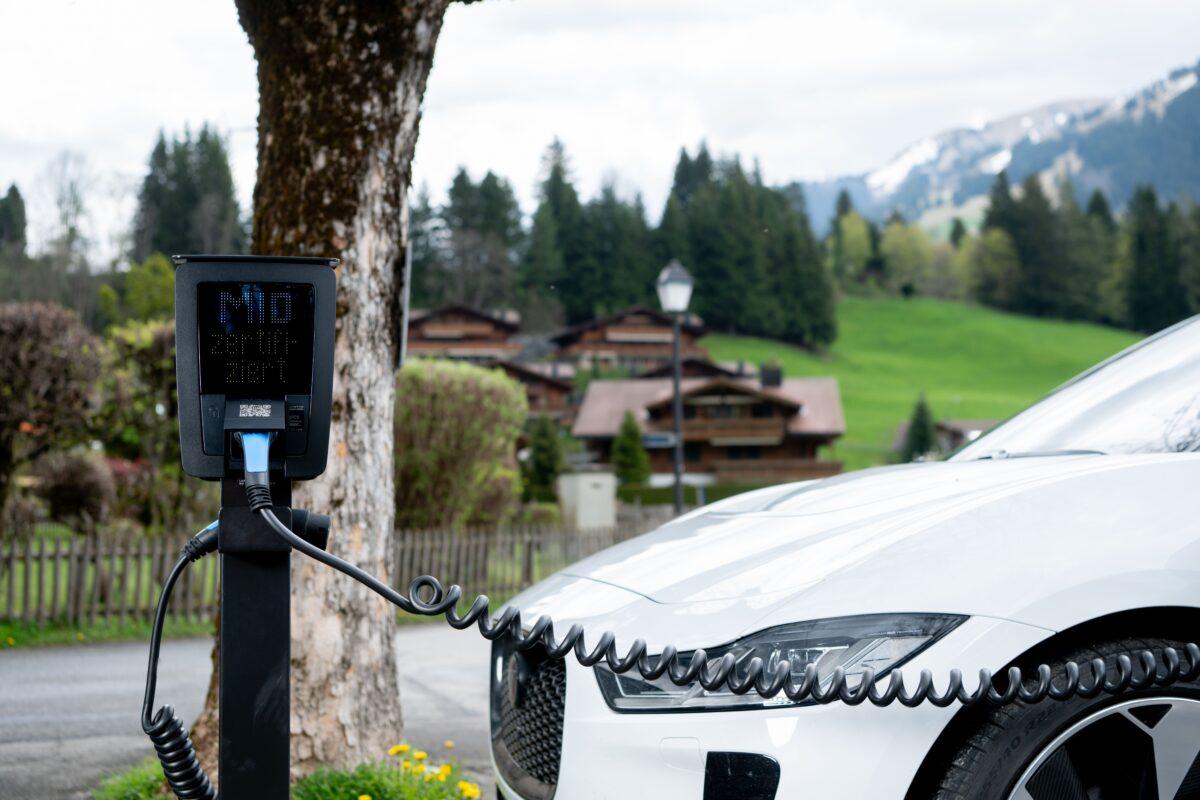
IMAGE: Pexels
Fly less often, and stay longer when you do
The single most effective change available to most long-haul travelers is not a different airline. It is fewer trips of greater length.
Two one-week visits to the same continent in a year carry roughly twice the flight emissions of one two-week visit, for the same amount of time spent there. Combining trips is unglamorous; it requires negotiation with employers and families, and it works better than almost anything else on this list.
This is also, incidentally, a better way to travel. A fortnight somewhere lets you settle into a place rather than photographing it. You shop at the same market twice. You find the café you like on day three and go back on day nine.
The details of the flight itself are worth ten minutes

- Direct routes beat connections, because takeoff and climb account for a disproportionate share of a flight’s fuel burn, and two short hops produce more than one long leg covering the same distance.
- Economy class carries a smaller per-passenger footprint than business, for the straightforward reason that a business seat occupies the floor space of several economy ones. That is a difficult trade on a fourteen-hour flight and one only you can weigh.
- Newer aircraft are meaningfully more efficient than the generation before them, and most booking tools now show the aircraft type. Between two similar fares, it is a reasonable tiebreaker.
Where you stay carries more weight than most people assume
Accommodation is where a trip’s daily impact sits, and the range between properties is enormous. Two hotels in the same city, with similar rooms at similar prices, can differ by a factor of three or four in energy and water use per guest night.
The things worth looking for are specific rather than atmospheric. On-site renewable generation. Heat recovery systems. A real water management plan in a region where water is scarce. Food sourced within a defined radius. Staff hired locally and paid properly, which is the social half of the equation and the half that most often gets left out.
Certification helps as a filter, though it is worth reading what a given label actually requires. Properties that publish their numbers, rather than their intentions, tend to be the ones doing the work. Green Pearls® makes this easier by clearly listing each hotel’s individual sustainability efforts, from resource use and energy to food sourcing and social responsibility, so you can see what a property is actually doing.

Eat where the food already is
Restaurant choices during a two-week trip add up to a larger number than most travelers would guess, and the variable that dominates is not distance traveled but what is on the plate.
Seasonal and local produce, less red meat, less seafood flown in from elsewhere. In Texas specifically, this points you toward the small-scale barbecue places and the farm-to-table restaurants that have become a real part of the state’s food culture, which is not a hardship in any sense.
Buying a few things and eating one meal a day from a grocery store also cuts waste, since restaurant portions in the United States defeat most visitors and the remainder goes in the bin.
Offsets are a last step, not a first one

Buying an offset (for example Tree-Planting) does not undo a flight, and treating it as a permission slip is how the whole idea got its poor reputation.
Used honestly, after you have reduced what you can, a well-chosen offset directs money toward something useful. Look for permanence, additionality, and third-party verification, and expect to pay considerably more than the ten euros a booking engine offers at checkout. Cheap offsets are cheap for a reason.
What this adds up to
None of this makes a long-haul flight disappear. What it does is stop the flight from being the only decision that mattered, which is the trap a lot of conscientious travelers fall into. They agonize over whether to go, go anyway, and then make a dozen unexamined choices on the ground that collectively rival the flight’s impact.
Book the efficient vehicle. Stay longer. Choose the property that publishes its figures. Eat what is grown nearby. Those four decisions take perhaps an hour of planning between them, and they are available to anyone whose trip is already non-negotiable.
*This is a guest article by Skyscanner

Staying longer makes the hotel’s daily footprint more consequential. Pairing “fewer trips of greater length” with the three- or fourfold difference between hotels suggests that combining visits should go hand in hand with checking accommodation figures.