
In 2015, the United Nations adopted the 2030 Agenda, a global roadmap for achieving sustainable development by 2030. At first glance, the 17 Sustainable Development Goals set out by the United Nations sound pretty ambitious and abstract. But what do they have to do with your next hotel stay?
Read more: From the UN to hotels: How the SDGs are being put into practiceMore than you might think! Hotels are employers, hosts, and buyers. They are also an integral part of their region. They decide where their food comes from, how they use energy and water, and how they treat their employees, guests, and local partners.
At Green Pearls®, we witness the diversity of this contribution every day. Hotels develop solutions that fit their capabilities and the needs of their region. The following examples illustrate just how varied the implementation of the SDGs can be in everyday hotel life.
Plant-Based Cuisine with Conviction

Since 2019, the Paradiso Pure.Living Vegan Hotel on the Seiser Alm has consistently transitioned its offerings to a plant-based diet. By the end of 2024, it had become the region’s first entirely vegan hotel. For you, this means, first and foremost, creative vegan dishes that show just how varied a vacation can be without animal products. In this way, the hotel contributes directly to Goals 12 and 13 (responsible consumption and climate action).
Sustainability, from building materials to the plate
At the Hotel My Arbor in South Tyrol, environmental and social initiatives are closely linked. By collaborating with regional producers, avoiding mass-produced goods, and using natural building materials, the hotel reduces its resource consumption. Energy-efficient building designs and renewable energy sources further support Goal 13.


Host Alexandra Huber sums it up this way: “It’s an ongoing process, and we’ll continue to optimize our strategies and actions.”
Small Steps, Big Impact
The Hotel Weihrerhof in Ritten is setting concrete standards with its modern heating systems, water-saving measures, and solar technology. This example demonstrates that even small businesses can make measurable progress through strategic investments.
Transparency Is King
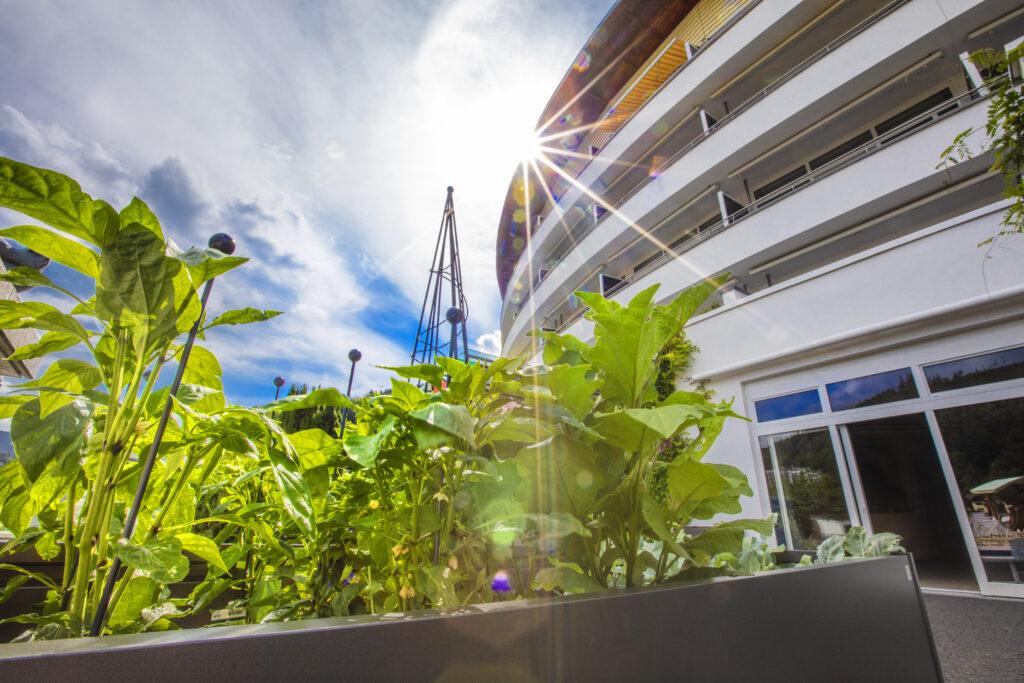
With a score of 90% on its GreenSign certification, the SCHWARZWALD PANORAMA hotel is a model of energy efficiency, climate-friendly operations, and sustainable city and community development. The hotel’s commitment to sustainability is further demonstrated through social initiatives and transparent reporting, such as its participation in the Baden-Württemberg WIN Charter and the German Sustainability Code.
If you want to see for yourself how a hotel measures up, these externally verified certifications are a much more reliable indicator than the wording on its website.
Using Education and Employee Participation as Leverage

If you book a stay at SANDnature on the Baltic Sea, you might run into one of the “SDG Scouts.” Young employees there receive specialized training to develop and implement their own sustainability ideas. This way, sustainability isn’t simply dictated from above. The team can help shape the process and drive change within the hotel. The focus here lies primarily on quality education and strong institutions, which is reflected in SDGs 4 and 16.
The Hotel Luise in Erlangen has a similar concept, just under a different name. The “Wall of Change” showcases current projects and links them to the 2030 Agenda. Here, education (Goal 4), climate action (Goal 13), and partnerships (Goal 17) all come together. The program is complemented by the Inner Development Goals (IDGs), which focus on personal skills such as mindfulness and responsibility.
Climate Protection Through Technology and Certification
The “ADLER for Planet” sustainability program, implemented at all ADLER Spa Resorts & Lodges, demonstrates the diversity of sustainable practices in hotels. This approach ranges from protecting biodiversity (Goal 15) to reducing waste and using renewable energy (Goal 7). There is also a special emphasis on resource-efficient water management and the sustainable procurement of regional and seasonal products. Transparency plays a central role in this process. Progress is regularly published and made available to guests and employees.
- The Green Pearls® network includes the ADLER Ritten in South Tyrol (a secluded retreat with a main building and wooden chalets surrounding a lake) and the ADLER Sicilia, a spa resort situated on a natural beach protected by WWF in Sicily.
Local Value Creation and Fair Labor

The Klosterhof – Alpine Hideaway & Spa in Bavaria was the first hotel in Germany to receive the EU Ecolabel. Its concept includes energy-efficient building systems, renewable energy, a waste prevention strategy, sourcing regional food, and supporting the local mountain rescue team.
Consumption, Nutrition, and Health

The Naturresort Gerbehof on Lake Constance doesn’t adhere to a specific set of SDGs, but its approach aligns with many of them. Solar power and miscanthus cultivation for the wood chip heating system make the hotel nearly energy self-sufficient. Its own springs and cisterns ensure a reliable water supply.
The Economy for the Common Good (GWÖ) reporting system documents this commitment to the outside world. Additionally, special offerings promote guests’ well-being, an aspect rarely considered in the SDGs.
What These Examples Show
None of these hotels treats the 17 goals as a simple checklist. Instead, each property selects goals that align with its size, region, and philosophy and implements specific measures in those areas. This is exactly what makes the SDGs tangible in the tourism industry.
When you’re choosing your next Green Pearls Hotel, it’s worth taking a look at which of these goals the property is specifically pursuing—and how you can tell.
FAQ and Tips:
What are the SDGs?
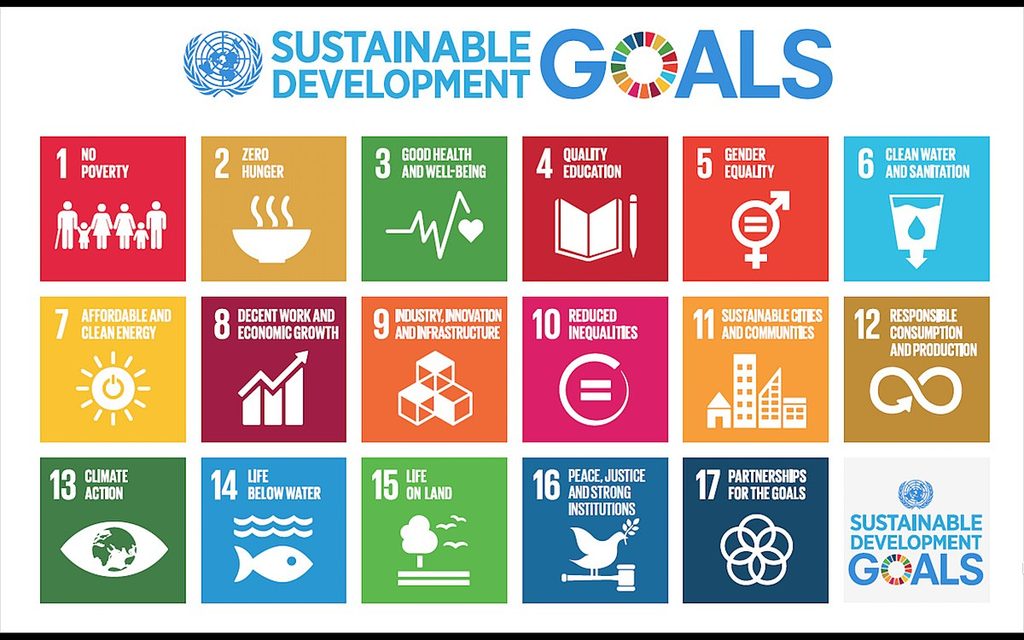
The 17 SDGs are the United Nations Sustainable Development Goals. They range from quality education and decent work to climate action and sustainable consumption. Hotels can use them as a guide and incorporate these goals into their day-to-day operations.
Does a hotel have to meet all 17 SDGs?
No. Each hotel has its own areas of focus, depending on its size, region, and philosophy.
How can I tell if a hotel is implementing the SDGs?
Look for concrete actions and transparent information regarding the implementation of the SDGs, such as:
- Energy and water consumption,
- Regional products
- Waste reduction
- Fair working conditions
You don’t have to find the perfect hotel. What matters most is that the business takes responsibility, operates transparently, and is committed to continuous improvement. Through your booking and your behavior while you’re there, you can support sustainable initiatives and help achieve the SDGs in tourism.


