
Green Pearls® the future of travel with this noble goal we started in 2012. Has the development in tourism caught up with us? What changes are local suppliers noticing? Are there new concepts for the current challenges and needs? We asked some of our Green Pearls® hoteliers about this:

Louis Balme, Puri Dajuma, West Bali
How do you think Corona will change travel patterns?
Travelers will prefer greener transportation and stays.
What sustainable vision do you have for the future of your hotel?
We want to preserve Bali’s unique nature and culture. We will offer our guests more cultural experiences with local villagers.
What changes are you already noticing? (Longer stays, guests using different modes of transportation, etc.)
There is no doubt that our guests’ commitment to sustainability has grown significantly over the past few years. With the Corona Virus, we expect the phenomenon to accelerate.
Barbara and Tomislav Tascijevic-Porwoll, Hôtel Le Pavillion, Paris
How do you think Corona will change travel patterns?
Destinations in one’s own country, in the countryside and in nature will take precedence as a way to regenerate and relax far away from everyday life. Self-catering apartments will certainly be more in demand in the future.
What changes are you already noticing? (Longer stays, different means of transportation for guests, etc.)
We see that the big cities are being avoided and, for example, Paris has reached zero in terms of tourism. Business tourism is also missing as people work at home and meetings are held online. Big events are cancelled.
What sustainable vision do you have for the future of your hotel?
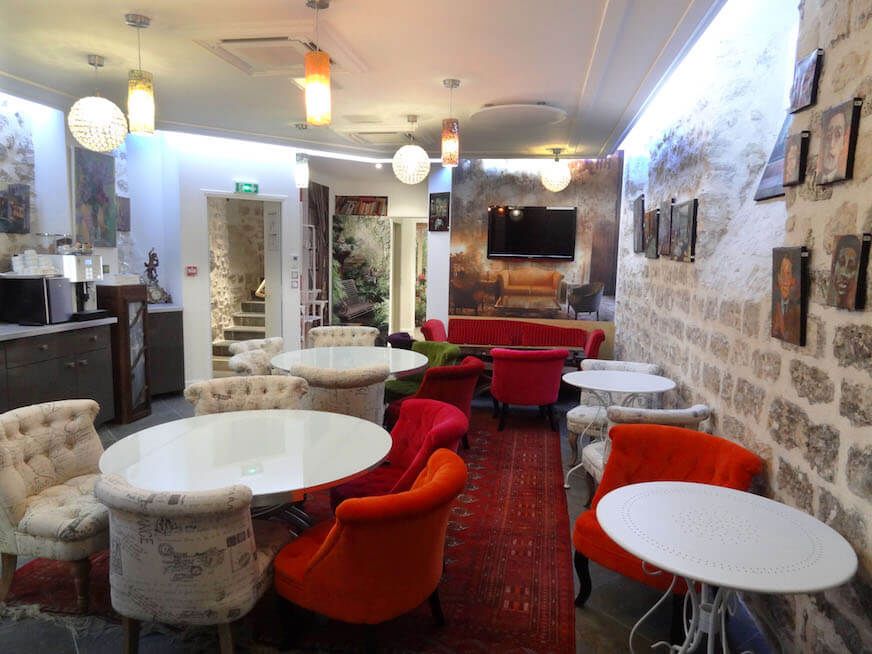
The only opportunity for us in the future here in the heart of Paris is our pioneering position in sustainability and health for the customer. Hôtel Le Pavillon is the first and only hotel in France to have a special air filtration system for asthmatics and to have harmonization of electro smog, vitalized water and rooms for electrosensitive people. Our Green Pearls certification, the European Eco-label and also Green Key are a guarantee of sustainable quality and therefore a basis for health and safety is always given with us for a stay in Paris.



José Koechlin von Stein, Inkaterra, Peru
How do you think Corona will change travel patterns?
Tourism is not only a source of inspiration, but also a human right. We humans need to travel, to move around, to experience the diversity of culture and nature abroad. Travel makes us wiser and more sensitive. It allows us to feel free. Eventually COVID will fade, but our bucket list will not.
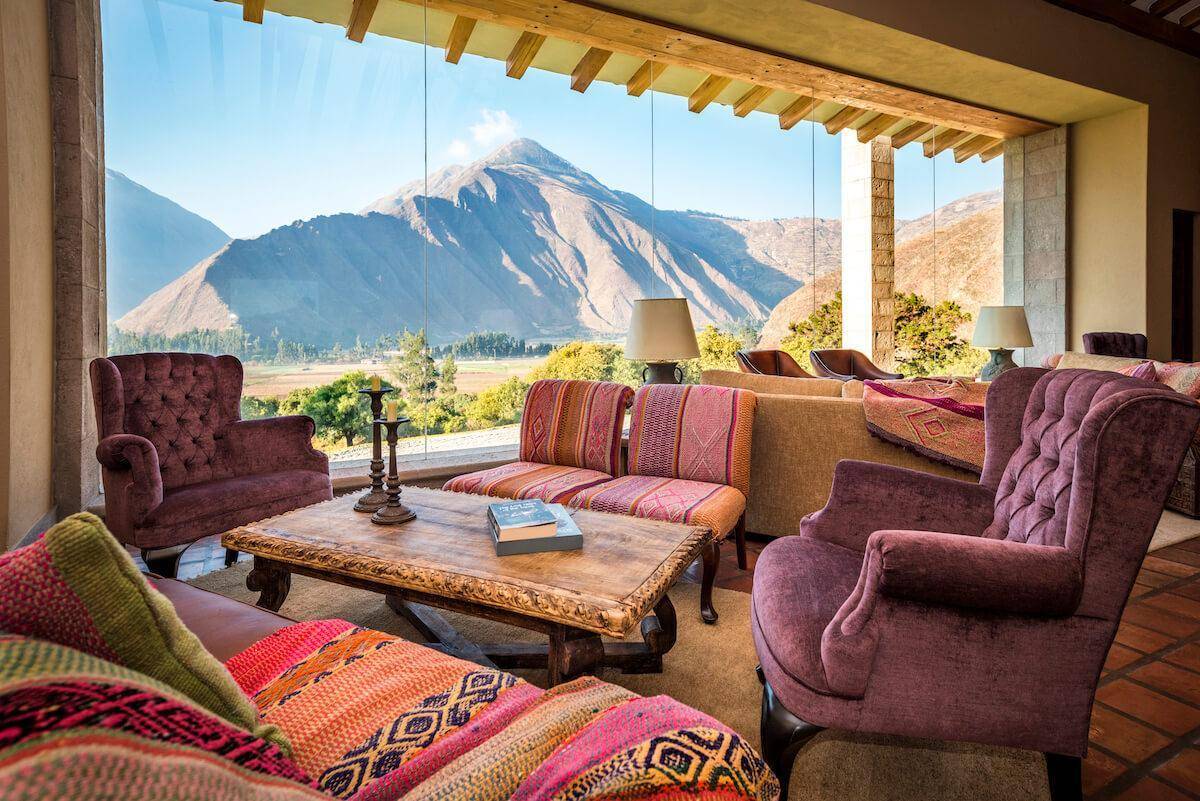
Travelers will seek meaningful experiences to learn and reconnect with nature and local cultures. There will be a need for solitude, a very scarce commodity these days, and a commitment to positive social and environmental development. Special experiences and experiences will be at the forefront, many of which are already being promoted by Inkaterra, for example bird watching, local gastronomy or academic tourism.
Blessed with exceptional biodiversity and 55 centuries of history, Peru has everything to fulfill the yearnings that move the travel community.
What sustainable vision do you have for the future of your hotel?
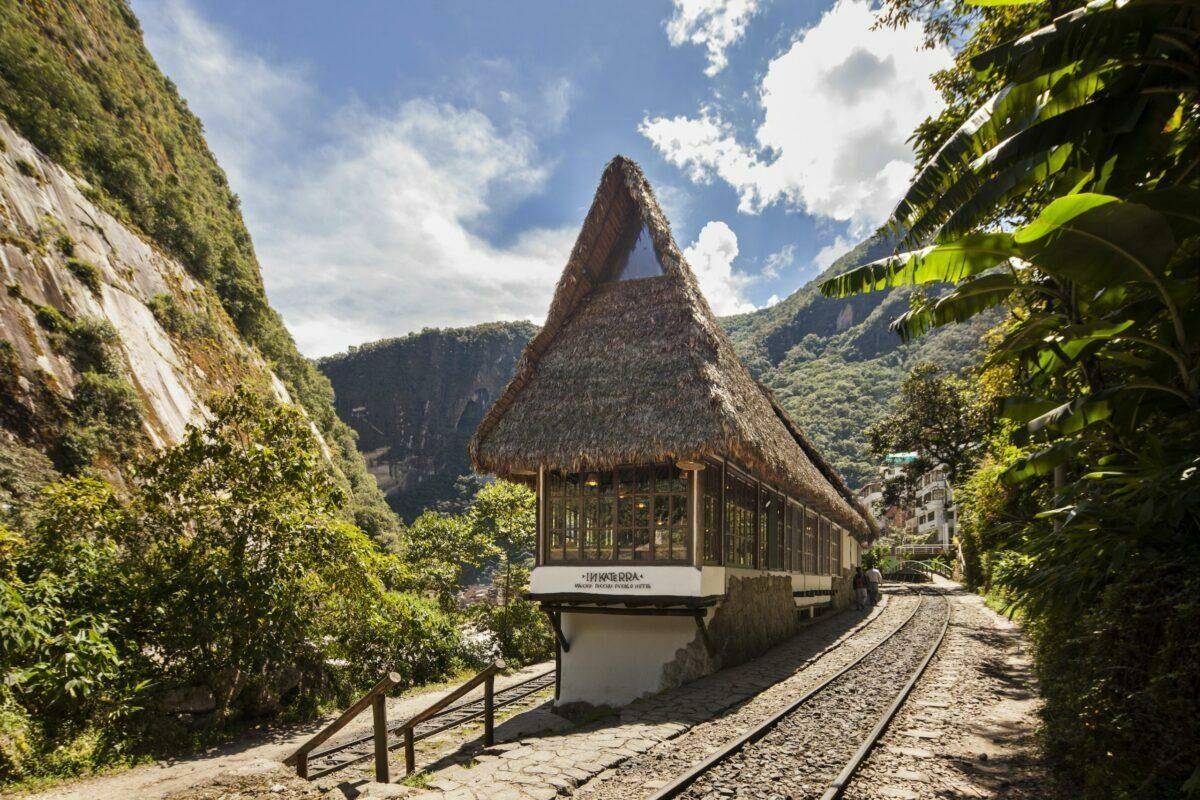
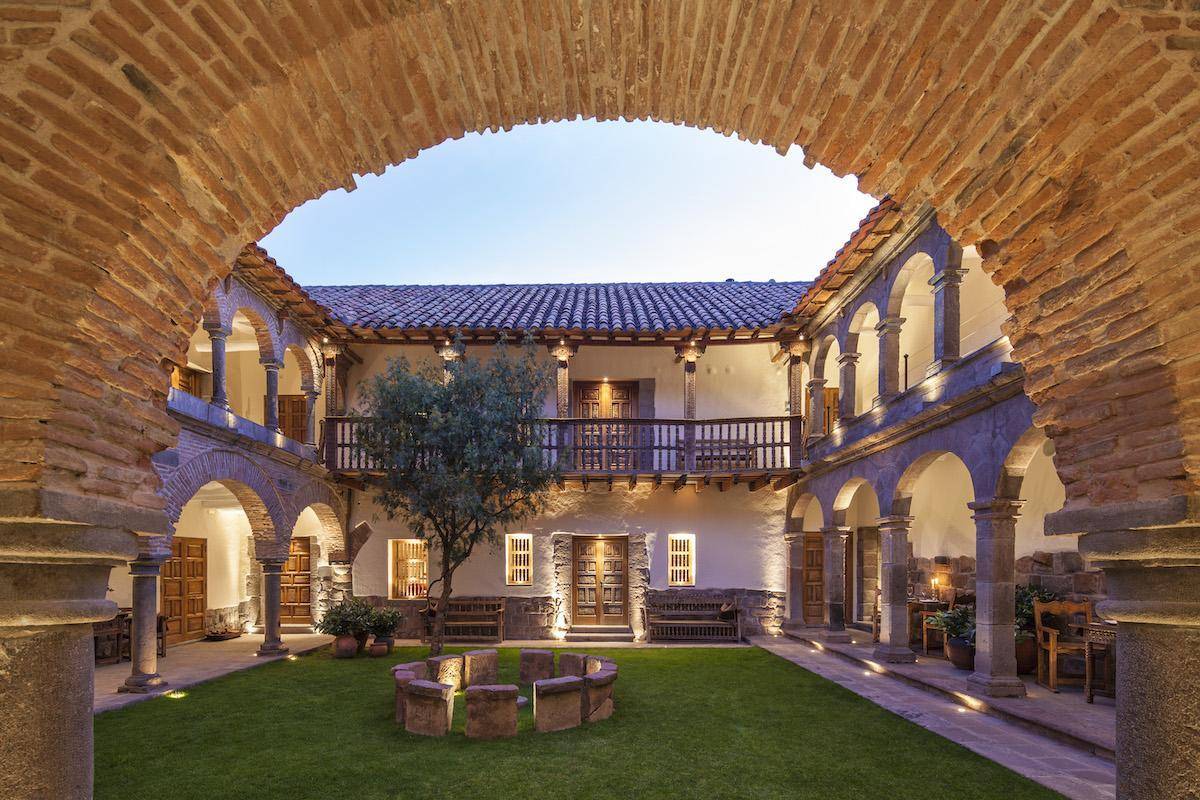
Since 1975, when we were pioneers of ecotourism in Peru, Inkaterra has had a culture of sustainability in its DNA. Sustainable development is the core of our business; ecotourism is the means to achieve our goal. The current context drives us to continue our commitment to scientific research as a basis for biodiversity conservation and the well-being of local communities. More than ever, we need to preserve our cultural and natural heritage for future generations.
For example, the NGO Inkaterra Asociación has formed a strategic alliance with the multinational beverage company AJE Group, the Green Initiative, and Machu Picchu City Hall to make the Machu Picchu site the first Co2 neutral wonder of the world – a replicable model of a circular economy through sustainable management of nearly all solid waste.
In addition, our joint venture with the Smithsonian Institution aims to restore genetic connectivity within the Madre de Dios rainforest in the southeastern Amazon of Peru through an 84,000-hectare sustainable landscape corridor from the lower Madre de Dios River to the Peru-Bolivia border. An initiative to mitigate the impact of illegal mining through reforestation and create new sustainable sources of income for the benefit of local communities.
Here you can read the first part: Good prospects for sustainable tourism
DO YOU LIKE THIS ARTICLE? SHARE IT!


1 thought on “Good prospects for sustainable tourism – Part 2”