
Yesterday, the Thai inhabitants said goodbye to their late King Bhumibol Adulyadej with a festive ceremony. The Thais mourned for a long time. It took one whole year for them to pay their respects and thankfulness to their former King.
So-called “Royal Projects” were one of many reasons for Bhumibol’s popularity: with these projects, the King and his family, stood up for the sustainable development of Thailand – always for the benefit of their people. Today, we want to take you on a tour through the country and will present some of these Royal Projects.
Back to the roots
One of the oldest Royal Projects is the Royal Agricultural Station Angkhangin Chiang Mai. Since the founding through King Bhumibol in 1969, the research center is home to many studies that try to find out which plants are the perfect fit for local cultivation. The main goal was to decrease the opium plantations in order to make traditional agriculture profitable for local farmers again. Also, farmers can look for help within the research center, when they want to expand their agricultural knowledge. And even tourists and visitors are able to experience many things here since you can learn a lot about the cultures and traditions of local communities.
Reforestation in the “Golden Triangle”
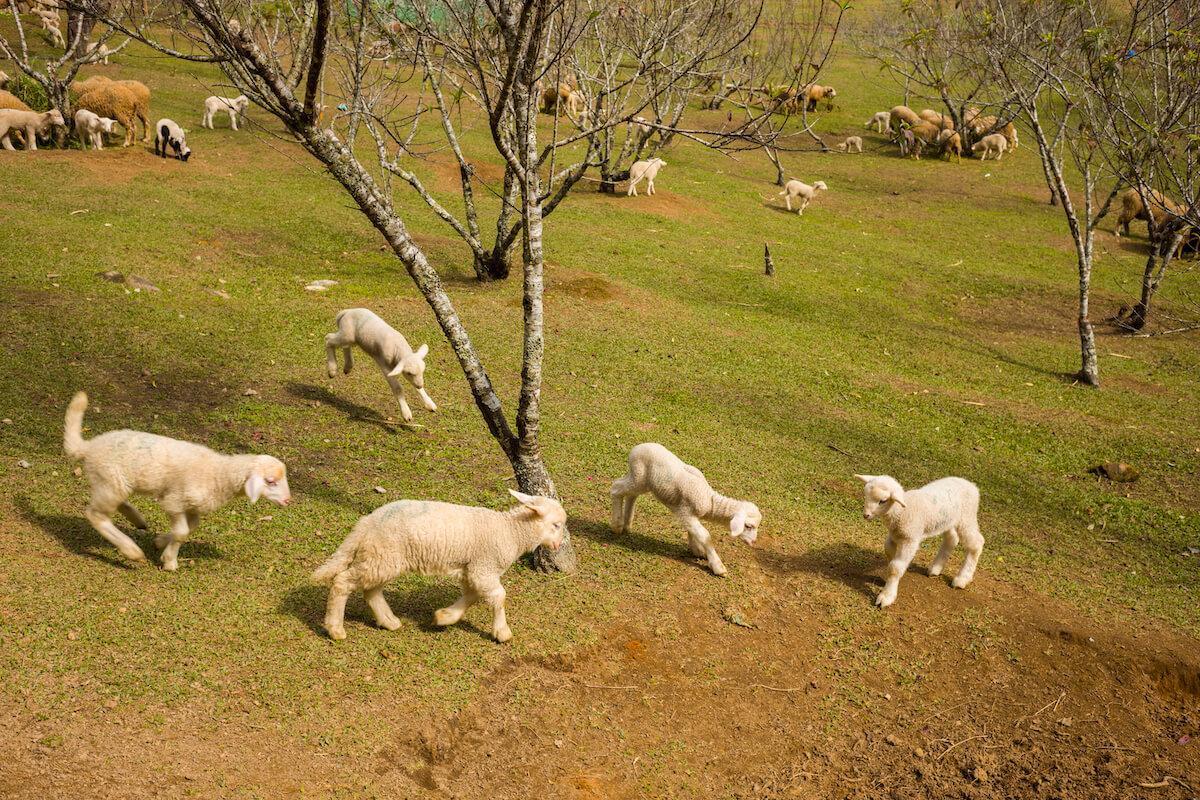
Even the King’s mother, Princess Srinagarindra, used to stand up for the country. During her search for a peaceful place to spend her retirement in, she came across the mountain region of Chiang Rai. She did not only find perfect climatical conditions for her health on mountain Doi Tung but also a new task: Srinagarindra wanted to fight the poverty of the people in this region and also stop the progressing deforestation. In 1989 the Doi Tung Development Project started with reforestation, in 1990 the first vocational training centers opened their doors, to give local residents a well-founded education in sewing, weaving and producing paper from mulberries. That way, they could care for themselves, without having to resort to opium cultivation or the logging of forests. That being said, you shouldn’t miss out on taking a walk through the beautifully arranged gardens or visiting the Doi Tung Royal Villa.
A heart for elephants
More than 50 Asian elephants live in the Thai Elephant Conservation Center (TECC) near Chiang Mai today. The center has an elephant clinic and takes care of research, species protection and information about the animals. Furthermore, the state’s own elephant camp is mostly visited by Thai families and school kids thanks to the intentionally low entrance fees. But it shouldn’t be missing on your list of activities either. Watching the elephants and their little ones while they bathe and play is a true highlight.
Read more: A heart for animals: Thailand’s first elephant hospital in Lampang
Experimental organic agriculture
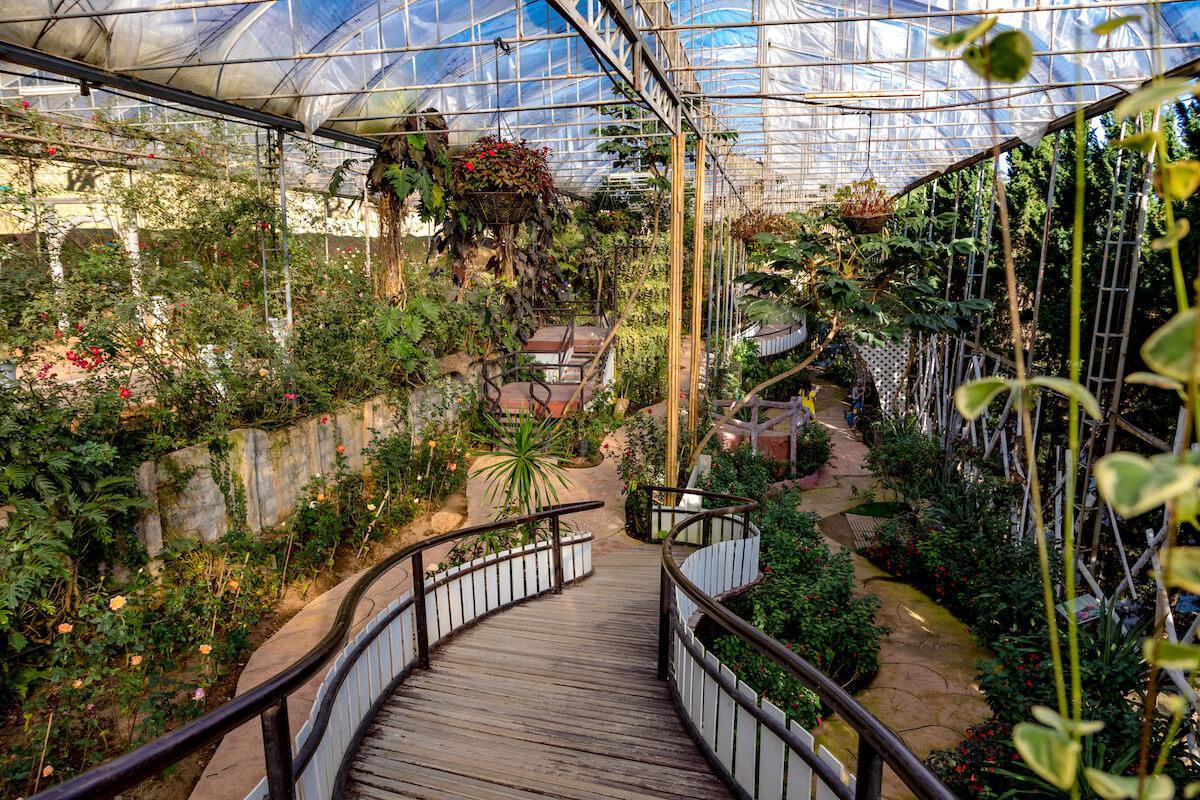
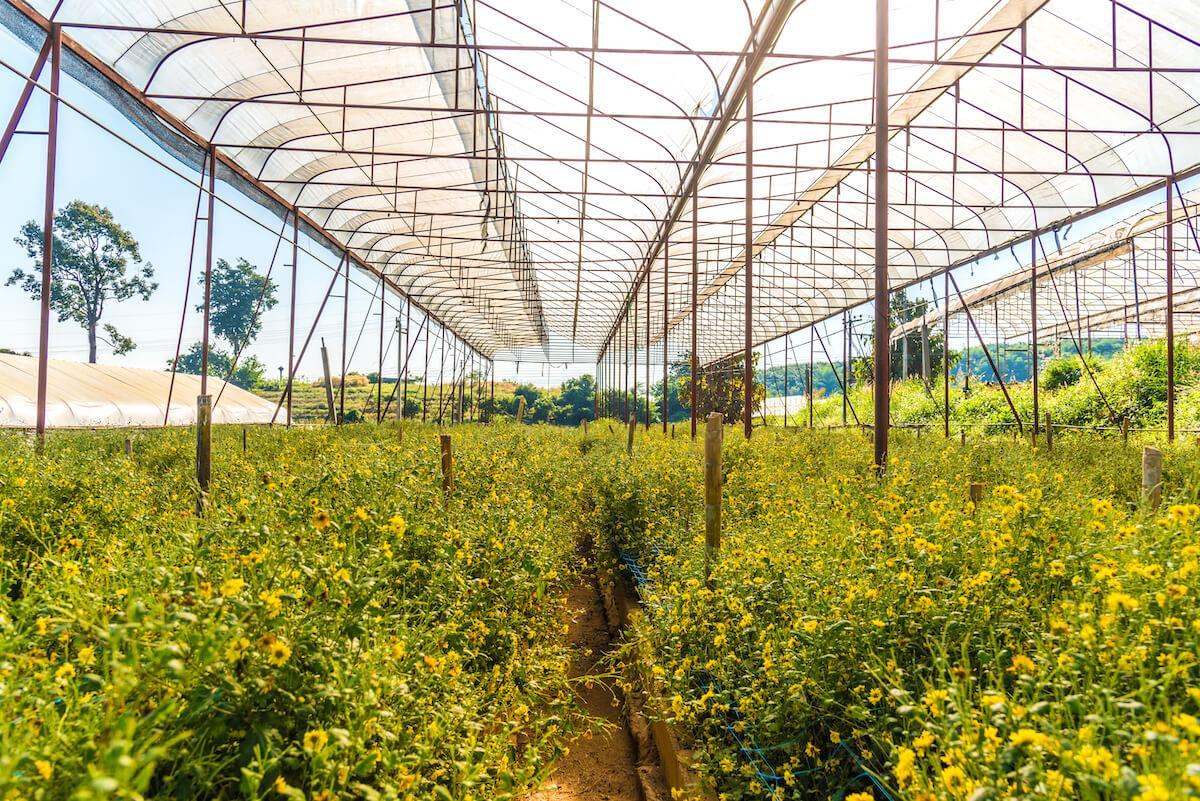
One of the youngest Royal Projects is also worth a trip. On the Chang Hua Man farm in Phetchburi that was founded in 2009, various crop plants are being cultivated and tested – completely organic and without the usage of chemicals. Not only local people are supposed to benefit from these results, but also farmers all across the country. The efforts concerning environmental protection and sustainability are constantly being expanded. For example, meanwhile, the project is powered by its own wind park. You can explore the farm by bus or go on an individual adventure by bike while learning a lot about ecological agriculture on your way. Last but not least, you can also get to know some cool facts about king Bhumibol Adulyadej if you visit the wooden mansion, the king used to live in during his visits.


1 thought on “Crops instead of Opium – the Royal Projects in Thailand”